One of the most common questions we get asked by aspiring artists is: “How hard is permanent makeup to learn?” We’re certified cosmetic tattoo artists and trainers with over 15 years of hands-on experience — and we’ve trained in both Europe and Australia. At Cosmetic Tattoo Studio Melbourne Face Figurati, we’ve taught hundreds of students from first strokes to studio success. So let’s get real and answer you honestly.
The First Steps Feel Big — Because They Are
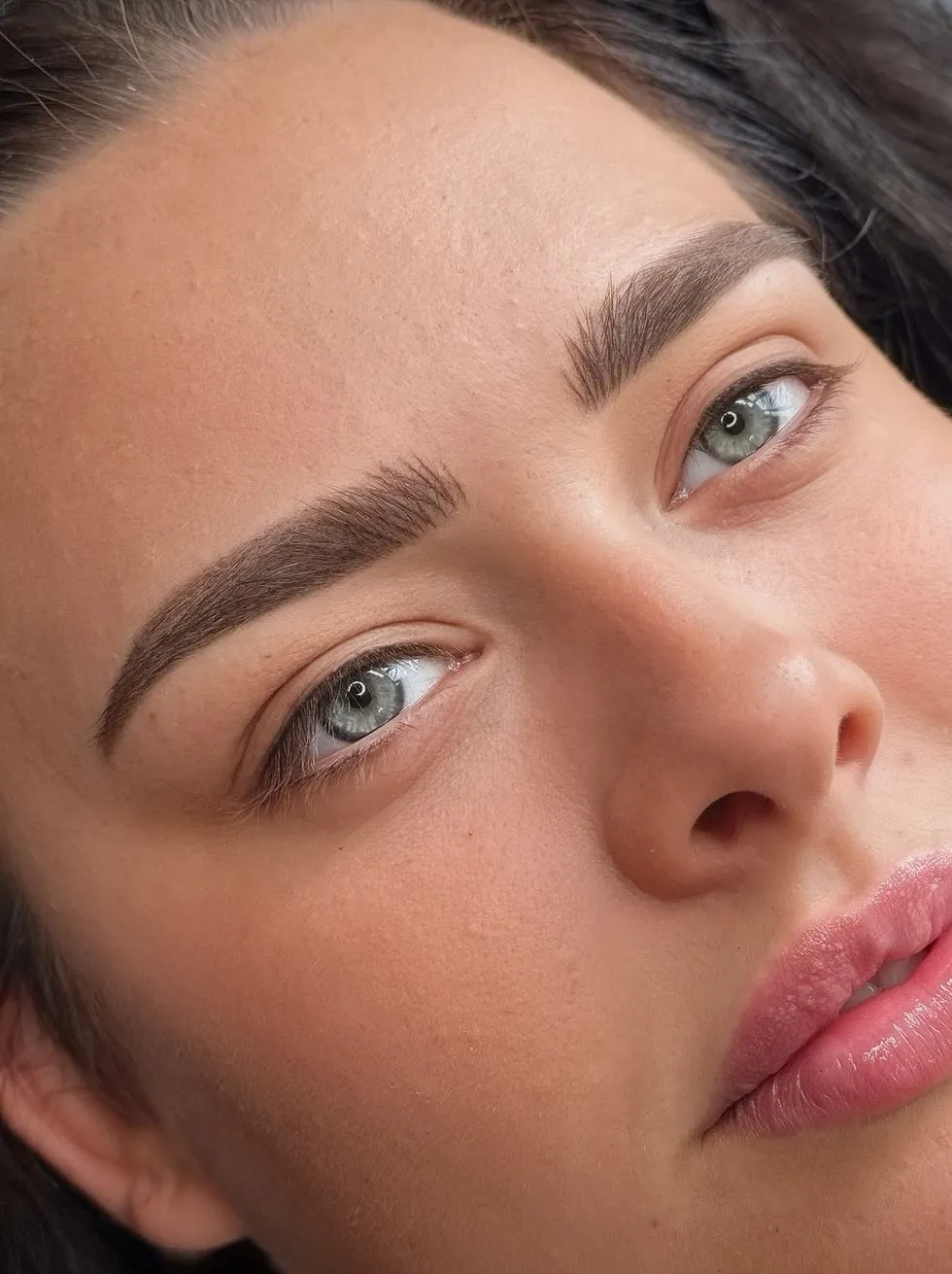
When you first start, everything feels a bit overwhelming. Machines, needles, pigment lines, skin types, client expectations — there’s a lot to take in. And that’s because cosmetic tattooing isn’t a weekend hobby. It’s a precision-based, skin-deep, semi-permanent cosmetic procedure that requires real commitment.
But if you love beauty, have a steady hand and care about client results, you’re off to a good start.
We always say: learning cosmetic tattoo treatments is like learning to drive — theory helps, but nothing beats being behind the wheel.
Core Skills You’ll Need to Master
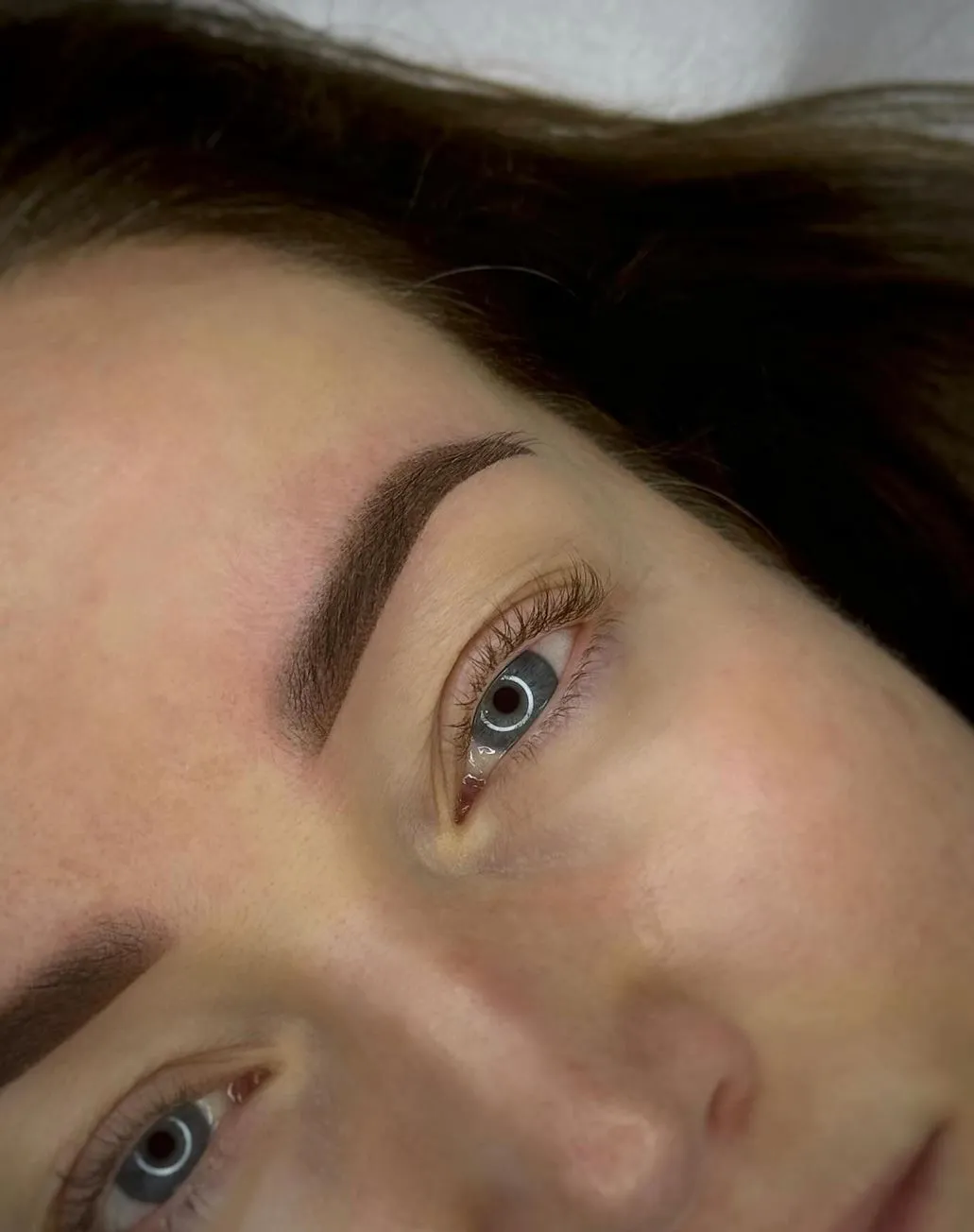
Permanent makeup training isn’t just about drawing nice brows. It’s a combination of artistic ability, technical skills, skin knowledge and hygiene control. Here’s what you’ll actually need to get the hang of:
- Skin anatomy — especially layers, healing responses and contraindications
- Colour theory — for undertones, pigment mixing and how shades heal
- Machine control — from pressure to speed to stroke techniques
- Face mapping and symmetry — using callipers, string and your own eye
- Client communication — explaining risks, results and aftercare
- Infection control — following council regulations and hygiene standards
If you’re only being taught how to trace a stencil and fill it in — run. That’s not training. That’s a TikTok tutorial.
How Long Does It Really Take to Get Confident?
This is where most people get tripped up. You might finish a 5-day beginner course and think, “Okay, I’m ready to take clients now.” But the reality? Most students take 6–12 months of consistent practice to start producing good results.
We’ve seen students do 20–30 models before feeling even remotely ready to charge full price. And that’s normal.
The timeline varies depending on:
- Your natural drawing ability
- How often do you practice on latex and models
- The quality of your training courses and mentorship
- How well you understand skin and pigment behaviour
At Cosmetic Tattoo Studio Melbourne Face Figurati, we always remind new artists: permanent makeup is a profession, not a shortcut. Take your time — your future clients deserve it.
Our Own Learning Curve
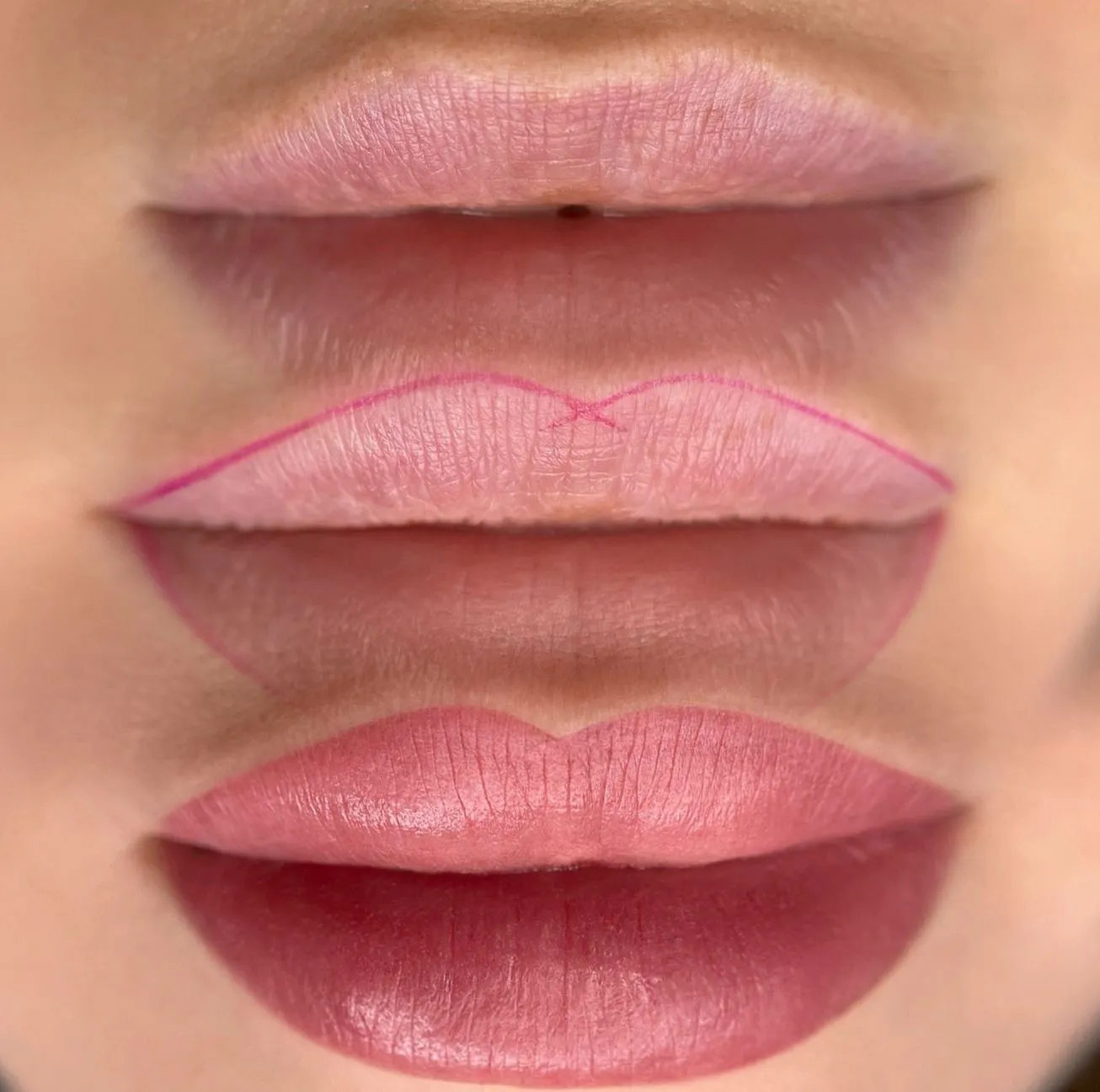
When we first started, the industry wasn’t as regulated or transparent as it is now. There were fewer high-quality machines, dodgy pigments that healed grey or orange and a lot of hush-hush around correcting botched work.
We each made the classic beginner mistakes: working too deeply, choosing the wrong colour or not educating clients properly on healing.
If we could go back and tell our younger artist selves one thing, it’d be: slow down, learn skin and stop trying to chase Instagram-perfect brows. Healed work is what matters.
Common Mistakes That Make Learning Harder
If you’re struggling in your training journey, it might not be your fault. These are the most common things that trip students up:
- Rushed training courses — You can’t learn four services in four days. Full stop.
- No supervised practice — You need feedback from experienced master artists while you’re still developing muscle memory.
- Using cheap machines — Inconsistent power and needle bounce make learning harder.
- Skipping latex practice — Practising line work is like going to the gym: repetition builds control.
- Ignoring healed results — Your day-of photo isn’t the final result. Always track healing.
And the biggest one? Not asking for help. If you’re unsure about pigment retention, technique or healed results — reach out. Get mentorship. Join forums. Pop by a reputable studio.
Melbourne-Specific Rules and Reality
Here in Melbourne, cosmetic tattoo artists need to follow Queensland Health regulations, which are:
- Infection Control Certificate (HLTINFCOV001 or equivalent)
- Council approved premises with a proper sink and waste setup
- Sterilisation, PPE and disposal procedures
The good news is Melbourne’s climate is great for pigment retention – not too dry, not too oily. But we do warn clients about high humidity during healing, as excessive sweating can affect results.
Tools, Products and What We Use in the Studio
We get asked this all the time, so here’s a sneak peek at what we use daily at Cosmetic Tattoo Studio Melbourne Face Figurati:
| Category | Our Picks | Why We Love Them |
|---|---|---|
| Machines | PMU Pen (Dragonhawk Mast, FK Irons Bellar) | Smooth vibration, precision control |
| Pigments | Perma Blend Luxe, Tina Davies, Li Pigments | Stable, fade-resistant, range of skin-safe tones |
| Needles | 1RL, 3RL, nano | Crisp hair strokes, low trauma |
| Aftercare | Balm from Brow Daddy, sterile saline, Tegaderm | Speeds up healing, reduces infection risk |
We also provide clients with aftercare kits that include sterile wipes, healing balm and written instructions — because healing affects your final result just as much as the actual procedure.
Real Talk: Who Struggles Most When Learning?
We’ve trained students from all walks of life. Here’s who tends to struggle more:
- People with zero drawing or design background
- Students who aren’t detail-oriented or get bored easily
- Those who expect instant gratification (spoiler: skin doesn’t work that way)
- Anyone afraid to ask questions or make mistakes
On the flip side, here’s who thrives:
- Beauty therapists and brow artists with skin experience
- Tattoo artists switching to PMU with machine confidence
- People who are naturally patient and practice consistently
It’s not about age, followers or having the latest iPhone. It’s about skill, humility and time on the needle.
Healing and Model Feedback: The Real Teacher
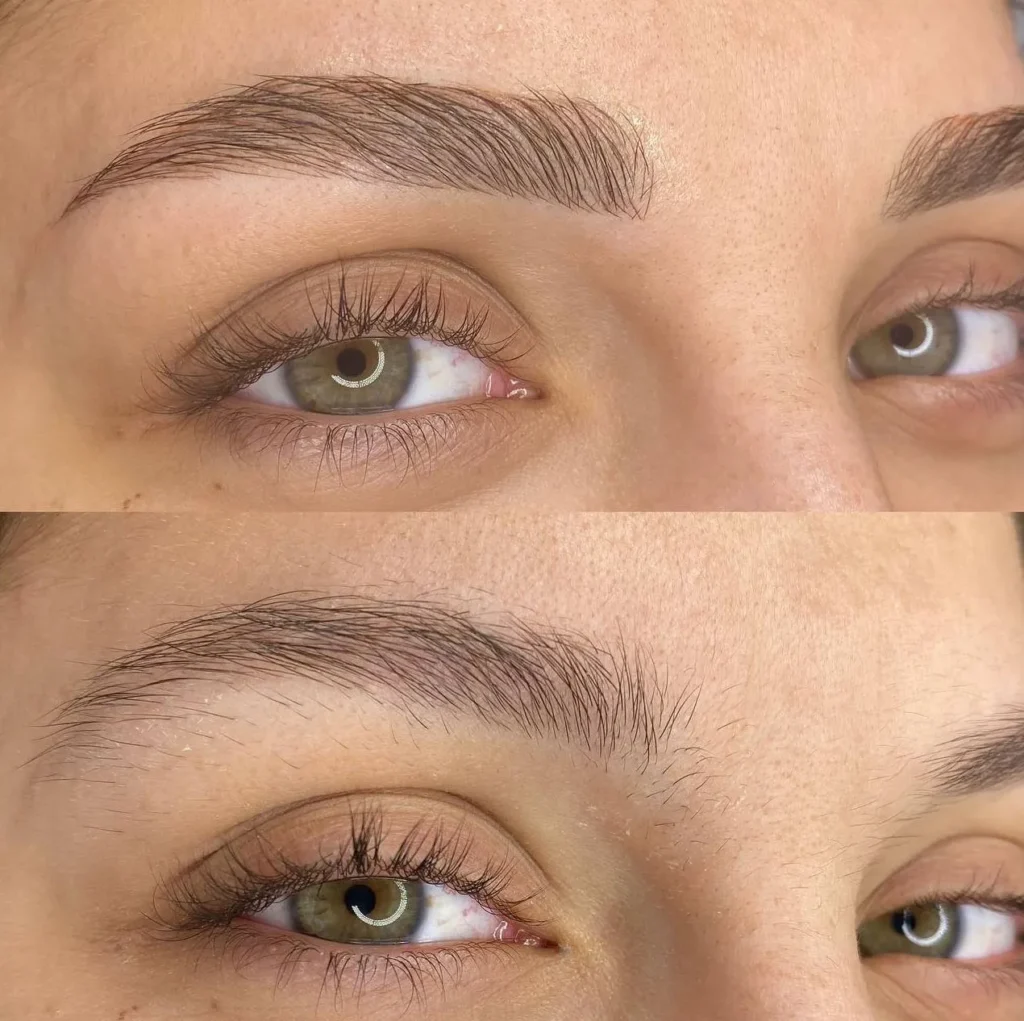
There’s no better teacher than healed results and honest feedback. We always recommend students check in with models 4–6 weeks after their session, ask for clear photos and analyse what worked (and what didn’t):
- Did the pigment hold?
- Was the shape still flattering once healed?
- Any patchiness or blowout?
- Would you change anything at the touch-up?
Tracking 10+ models like this will teach you more than any online course. Bonus points if you compile it in a training manual or portfolio to review your progress.
Is PMU Hard to Learn? Yes. Is It Worth It? Absolutely.
So — how hard is it to learn permanent makeup? The short answer: Hard enough that not everyone sticks with it, but doable if you treat it like a real craft.
At Cosmetic Tattoo Studio Melbourne Face Figurati, we’ve built our careers on permanent makeup, and it’s been one of the most rewarding decisions of our lives. We’ve cried over wobbly hair strokes, wrestled with oily skin retention and spent weekends correcting old blue brows. But we’ve also helped clients feel confident after chemo, saved people years of brow pencils and built careers doing work we love.
You don’t need to be perfect. You just need to be committed.
From Two Artists Who’ve Been There
If you want to be a permanent makeup artist, start slow, ask questions, invest in good microblading training, eyeliner tattoo techniques, lip blush tattoo fundamentals and track your healed results like you would gold. Whether you’re into scar camouflage, nano brows or lash enhancements — treat it like the professional skin service it is.
Not sure if you’re ready to start? Come visit Cosmetic Tattoo Studio Melbourne Face Figurati and have a chat. We’ll give you the real deal — no fluff, no filters.
FAQ
Can I do permanent makeup if I can’t draw?
Yes, but it’ll take longer. Spend more time on face shapes, proportion and basic drawing. Mapping tools help, but your eye needs training.
How much do training courses cost in Melbourne?
$3,000–$8,000 for good quality beginner training. Courses with live models, mentorship and hands-on assessment are worth it.
Do I need a licence to practice as a permanent makeup artist?
Yes. Queensland Health requires registration as a skin penetration business and adherence to infection control regulations.
How long does it take to make a full-time income as a PMU artist?
Depends on your pricing, marketing and retention. Many artists start part-time and go full-time within 12–24 months.
What if I mess up a client’s brows?
It happens. Own it, fix it and learn. Most clients appreciate honesty and correction over defensiveness.