Wildlife to See (and Respect) Near Uluru isn’t just about ticking off kangaroos — it’s about walking into a living desert that hums with stories, survival and life. The first time I rolled into the Red Centre with the Uluru Ayers Rock Tours crew, I thought I knew the Outback. Turns out the desert has a few secrets of its own.
You’ll hear the spinifex whisper before you see the movement — a sand goanna darting past, a dingo padding along the track or a wedge-tailed eagle tracing lazy circles above the horizon. Every corner of this landscape tells a story if you slow down long enough to listen.
Red Centre Creatures
There’s more to the Northern Territory’s interior than red dust and flies. This land is alive — resilient, weird and often beautifully adapted to its surroundings.
Out here, ecological systems have evolved over tens of thousands of years, shaped by fire, drought and the seasons’ rhythms. You might see:
- Perentie lizards, the biggest of Australia’s goannas, are soaking up the morning sun on a rock formation.
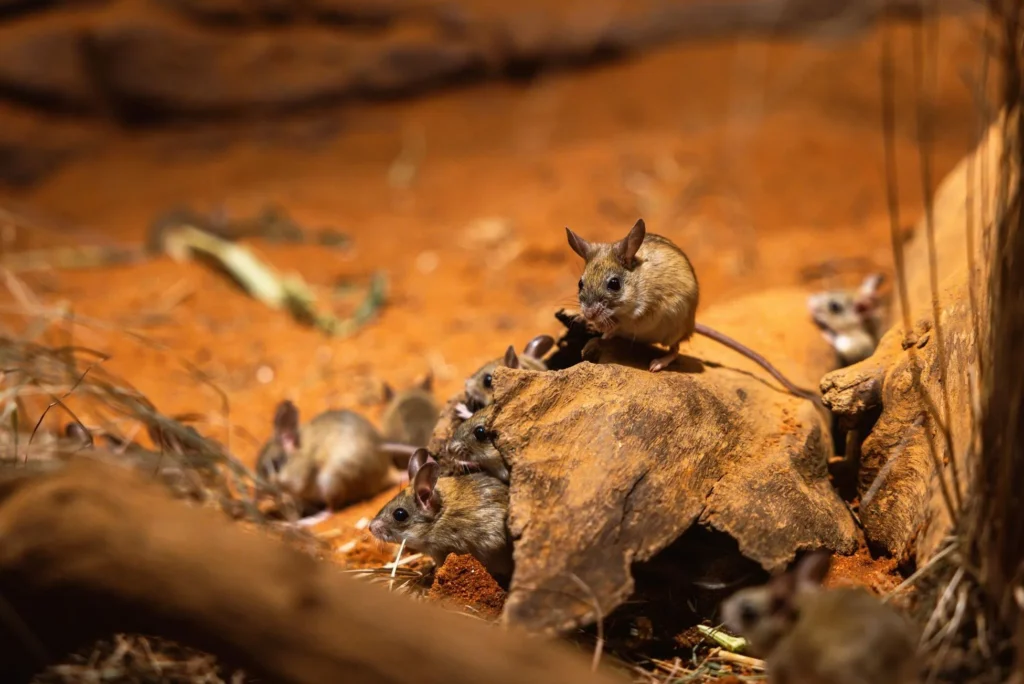
- Spinifex hopping mice, darting through the desert bush under a black as coal sky.
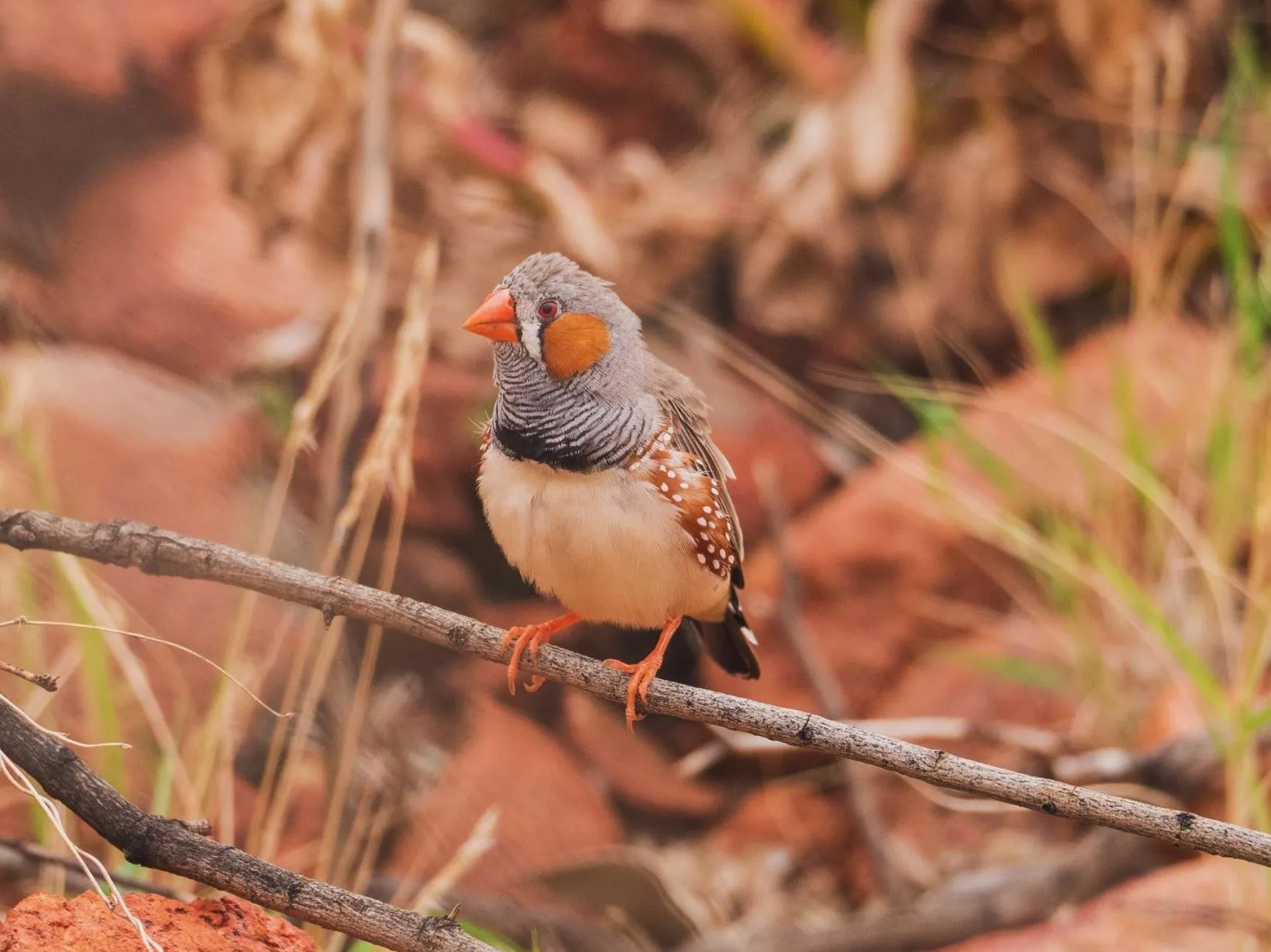
- Zebra finches and budgies, flitting in clouds near waterholes after summer storms.
- Thorny devils, tiny armoured reptiles that drink dew from their spiky skin.
Most visitors to Uluru are surprised by how much wildlife there is here. If you join one of the Uluru Tours, local guides will help you spot the little things you’d otherwise miss — the ant trails, the burrows, the footprints in the dunes.
Birds, Dingoes and Desert Royalty
Uluru–Kata Tjuta National Park is home to over 170 bird species and around 25 native mammal species, according to Parks Australia data. You’ll hear before you see — the crow’s laugh, or the galahs flapping against the orange cliffs.
Here’s a quick guide to who’s who out there:
| Species | Where You’ll Find Them | Pro Tip for Spotting |
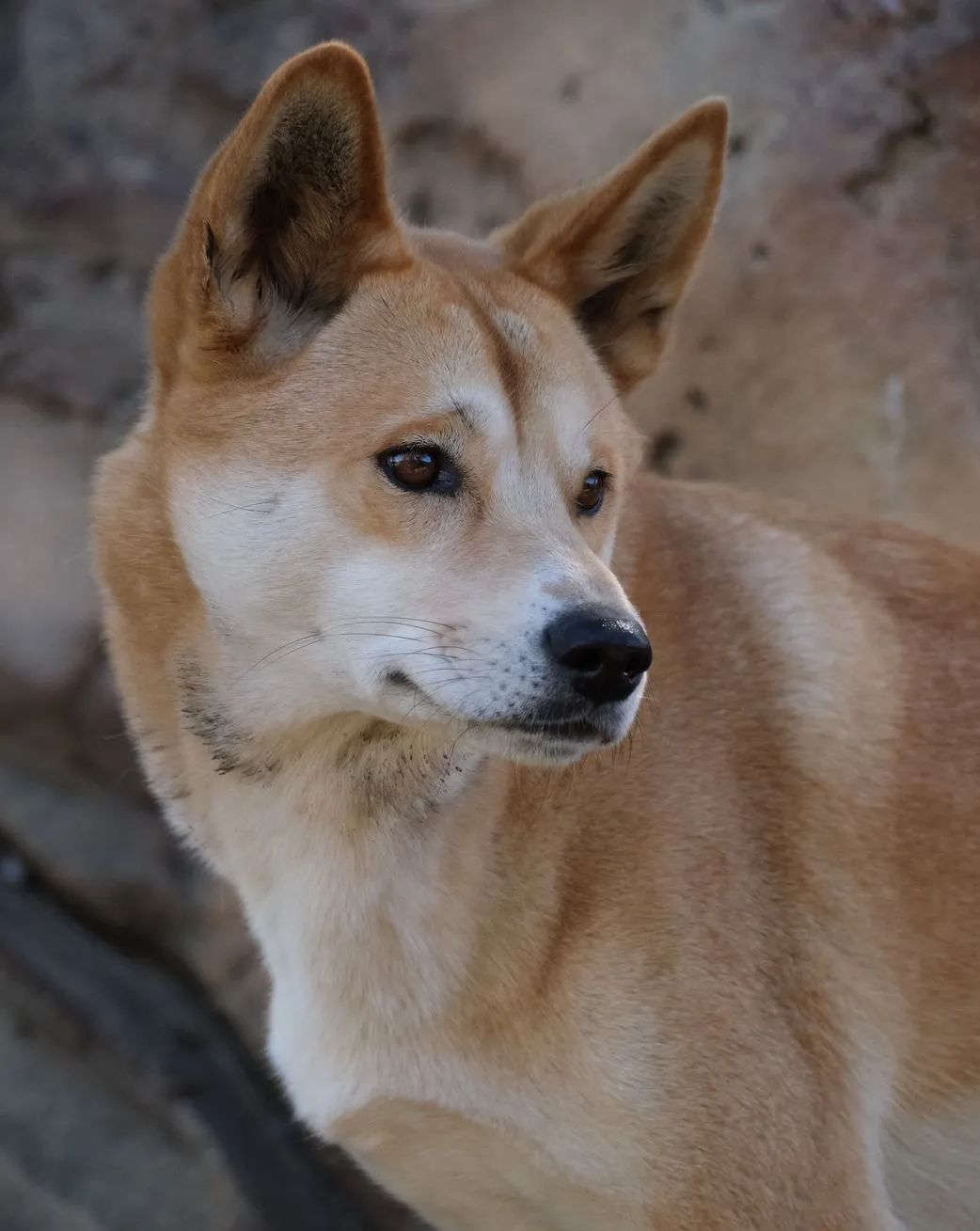
| Dingo | Early morning near carparks and dunes | Stay inside vehicles; never feed them |
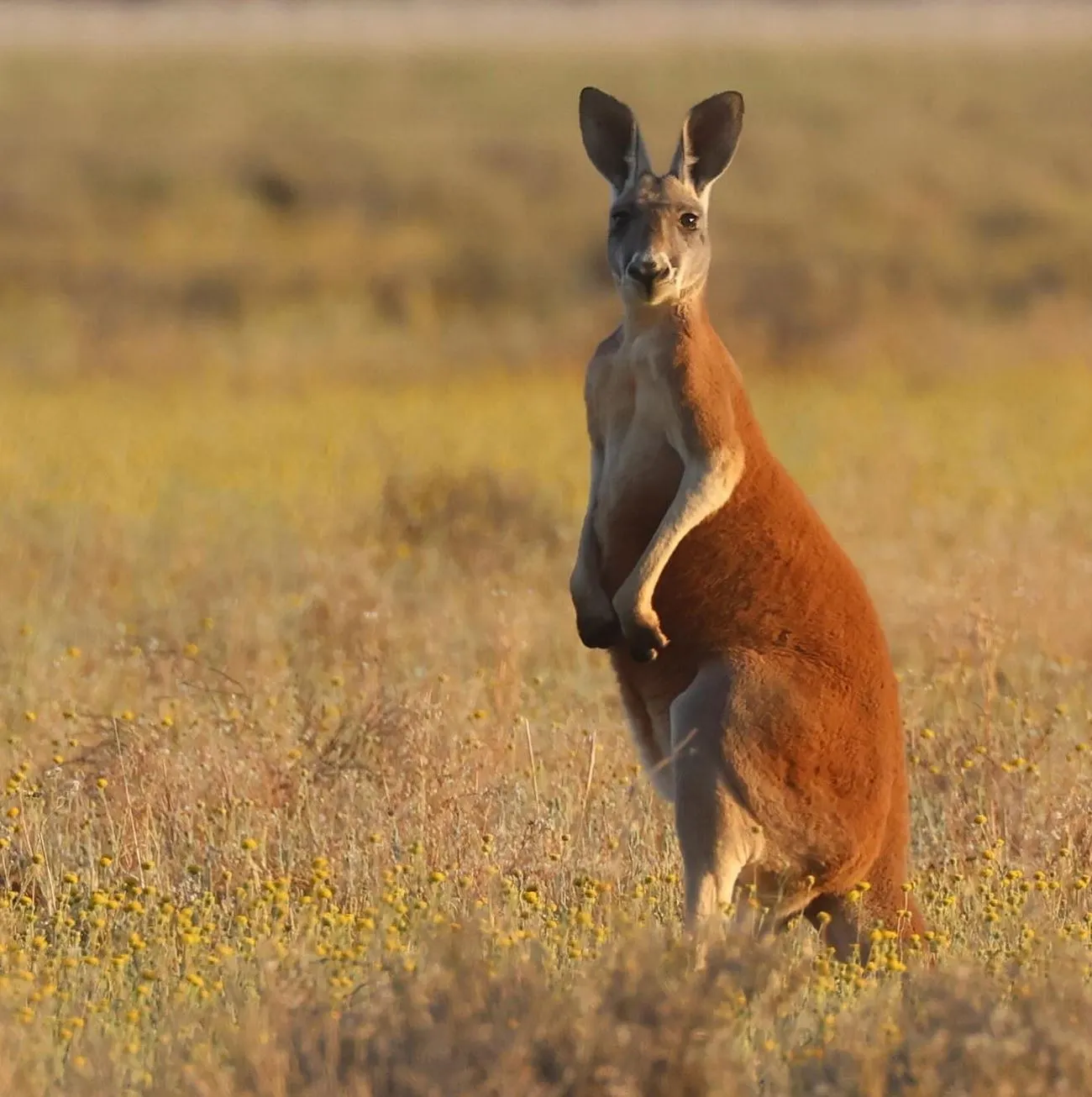
| Red kangaroo | Around open plains at dusk | Watch near waterholes on scenic drives |
| Wedge-tailed eagle | Soaring above rock formations | Look up when you see thermals rising |
| Major Mitchell’s cockatoo | Among native plant species near Mutitjulu Waterhole | Listen for loud calls at dawn |
| Thorny devil | On desert bush tracks | Move slowly — they blend in perfectly |
If you find yourself on one of those shuttle bus tours between lookouts, you should probably keep your camera handy. Wildlife tends to cross the roads in the cooler parts of the day, and it’s not at all unheard of to see wallabies sprinting along the side of the road.
Rock Arts, Ancient Tracks, and Cultural Layers
Before you start snapping away at anything and everything that moves, it’s worth having a bit of a think about it. Indigenous culture and the rock art around Uluru tell a lot deeper stories about the relationship between people and animals in this region. For the Anangu, the Traditional Owners, the wildlife isn’t just something pretty to look at – it’s kin and teachers.
Certain areas around Uluru are closed for cultural reasons, so just stick to the marked paths and follow local guidance. The rock shelters, etched with rock art, feature emus, wallabies, and ancestral beings—each part of a special map of survival and story.
When you’re travelling with guides who know what they’re doing from Uluru Ayers Rock Tours, you can expect to hear Dreaming stories that explain how certain animals helped shape the contours of this land, and how sustainable tourism can help protect both the stories and the species.
How to See Wildlife, the Right Way
This place isn’t a zoo, and that’s exactly what makes it so special. If you want to see the desert in all its true character, you have to respect its rhythms.
Here’s how to do it the right way:
- Stay on track: If you wander off from the path, you can damage some pretty fragile native plants and animal habitats.
- Travel quietly: Being quiet is actually a key to getting some better sightings. Wildlife hears before it sees, after all.
- No feeding: Even if a dingo looks like it’s starving, your muesli bar isn’t on the menu – no matter how hungry it may look.
- Leave no trace: All the usual rubbish, noise, and drones can do a real number on the ecological systems here.
- Book with a local: Choosing one of the more ethical operators, like Uluru Ayers Rock Tours, means you can be sure that Traditional Owners are getting something out of tourism and that the land is being protected.
Every single tour, whether it’s a guided walk or one of the Uluru Tours at sunrise, is about helping people understand the balance between curiosity and caution.
Night Safaris and Scenic Flights
When the sun sets and the desert starts to chill, Uluru gets a whole different vibe. You’ll start to notice movement out of the edge of the campfire – that’s when the magic of the night safari really starts to kick in.
Nocturnal guided experiences are a great way to spot species that most tourists never even see – like that elusive bilby, desert possums, or even the occasional owl swooping in low. The guides use red torches, which help preserve your night vision and keep the animals as calm as possible—just about the most respectful way to experience the region’s hidden life.
If you fancy a bird’s-eye view of things, you could always book a scenic flight or even one of the newer helicopter flights over the Red Centre. From up high, you can spot wild camel herds, the tracks of dingoes, and the patchwork of desert blooms after some rain. Just be ready for your jaw to drop – and yeah, you’ll probably want to keep your camera strap tight.
The Desert Bush and Its Quiet Keepers
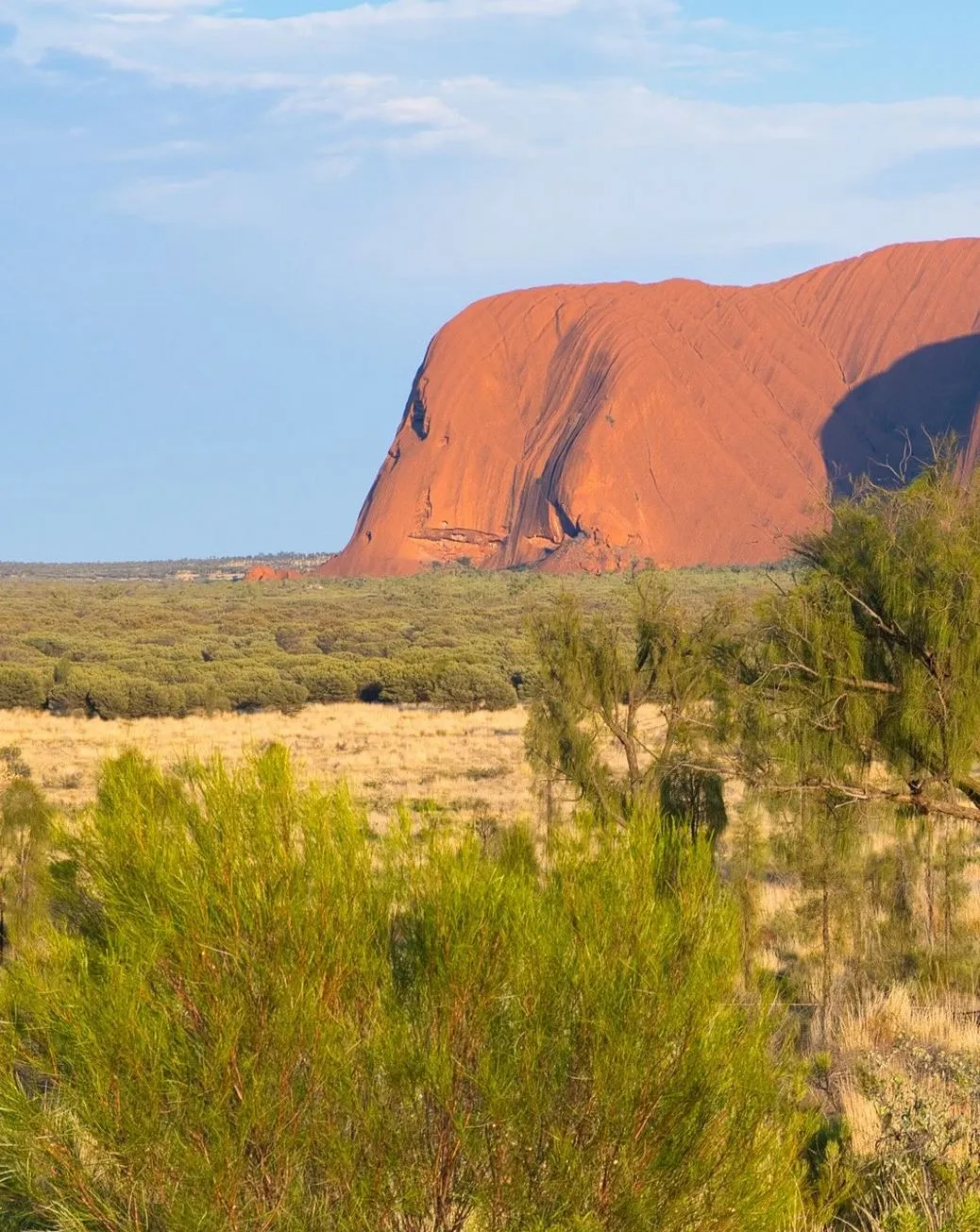
It’s easy to forget that wildlife here isn’t just animals — it’s plants too. Every tuft of desert bush tells a survival story. From hardy wattles that store water in their roots to the vibrant grevilleas that feed honey eaters, native plant species are the backbone of this ecosystem.
I’ve watched travellers stop mid-track, awestruck by the sudden scent of wildflowers after a storm. That fleeting bloom — maybe three days at best — is a reminder that life here runs on different terms.
Learning about these plants with a local guide or Uluru Tours isn’t just educational — it’s grounding. You start to see how everything connects: plants feed insects, insects feed reptiles, and reptiles feed birds. Break one link and the whole ecological system wobbles.
Weather, Seasons, and Survival
The Red Centre swings between extremes — hot days and cold nights. Wildlife here adapts through timing and tenacity. During the wet season (November to March), the desert bursts into green and birds arrive in droves. In the dry season, most activity happens at dawn and dusk when it’s bearable.
Visitors with Uluru Ayers Rock Tours often find sunrise and sunset walks the best times for wildlife encounters. The early light paints the rock formations gold, and the cool air coaxes animals out of their burrows.
Here’s a quick seasonal guide:
- March–May: Cooler days, active reptiles, fewer flies.
- June–August: Crisp mornings; perfect for walking tours and scenic flights.
- September–November: Bird migration and wildflowers.
- December–February: Hot as blazes — plan shorter walks or shuttle bus transfers between lookouts.
Why Sustainable Tourism Matters
It’s no secret that more visitors mean more pressure on fragile ecosystems. That’s why sustainable tourism at Uluru isn’t just a buzzword — it’s a responsibility.
Local operators work with Traditional Owners to manage visitor flow, reduce emissions and protect water sources. The national park’s recycling initiatives and limited-access zones are part of a broader push to keep the land healthy for generations.
When you travel with Uluru Ayers Rock Tours, you’re supporting programs that monitor wildlife, restore habitats and teach travellers to tread lightly. It’s tourism done right — practical, respectful and rooted in community.
Travel Reflection — The Heartbeat of the Desert
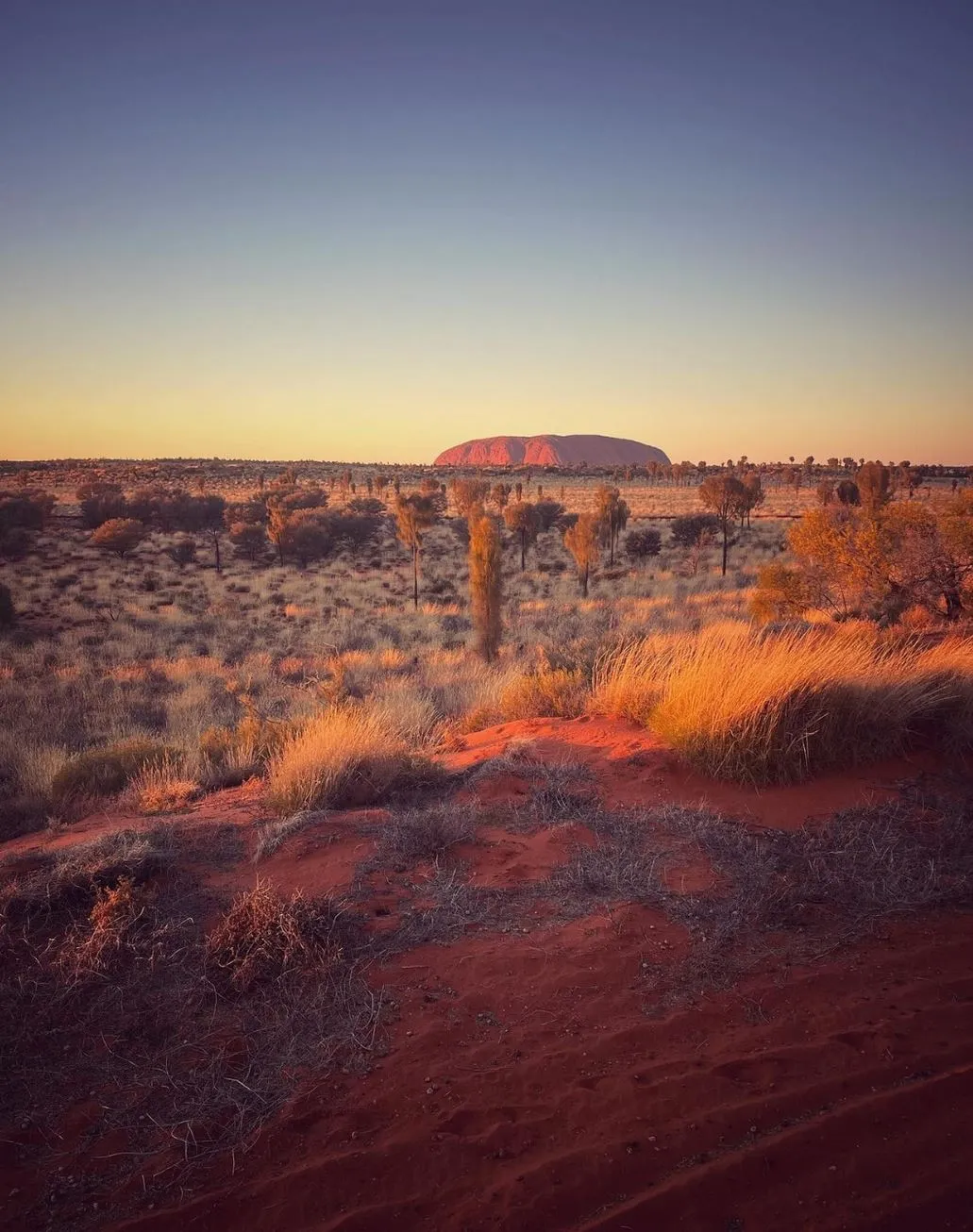
Standing in front of Uluru at dawn, watching the shadows slide across the sandstone, you realise this place isn’t empty — it’s full. Full of sound, movement, and meaning. Every dingo track, every rock formation, every whisper of wind through the spinifex is part of a living story.
As travellers, our job is simple: spot, listen, respect. Take the photos, sure — but take the lesson too. The desert gives plenty, if you leave it as you found it.
Got a yarn from your own Red Centre trip? Leave it in the comments — I’m always up for swapping stories for the next edition of our field notes.
FAQ
Can I see wildlife without joining a tour?
Yes, but joining guided Uluru Tours or Uluru Ayers Rock Tours increases your chances of seeing and understanding wildlife safely. Guides know the habits, hotspots and cultural sensitivities of the area.
Are there dangerous animals near Uluru?
Snakes and dingoes are the main risks, but incidents are rare. Stick to the paths, wear closed shoes and don’t approach or feed animals.
What’s the best time of day for wildlife spotting?
Dawn and dusk. The temperatures are cooler, and most animals are active. Midday is generally too hot for movement.
Can I photograph rock art around Uluru?
Some sites are culturally restricted. Always check the signs and follow Anangu guidelines. Many rock shelters with rock art are open for viewing but not for photography.
Is sustainable tourism actually enforced here?
Yes. Uluru–Kata Tjuta National Park enforces strict sustainability measures, including waste management, limited tour group sizes and eco-certified operators like Uluru Ayers Rock Tours.