So you’ve been wondering lately, “Are VR or simulation tools now used in eyebrow tattoo training?” — you’re not alone. As a cosmetic tattoo artist who’s been training and working in Melbourne for nearly a decade, I’ve seen how technology shapes our industry in waves. First came digital machines, then skin tone-matching pigments. Now? We’re entering the era of virtual brow training.
So, is it all hype? Or are these tools really lifting the bar in how future brow artists learn? Let’s break it down.
Simulated Training Isn’t Just for Pilots Anymore
Once upon a time, the idea of using VR in beauty training sounded a bit like science fiction. But just like pilots, surgeons, and first responders, brow artists are now stepping into simulated environments to hone their skills — and the trend is taking off.
Simulation tools for permanent makeup training can include:
- 3D anatomy models for facial structure
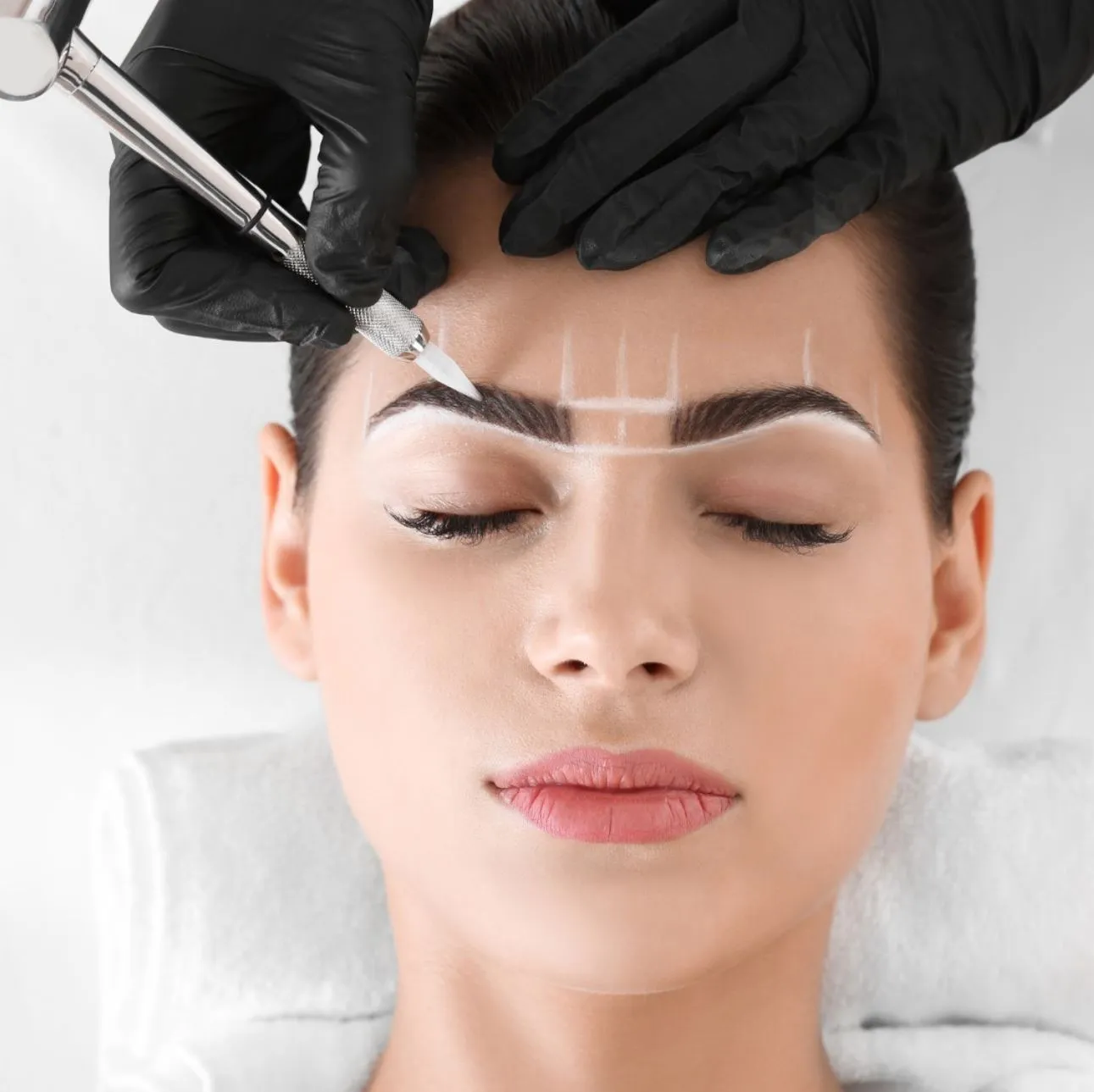
- Augmented reality overlays for brow mapping and eyebrow position
- Virtual practice skins that mimic different skin types, skin thickness and skin texture
Instead of replacing live models or Silicone Practice Skins, they’re designed to prep students before hands-on practice. Think of them as a digital warm-up that reduces real-world mistakes.
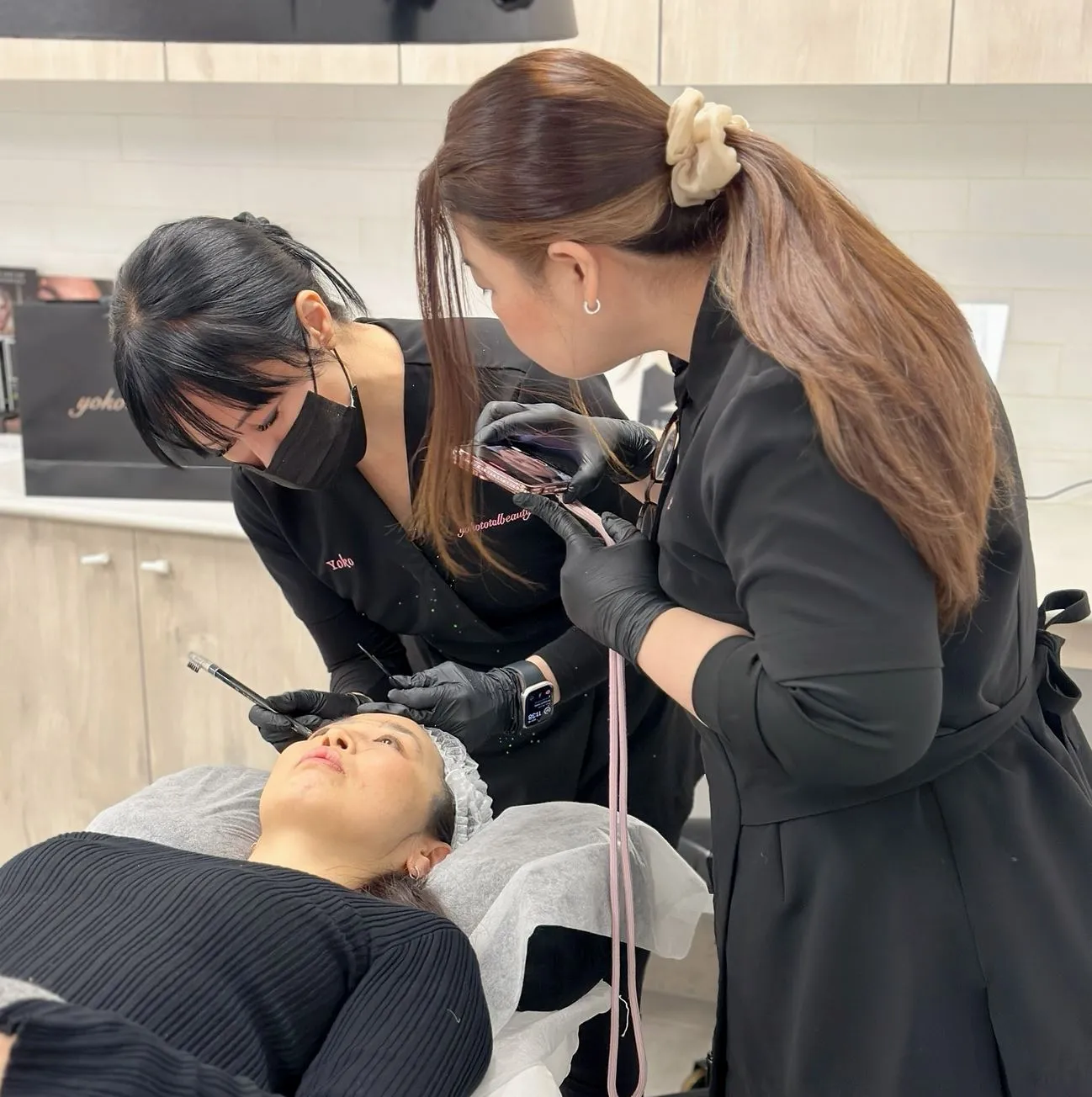
At Cosmetic Tattoo Studio Melbourne Face Figurati, we use simulation to supplement our core eyebrow tattoo course — giving students a confidence boost before the needle touches skin.
Why It Matters for Brow Training
In our Melbourne studio, we know weather, skin types and lifestyle habits vary wildly across clients. Local brow artists have to deal with humid summers, dry winters and everything in between. Simulation tools give students exposure to:
- Different Fitzpatrick skin tones and colour variations
- Textural changes in oily, dry or mature skin
- Eyebrow asymmetry, brow lamination patterns and scar camouflage challenges
This makes training far more comprehensive, especially in shorter courses where time is limited. At Face Figurati, we’re currently testing hybrid VR modules to help students understand real-life client scenarios faster and with more confidence.
The Tools: What’s Being Used Now
| Tool | Use Case in Training | Benefit |
|---|---|---|
| Virtual Reality (VR) Headsets | Facial mapping, eyebrow positioning, pressure sensitivity | Builds muscle memory without skin trauma |
| Augmented Reality (AR) Apps | Brow mapping overlays on live models and eyebrow try-on software | Real-time feedback and correction |
| Simulation Software | Digital latex skins with response feedback | Adjusts for skin thickness, stretch, and resistance |
Oppletics and SkinTech PMU are already building software for cosmetic tattoo artists. Some are even adding haptic feedback (think: a buzzing tattoo device when you press too deeply), making early practice more intuitive.
Can You Really Learn a Hands-On Skill in a Headset?
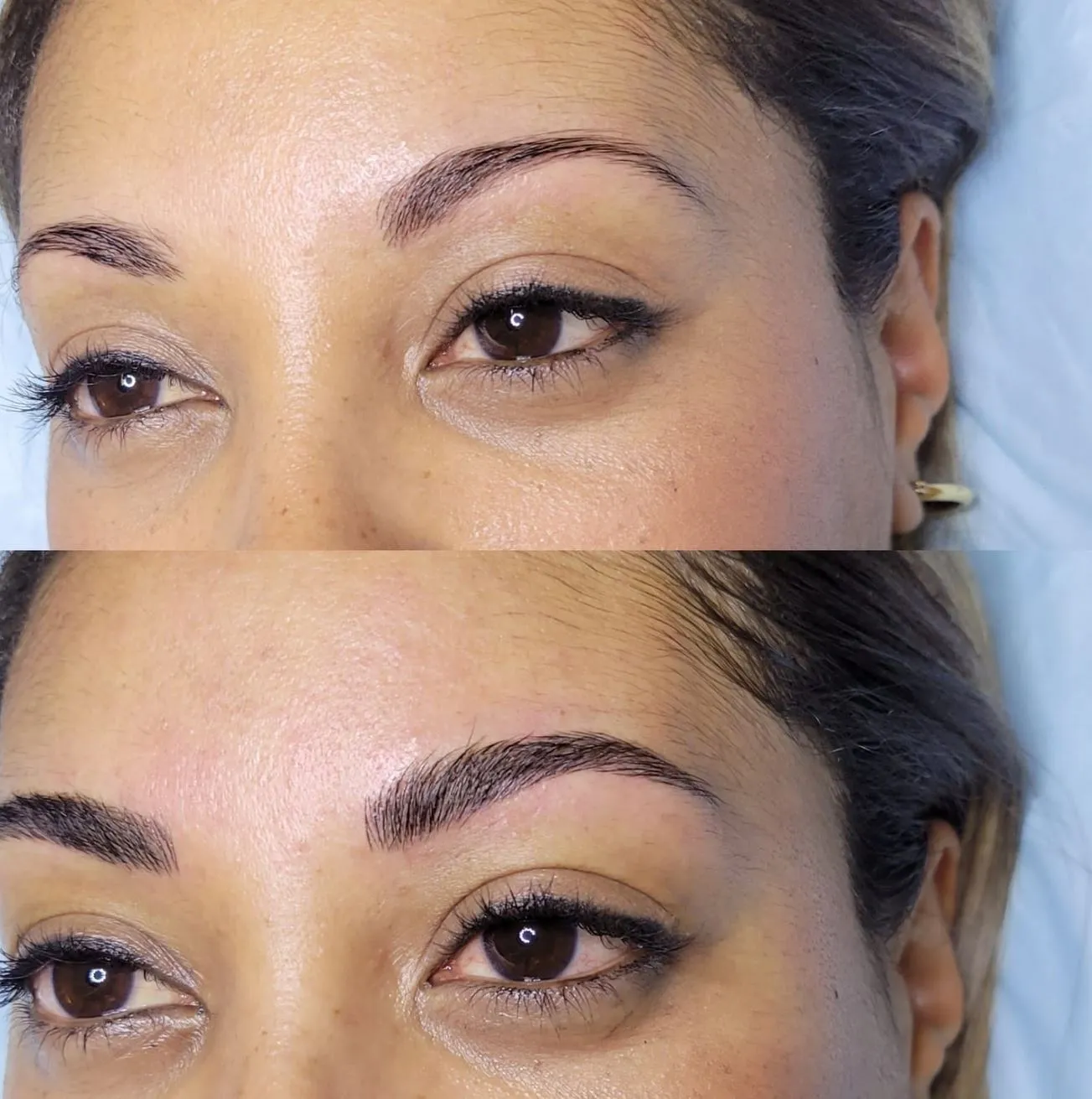
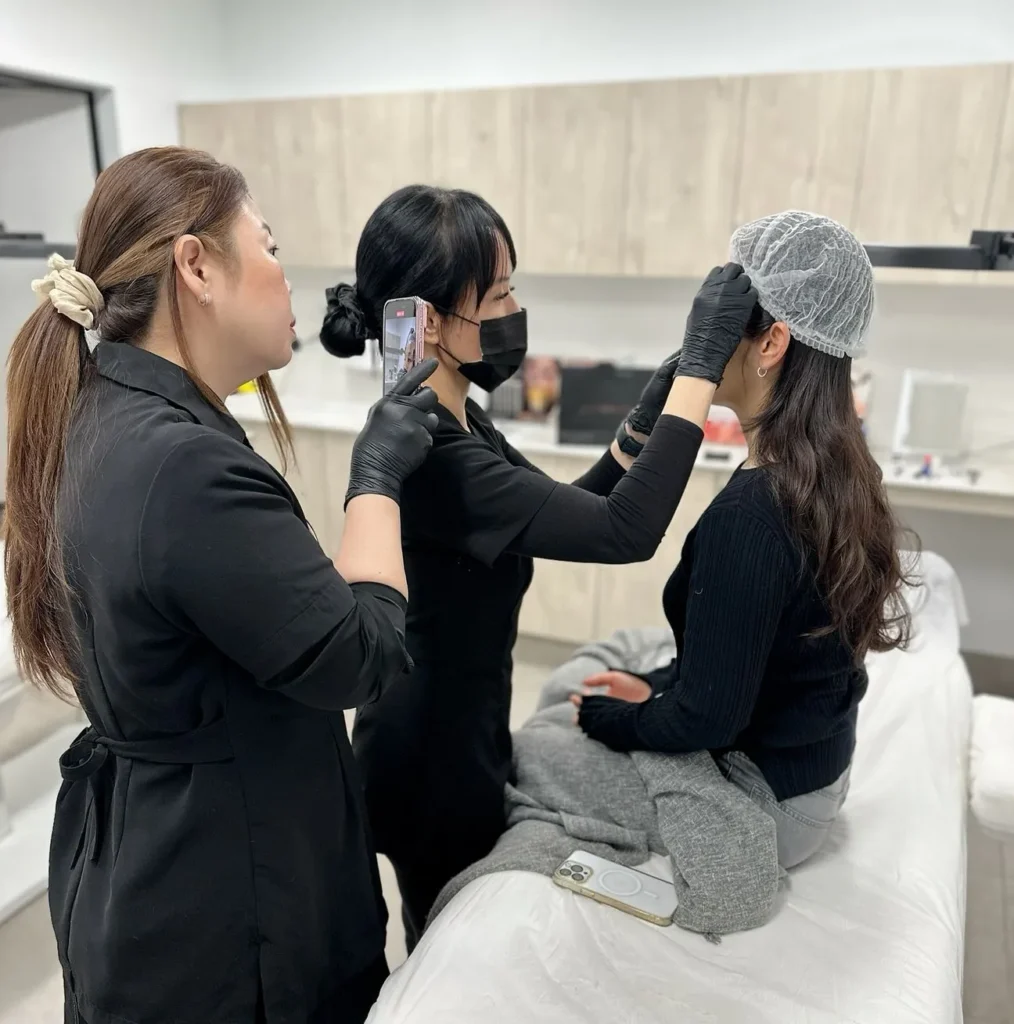
Let’s be real. You can’t master eyebrow tattooing without actual needles, pigment and skin. No amount of headset time replaces that first time sweat when working on a live model. But here’s what VR can do:
- Build spatial awareness
- Train your eye for symmetry and eyebrow shaping
- Get comfortable with tools like the microblading kit or semi-permanent makeup system
- Reduce first-time client anxiety
That last point is big. Many trainees freeze when it’s time to touch skin. Simulation gives them a space to “fail safely” and troubleshoot techniques before their first client appointment.
If you’re looking at an eyebrow tattoo course that includes these digital extras, it might just fast-track your learning curve.
Are Beauty Training Courses in Australia Using This?
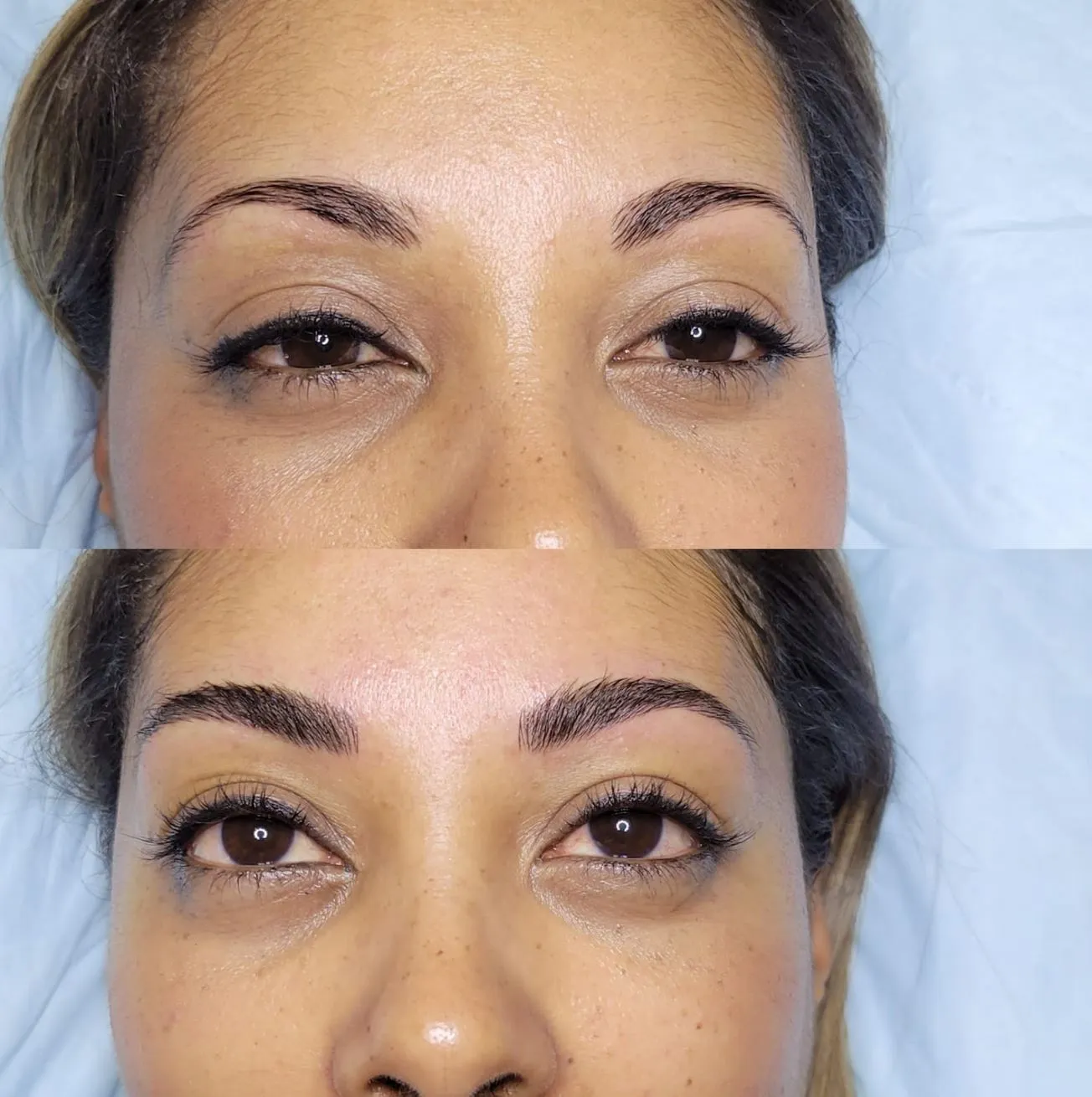
It depends on the provider. Some big RTOs and international academies are already including simulation in their training. But here in Australia, it’s still a growing area. A 2025 PMU Education Survey found:
- 27% of Australian training providers are currently using VR/AR modules
- 41% plan to introduce tech-based training within the next 18 months
- Only 13% feel confident in choosing the right simulation tools
At Face Figurati, we’re committed to being at the forefront. Whether you’re new or upskilling, our eyebrow tattoo course includes the option to try simulation and smart tools alongside traditional machine training.
Are Simulators the Future of Eyebrow Tattoo Training?
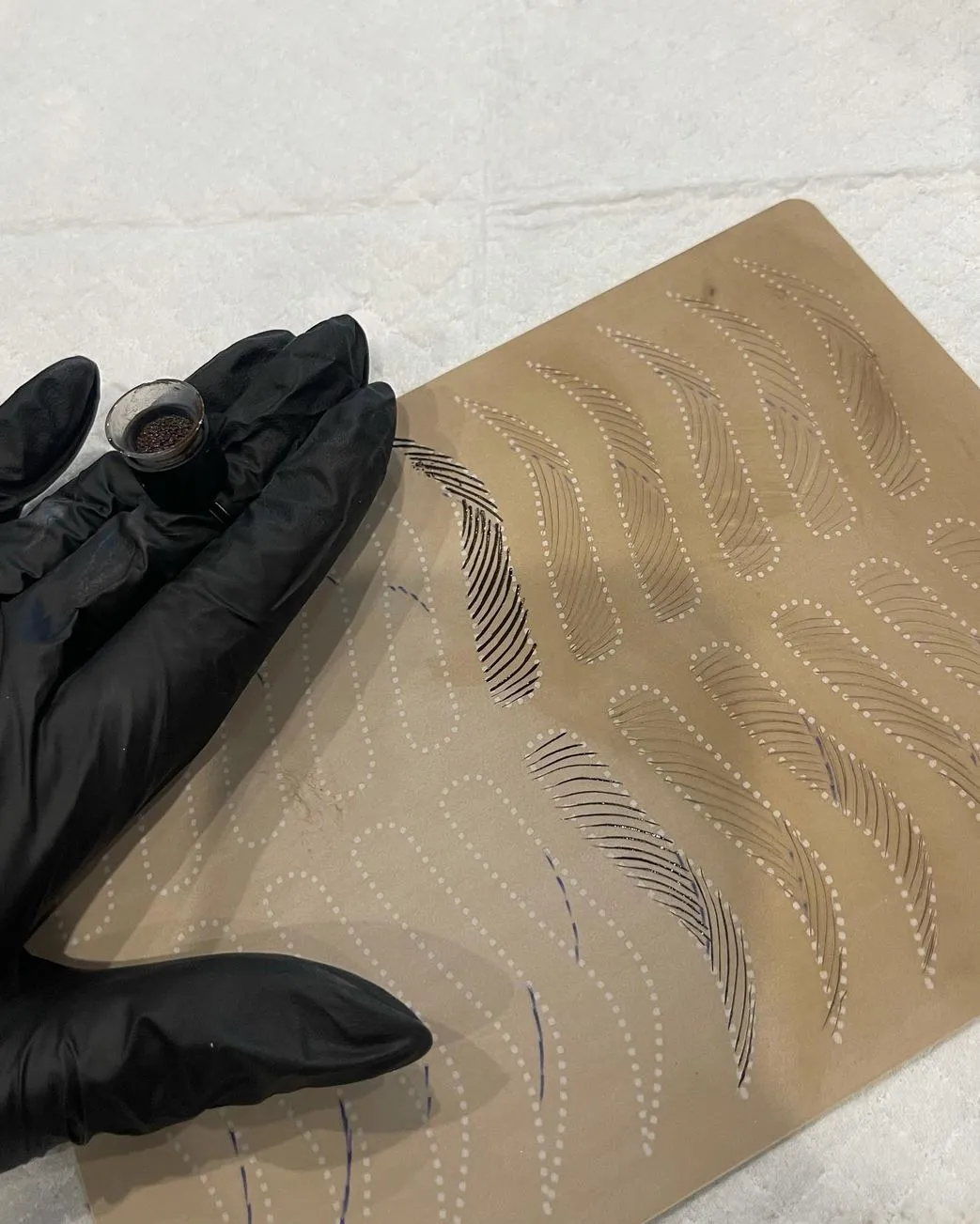
I see it this way: simulation tools aren’t replacing live practice — they’re enhancing it. They won’t turn you into a master brow artist overnight. But they will help you make smarter mistakes, earlier, and in a safer way.
In a field where precision, colour theory, and confidence are everything, that’s a big win.
Still wondering if high-tech tools are right for your brow training journey? Pop into Cosmetic Tattoo Studio Melbourne Face Figurati for a chat or browse our tech-enhanced eyebrow tattoo course. I’ll always give you the honest low-down before you commit.
Written by Olha Po — Certified Cosmetic Tattoo Artist & Founder of Face Figurati, Melbourne
FAQ
Can I become certified through VR-only brow courses?
No. All legitimate permanent makeup certification in Australia still requires hands-on assessments on live models.
Do simulation tools cost extra in brow training?
It varies. Some studios include it in course fees; others offer it as an add-on.
Are these tools beginner-friendly?
Yes. They’re designed to ease you in, not overwhelm. Most simulations begin with beginner-level skin scenarios first.
What should I look for in a tech-equipped training course?
Ask if they offer AR for brow mapping, haptic feedback pens, or scenario-based skin simulations.
Can these tools be used for other cosmetic tattoo areas?
Absolutely. Many are expanding into lip blush, eyeliner tattoos, and even scalp pigments and semi-permanent makeup enhancements.