Most travellers will ask How many islands are on the Great Barrier Reef? Before deciding whether they’ll head to Port Douglas or Airlie Beach, and fair dinkum, that’s a pretty reasonable question – the answer is a lot bigger than you’d probably expect. When I first started taking groups through Tropical North Queensland, hopping from place to place like Green Island, the Low Isles, and Fitzroy Island, I reckoned there were a dozen or so tiny sandy islands and a few resorts, and that was probably about it. Turned out the Reef has over 900 Great Barrier Reef islands spread out along the coast from the Torres Strait all the way down past the Keppel region – that’s a fair bit more than I had figured. Grab a cold one and settle in – this yarn is going to take us on a journey from coral cays to big old chunks of land and right back to when the last ice age was still going on.
Understanding The Island Count Without Losing Your Marbles
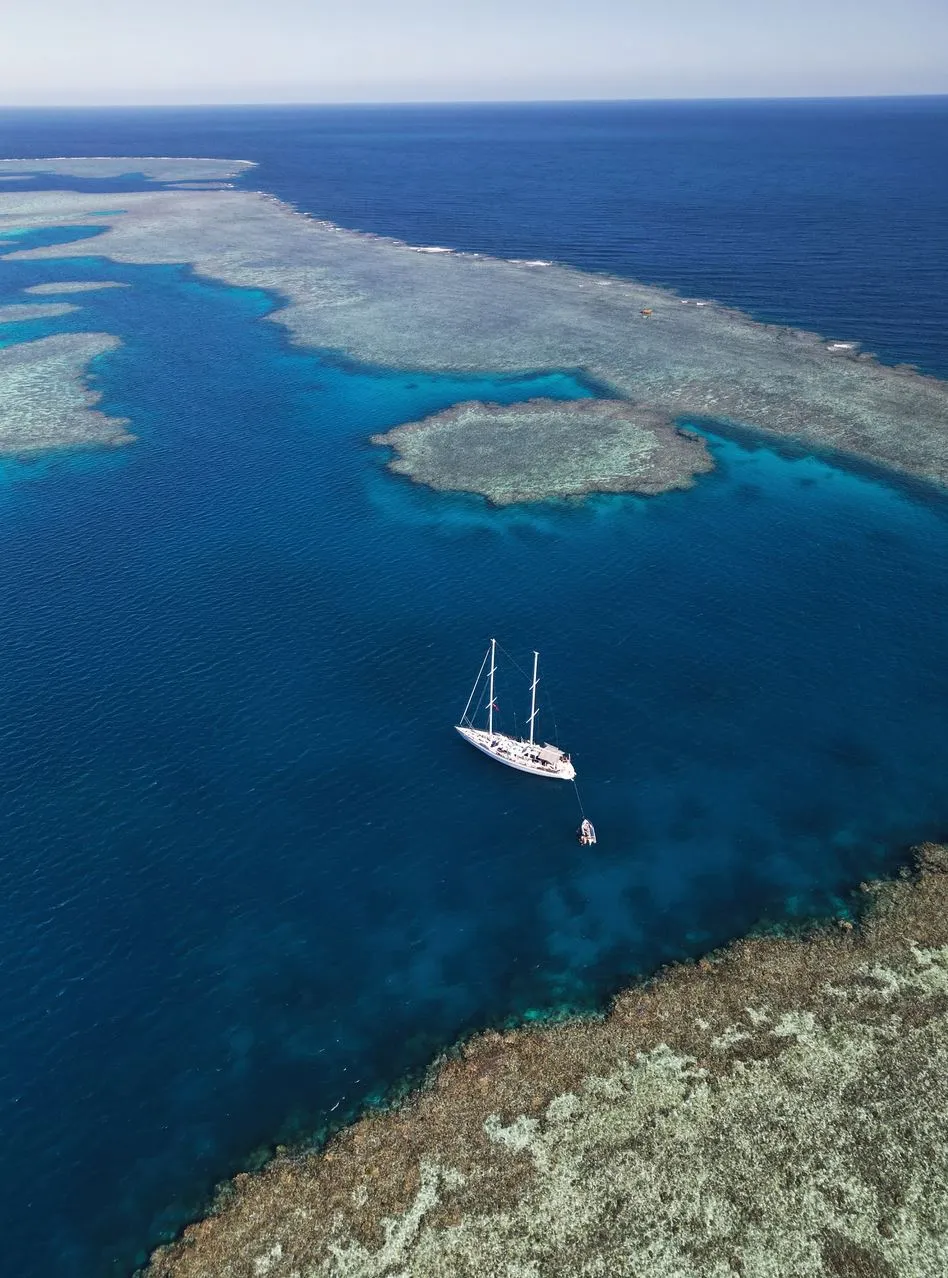
The Great Barrier Reef is actually part of the Great Barrier Reef Marine Park, which stretches a fair distance – over 2,300 kilometres – from Cape York all the way down to the southern Coral Sea. And within that UNESCO-listed World Heritage Area, you’ll find a mix of just about every type of island and reef formation you can think of – big old continental islands, small coral cays, tiny sand cays and reef flats that’ve been shaped by all manner of things like ocean currents, climate change and even bits of old ice age left over. That’s why even the brilliant blokes from the Great Barrier Reef Marine Park Authority still can’t give you a hard and fast number – around 900 islands, and cays is the best we can do – and that can still depend on what you class as a coral formation or a tiny sand bar, or how much the sea level has gone up and down.
Over the years, I’ve seen sandbars near Lizzard Island disappear overnight, and entire coral reef banks rebuild themselves after a rough patch of weather. The Reef is a living thing, not some spreadsheet.
A Simple Breakdown Of Island Types
Here’s a tidy snapshot of what makes up the island count (values approximate and shaped by geomorphology, Reef monitoring programs, and long-term marine studies):
| Island Type | Approx. Count | What You’ll Find There |
|---|---|---|
| Coral Cays | ~300 | Sand-built islands; home to marine turtle nesting, sea birds, and soft corals nearby |
| Continental Islands | ~600 | Ancient peaks of the Great Dividing Range are now surrounded by coral reefs |
| Sand Cays | ~50 | Drift-prone sandy banks, shaped by tides and trade winds |
| Mangrove & Tidal Islands | ~40 | Muddy, tidal habitats are strong nurseries for species of fish |
| Shingle / Rubble Cays | ~20 | Rugged coral rubble formations hammered by surf |
Across all of them, you’ll find species of marine life: green turtles and flatback turtles, manta rays, minke whales, sea snakes & all sorts of sharks and rays cruising the coral reef ecosystem.
Exploring The Continental Islands Without Flooding Your Thongs
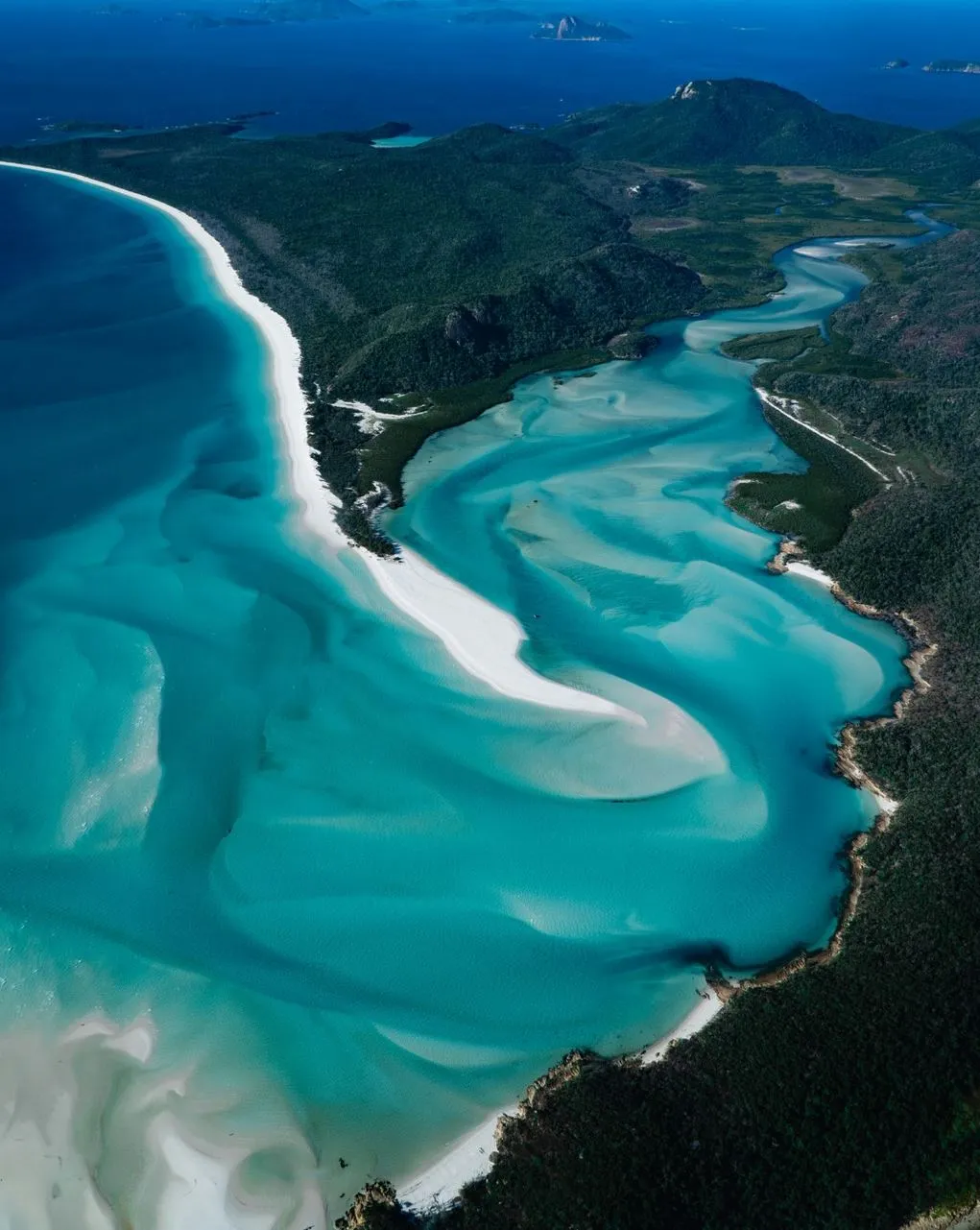
The continental islands are the heavy-hitters – I’m talking Hinchinbrook Island, Dunk Island, Curtis Island, and the famous Whitsundays off Airlie Beach. These islands spring out of the continental shelf, part of the ancient Great Dividing Range, and pack all sorts of forests, walking tracks, waterfalls and a healthy dose of goannas to keep you on your toes.
If you’re after walking tracks in the morning and scuba diving through hard & soft corals in the afternoon, these islands are your playground. During Stinger Season, make your peace with the stinger suit – it’s not really a fashion statement, is it? It’s more like survival – especially around the Cassowary Coast and Cape Tribulation.
And as always, check the conditions – one wet-season squall can shut trails on Hinchinbrook in no time.
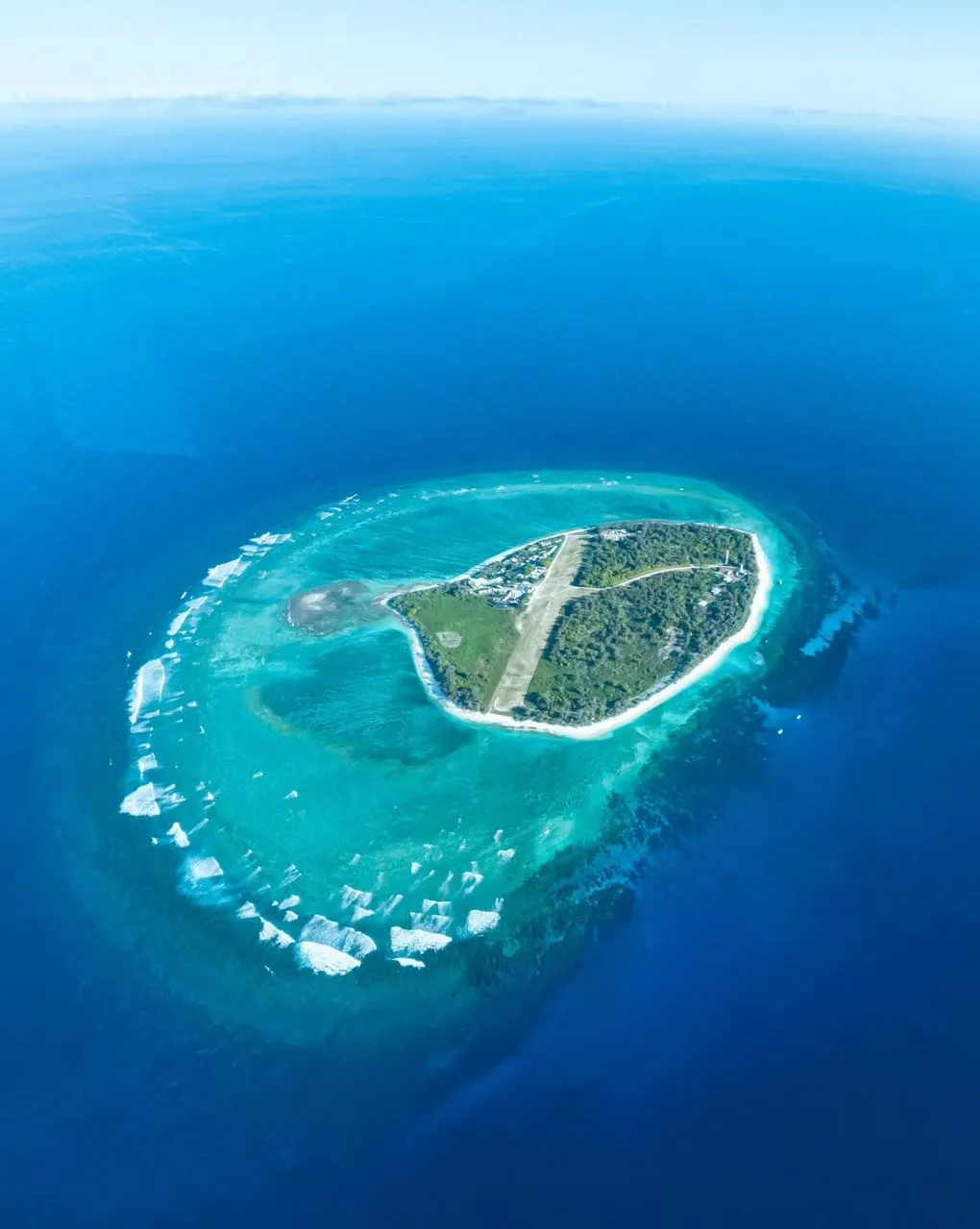
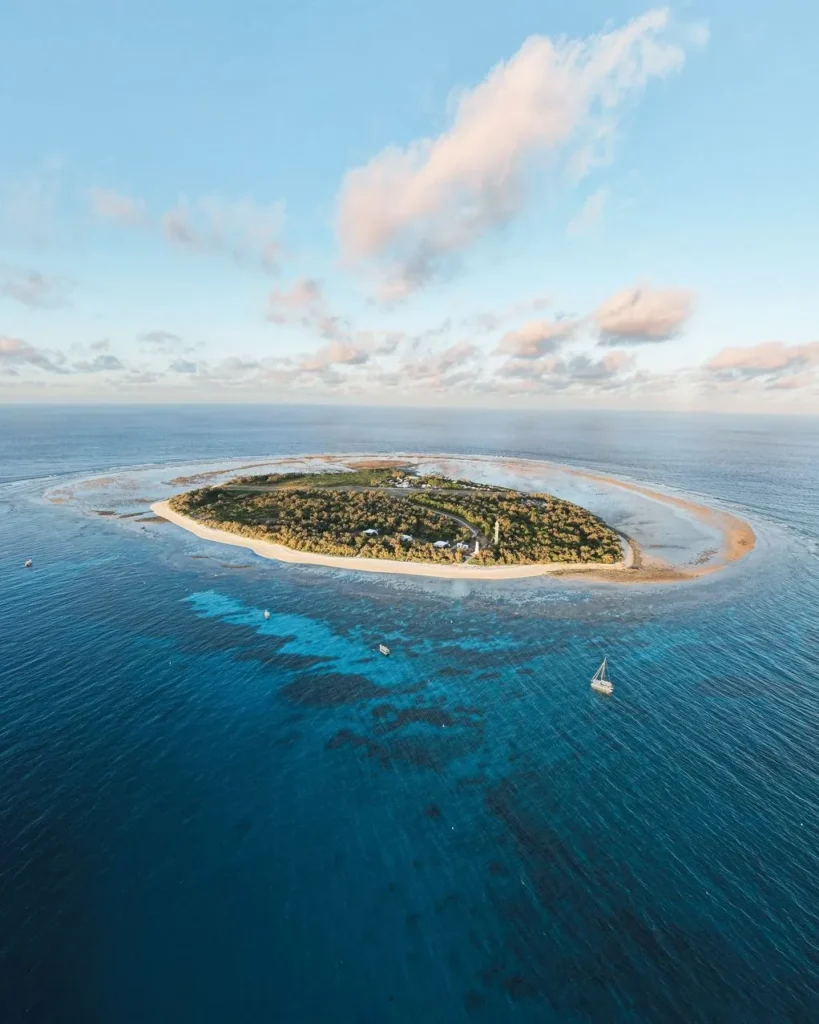
Then there are the showpiece coral cays: little sand-and-coral specks built by the relentless force of the Reef itself. Lady Elliot Island, Lady Musgrave Island, Heron Island and Raine Island are the heavy-hitters, but there are hundreds of lesser-known cays scattered across the Marine Park.
When I camped on a shifting sand cay north of Lizard Island overnight, I woke up to find half the beach gone – thanks to the trade winds. Coral cays are unpredictable, constantly shifting, breathing and regenerating – that’s part of what makes them so unique.
Here’s what you can expect to see:
- Brilliant, easy access to coral reefs, reef flats and nursery habitats for all sorts of fish
- Extensive nesting grounds for marine turtles – especially green turtles and flatbacks
- And loads of sensitive bird habitat – Raine Island is actually one of the most significant seabird rookeries on the planet
And don’t forget: these islands look peaceful, but they are utterly fragile – respect closures and nesting seasons – the rangers will put up with a bit of curiosity, but they won’t tolerate carelessness.
Finding The Reef’s Remote Outposts Without Getting Lost
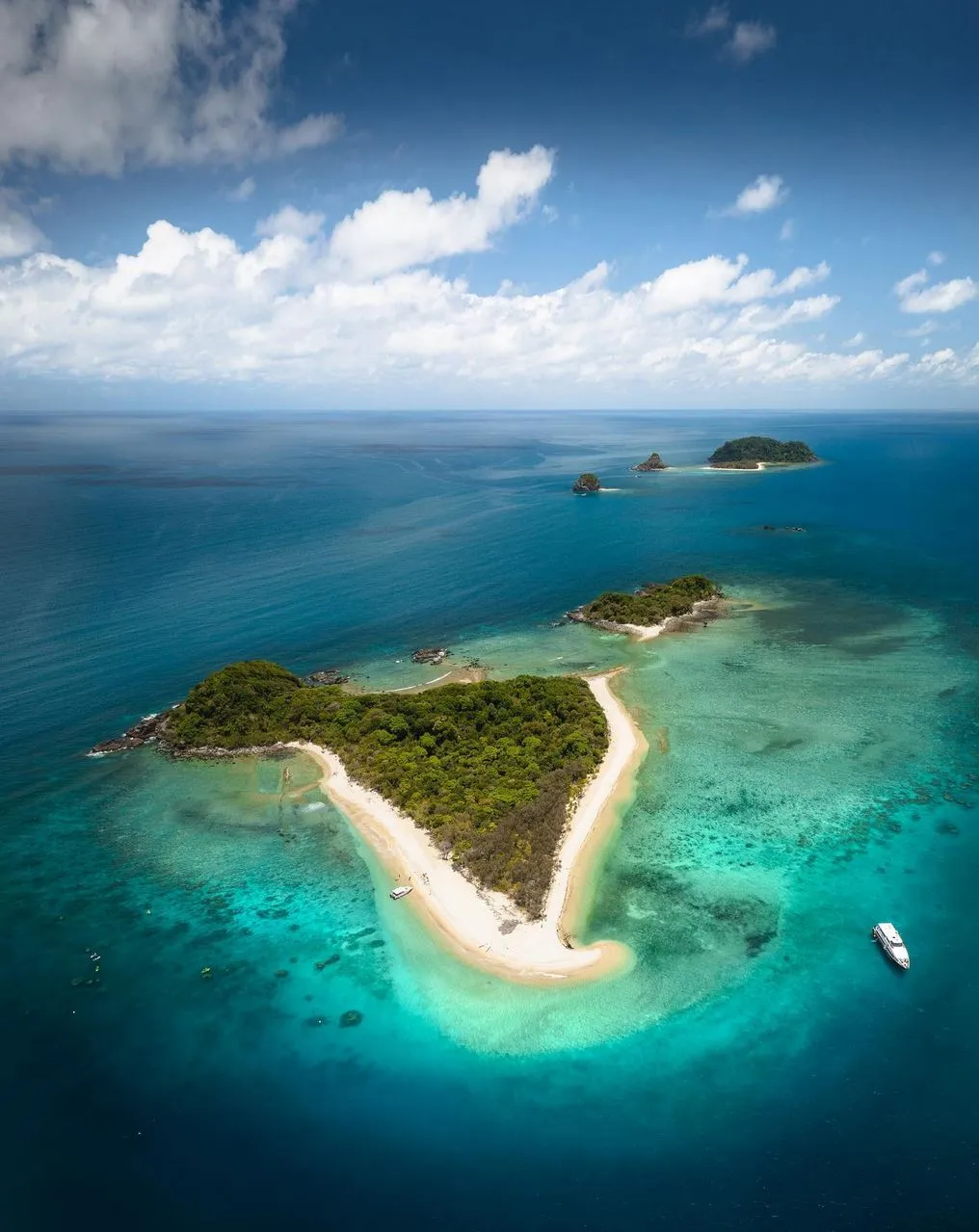
Beyond the tourist-friendly islands lies a network of hard-to-reach outposts – places like the Frankland Islands, Bresnahan Island, Goold Island National Park and the offshore banks around Agincourt Reef. They’re home to all sorts of whales and dolphins, swirling coral formations, and some of the most incredible marine life to be found anywhere in the Coral Sea.
On the charter runs I’ve done, I’ve spent days watching minke whales working the edge of the continental shelf or seen manta rays feeding over the soft corals near the atoll-like systems east of Lizard Island. You won’t find any shops or bars out there – just reef, sky and a whole lot of nothing.
If you make it that far:
- Make sure you respect the Traditional Owners and their guidance around culturally significant islands
- Be croc-wise, especially on the mangrove islands
- And pack light but pack smart – dry bags are your best mates when it comes to saving your phone & your pride
Island Adventure The Real Way – Not Just What The Brochures Say
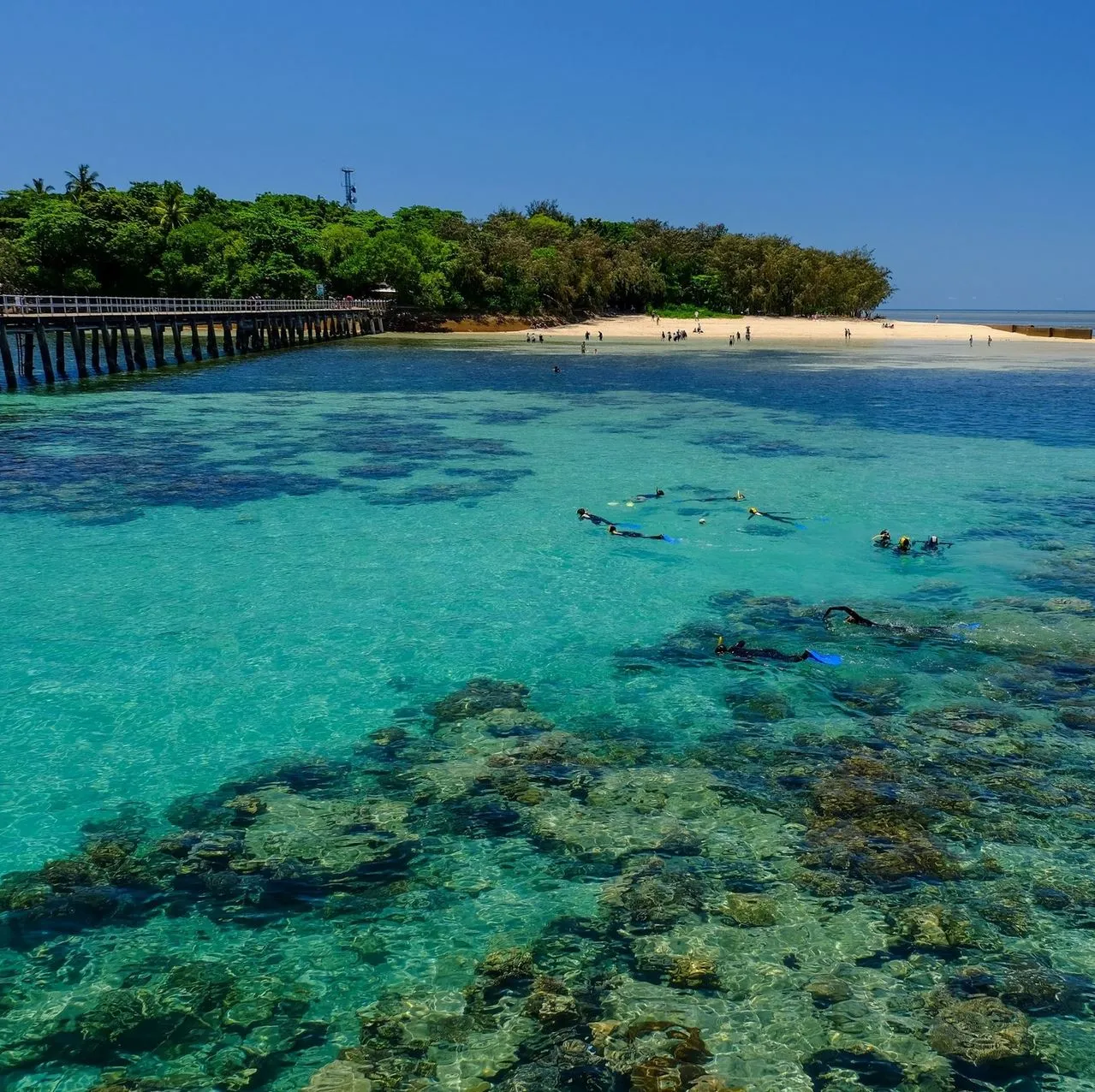
Choosing your island is all about what you’re after – and what the Reef happens to be giving you on the day. That fantastic crystal-blue water in the glossy brochures? Yeah, I’ve seen it turn a nasty shade of green when the southeasterlies blow through Port Douglas, and things aren’t so rosy.
Here’s a rough guide to get you started:
Easy Access, No Fuss
- Green Island – the one, a quick boat trip from Cairns
- Fitzroy Island – good for the fringing reefs and spotting some turtles
- Low Isles – the classic Tropical North Queensland coral cay experience
- Frankland Islands – small groups and great for spotting all sorts of fish and soft corals
All About The Reef? Forget The Frills
- Lady Elliot Island – where you’ll find all sorts of marine life, including manta rays and turtles, in crystal clear water
- Heron Island – it’s a bit of a research hub, and has plenty to offer for those into that sort of thing
- Lizard Island – this place is all about getting out to the outer reefs and maybe even catching a glimpse of the Agincourt Reef
Get Off The Beaten Track
- Hinchinbrook Island – legendary Thorsborne Trail here, perfect for those who want to get away from it all
- Dunk Island, for all I know, might just be more of the same
- Whitsundays near Airlie Beach – we’re talking 74 islands, all with fringing reefs
Wherever you end up, you can expect to see sea turtles, reef sharks, all sorts of butterflyfish and the odd curious fish that thinks your GoPro is a tasty snack.
Pay Attention To The Seasons – You Don’t Want To Get Caught Out
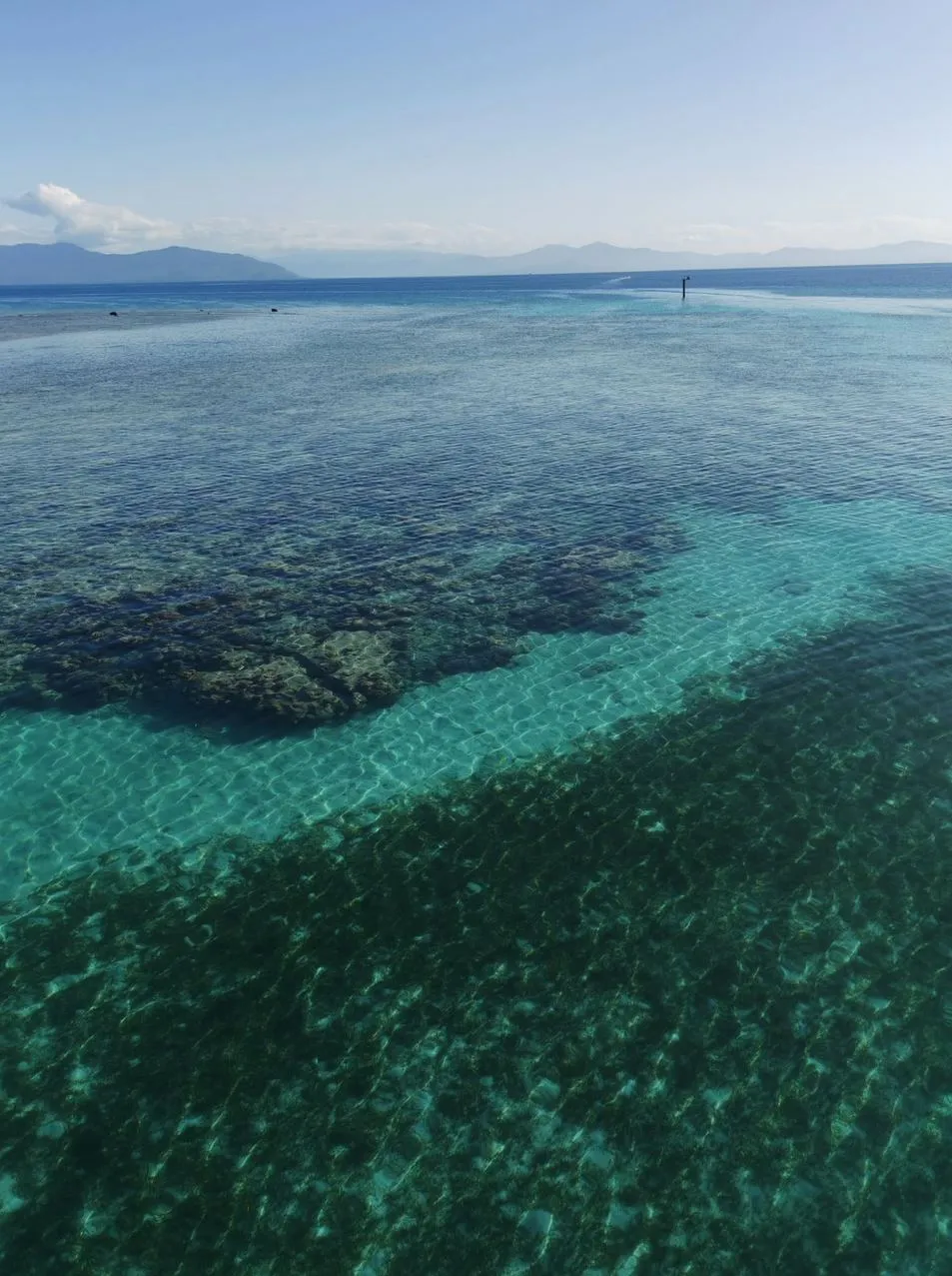
The Great Barrier Reef is massive, so the seasons vary depending on where you are – especially between Cape York and the Whitsundays.
Dry Season – The Good Times
- Calmer seas, so you can snorkel without worrying about getting bashed around
- Underwater visibility is usually top-notch
- It’s a great time to see the manta rays and watch the whales migrate
- Nights can get a bit cooler, so it’s a good time to go camping on some of those sand cays
Wet Season – When Things Start To Get A Bit Wild
- Afternoon storms are a regular occurrence
- Stinger Season – yeah, you’re going to have to wear that wetsuit if you don’t want a nasty surprise
- Cyclone season – not a good time to be in the water
- Water can get pretty murky near the river mouths in the Cassowary Coast region
I remember guiding a boat out of Port Douglas during a wet-season blow and watching a whole load of snorkellers come back looking like they’d been through a wringer because they insisted they’d be fine. They didn’t.
Planning Your Island Hopping Without Overpacking
After years of island hopping around, I’ve finally got my go-to kit dialled in:
- Sunscreen that won’t damage the reef
- A good stinger suit or long-sleeve rashie to save your skin
- A refillable water bottle to stay hydrated
- A hat that won’t get blown away by the wind off the Coral Sea
- A dry bag to stash your gear
- A lightweight towel, because a beach trip isn’t complete without one
- Snorkel gear (or just rent it when you get there, it’s a lot easier that way)
- For walking around the island, bring a pair of thongs and some runners
The islands of the Great Barrier Reef don’t precisely have a high-rise infrastructure – some have solar panels, others use desalination, but you can’t assume they’ve got all the mod cons. So bring what you need and make sure to leave no trash behind.
If you’re planning your own island-hopping route through Tropical North Queensland or beyond, Great Barrier Reef Tour would be a good place to start — and I’d be more than happy to share some of my own experiences from out on the water.
FAQ
Just How Many Islands Does The Great Barrier Reef Have Anyhow?
We’re talking around 900 islands and cays – but that number can vary depending on how you define a coral cay, a sand cay, and a proper island.
Why are the numbers so different from one source to the next?
It’s because the coral cays keep moving, the sand cays keep eroding, and sea level changes keep altering the shape of the islands – it’s a pretty dynamic landscape.
Can I camp on any of these islands?
Some of them – like Lady Musgrave Island and parts of the Whitsundays – have campsites, but you’ll need a permit to stay there.
What sort of wildlife am I going to see out there?
Expect to see turtles, manta rays, whales and dolphins, sea snakes, reef sharks and more than 1600 species of fish – it’s a fisherman’s paradise, or a snorkeller’s heaven.
Which island is best for a first timer?
A lot of people recommend Green Island, Fitzroy Island or Low Isles – they’ve all got easy access, calm reefs and plenty of guided activities to keep you busy.