You’ve probably heard the tall tales – a light dusting on the gum trees, icicles hanging from the eaves of those quaint Leura cottages, and the locals racing out in their puffer jackets like kids on Christmas morning. But these aren’t just made-up stories. How to see snow in the Blue Mountains is something that lots of Aussies want to know, and I can give you the lowdown – it is possible, it’s bloody magic, and if you’re not prepared for the chill, it’s bloody cold. My name is Paul Beames, and I’ve spent years road tripping through the Great Dividing Range – I’ve seen the Blue Mountains transform from misty green to a temporary but brilliant white. And with a bit of help from one of our expert guides on a Blue Mountains Tour, you’ll have the best possible chance of catching the action – they’ll be keeping an eye on the latest snow forecasts
Chasing Snow in Australia’s Favourite Mountain Range
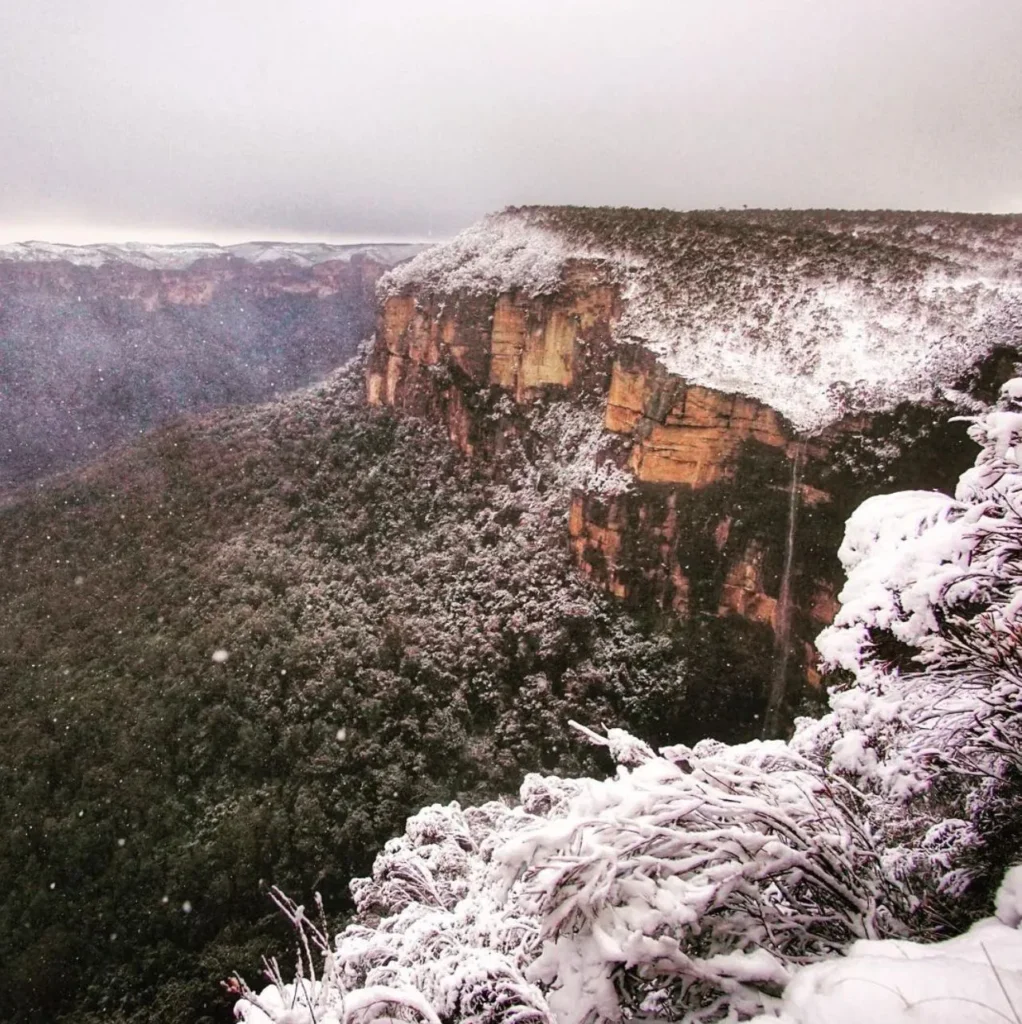
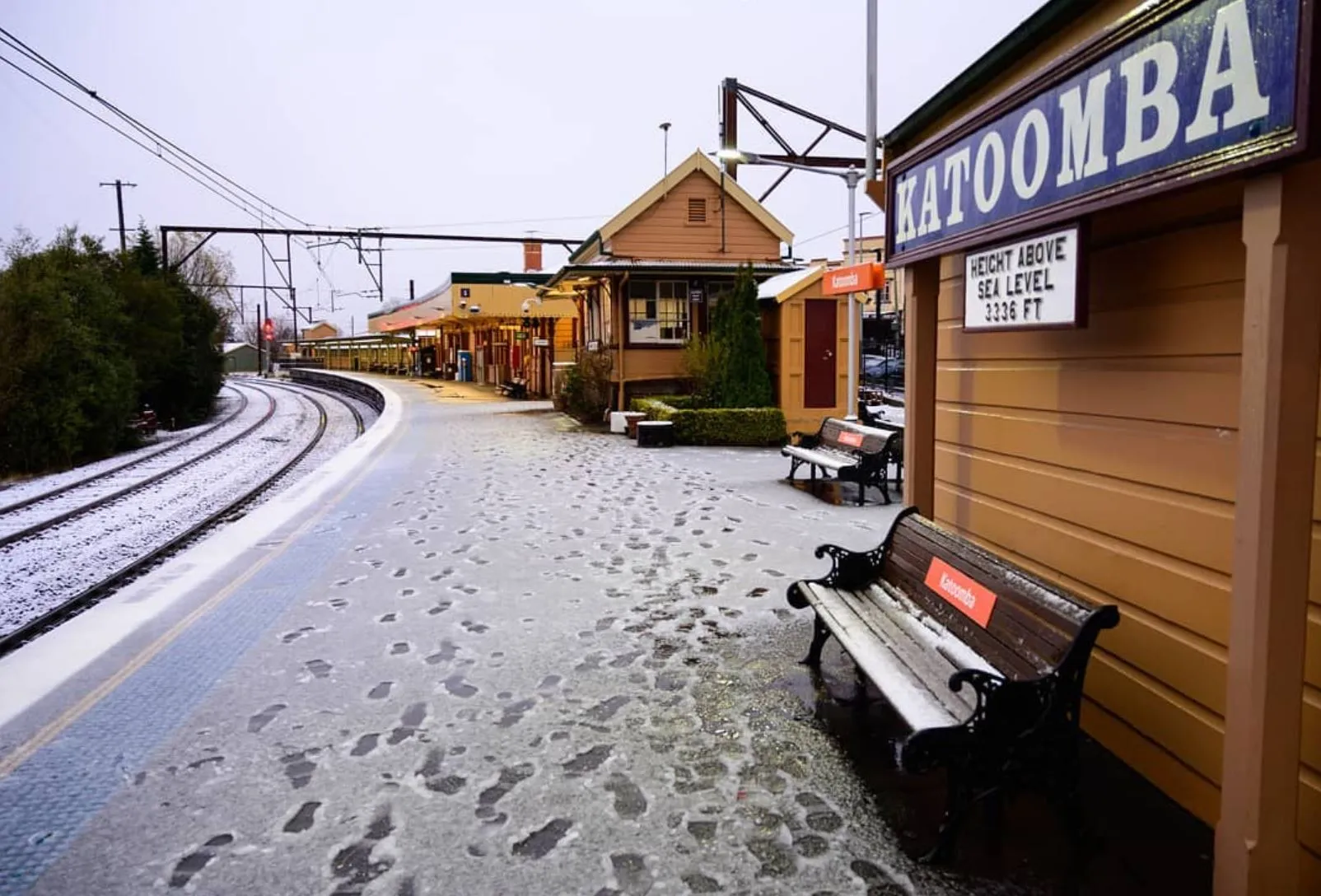
Snow in the Blue Mountains isn’t something you can chalk off as a sure thing – it’s a lovely surprise, a bit like spotting a Lyrebird in the wild. The mountains are about 1000 metres above sea level, just high enough for the occasional bit of snow to fall between June and August. Most years, you’ll see a light dusting over Katoomba, Blackheath, or Mount Victoria a couple of times. When a low-pressure system rolls up from the South, the mountains can turn into a winter wonderland in a jiffy – misty valleys and waterfalls that have gone from liquid to ice.
If you’ve been on a Blue Mountains Tour at this time of year, you’ll know the thrill of watching snowflakes drift across the valley – a sight that never gets old. The trick, though, is in the timing, a bit of luck and knowing which spots will actually hold a bit of snow long enough to get a decent photo. I’ve seen folks come from Sydney at the first mention of “flurries” on the news, only to find nothing but puddles when they get here – let’s change that. Here’s how to do it right.
Best Time to Catch a Snowfall
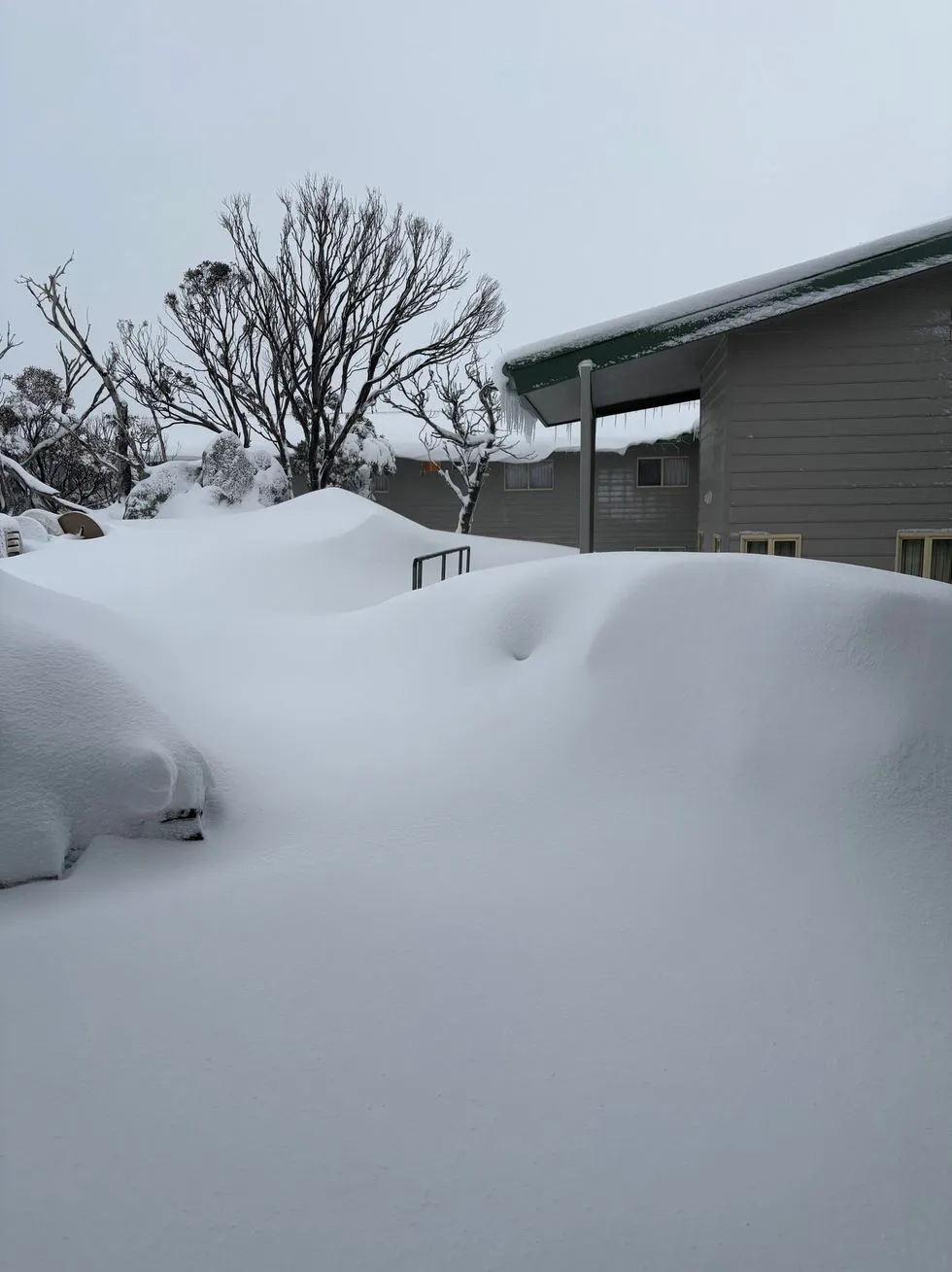
Winter in the Blue Mountains is June to August, and it’s bloody chilly in the mornings – it dips close to zero. The records from the Bureau of Meteorology show that Katoomba’s average July low is 2 degrees, and in some years it’s gone right down below freezing – that’s when it’s getting interesting.
| Month | Avg. High (°C) | Avg. Low (°C) | Chance of Snow |
|---|---|---|---|
| June | 10 | 3 | Low–Medium |
| July | 8 | 2 | High |
| August | 9 | 3 | Medium |
Your best bet at catching some snow is when a cold front or cold front or low-pressure system from the south-west rolls in, especially after a few rainy days and plummeting temperatures. Keep an eye on the BOM radar – the closer that cold air mass gets to creeping over Oberon and Lithgow, the better your chances are. While the summer months bring lovely weather and throngs of bushwalkers, winter has a quiet charm all its own, and a snow day might just tick off that bucket list of yours.
Where the Snow Actually Falls and Sticks
Forget the idyllic postcards. Not every village gets a fair share of the white stuff. Here are the places that are worth keeping an eye on:
- Blackheath: The coldest and highest of the main towns, it usually gets the first decent snow that stays around for a bit.
- Mount Victoria: At 1052 metres, it gets battered by wind and whiteouts when the conditions are just right.
- Medlow Bath: The views of the escarpment are mind-blowing – and so are the sleet squalls that roll in from the west.
- Oberon Plateau: This is off the beaten track, but the snow here is the real deal. Imagine frosty paddocks and roadside gums straight out of a winter wonderland.
When I rolled into Blackheath in 2018 during a cold snap, the snow was thick enough to crunch under your feet and pretty much gone by noon. That’s the Blue Mountains way – blink and it’s gone. Loads of people opt for a Blue Mountains Tour at this time of year to increase their chances of seeing these areas safely.
What to Pack for Chasing the Snow
If you’re planning on seeing some snow, ditch the tropical packing list. The air gets pretty chilly, especially in the early hours. Here’s what I always pack:
- Waterproof hiking boots – frost turns to slush pretty quickly
- Layered clothing – thermal base, fleece, windproof jacket
- A beanie and some warm gloves (you’ll thank me for that)
- Reusable hand warmers
- A thermos for that morning cuppa
- Abseiling gear or climbing shoes if you’re tackling winter canyoning or cliff walks
- A healthy dose of patience (because snow chases can be a real test of that)
It’s also worth checking your car’s coolant and making sure your tyres are in good nick – a bit of black ice on those winding roads can make for a very bad story.
Scenic Spots That Turn Magic in Snow
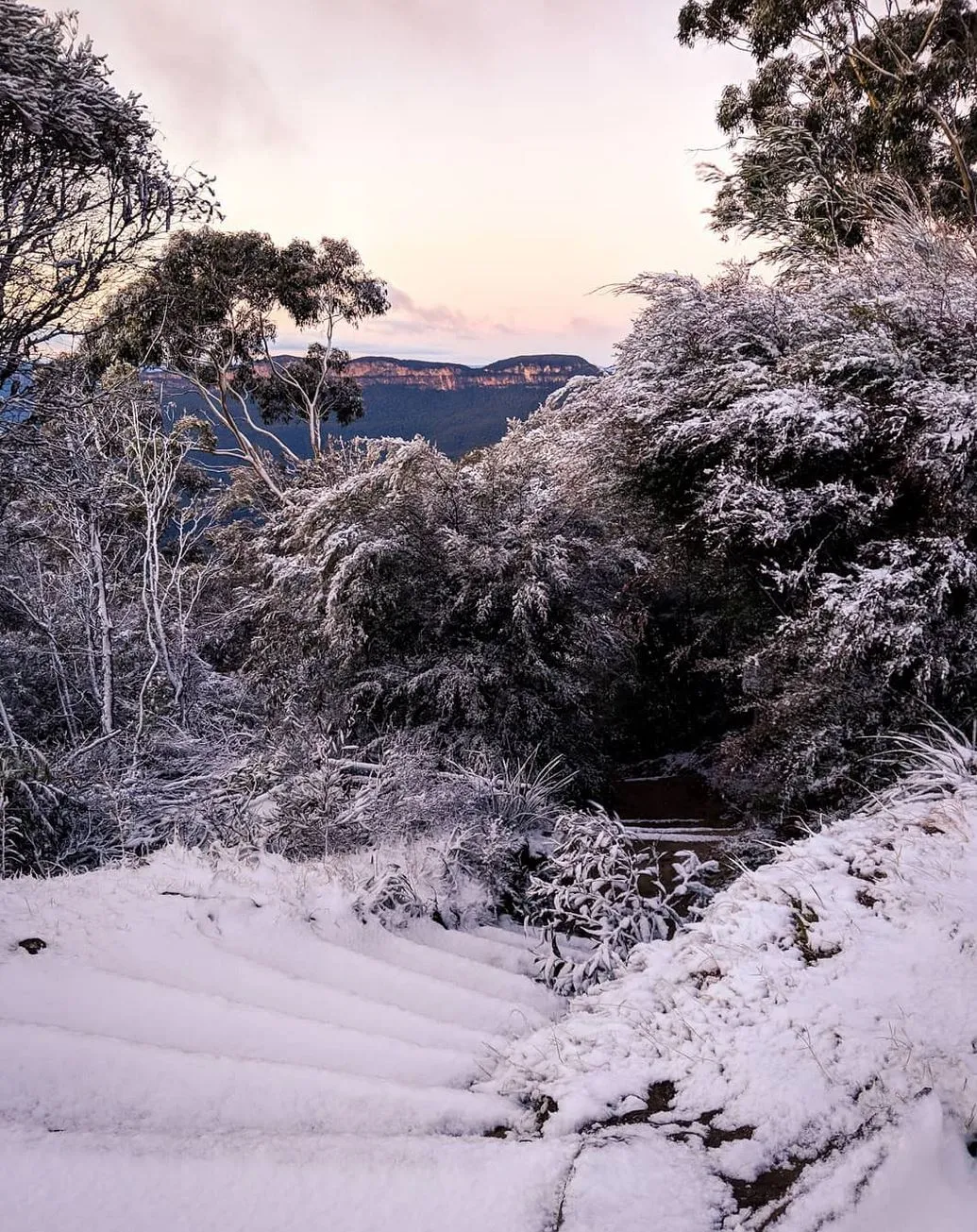
Even a light dusting turns these lookouts into magic:
- Govetts Leap Lookout (Blackheath): Snowy cliffs into the Grose Valley — best viewed just after sunrise.
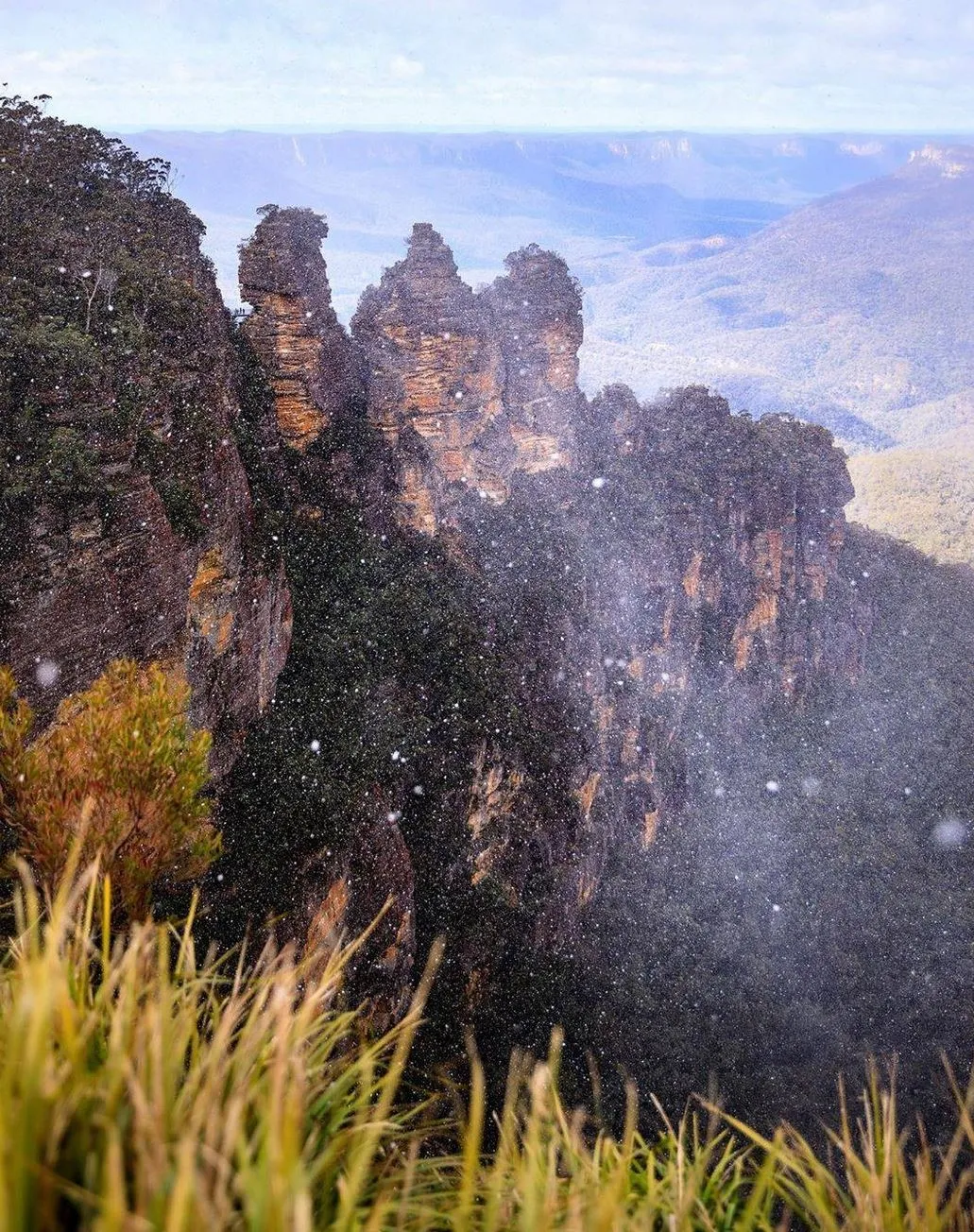
- Echo Point (Katoomba): The Three Sisters in mist and snow is rare, but epic.
- Mount York Road: Great for seeing snow linger in the bushland longer than open spots.
- Oberon to Jenolan Caves Road: Rural snow scenes and occasional closed roads — check conditions before you go.
Pro tip: don’t stop on the highway shoulder for photos. Every winter, someone gets bogged down or blocks a lane because they couldn’t resist pulling over for a snow selfie. Join an organised Blue Mountains Tour and avoid those rookie mistakes.
Where to Warm Up Afterwards
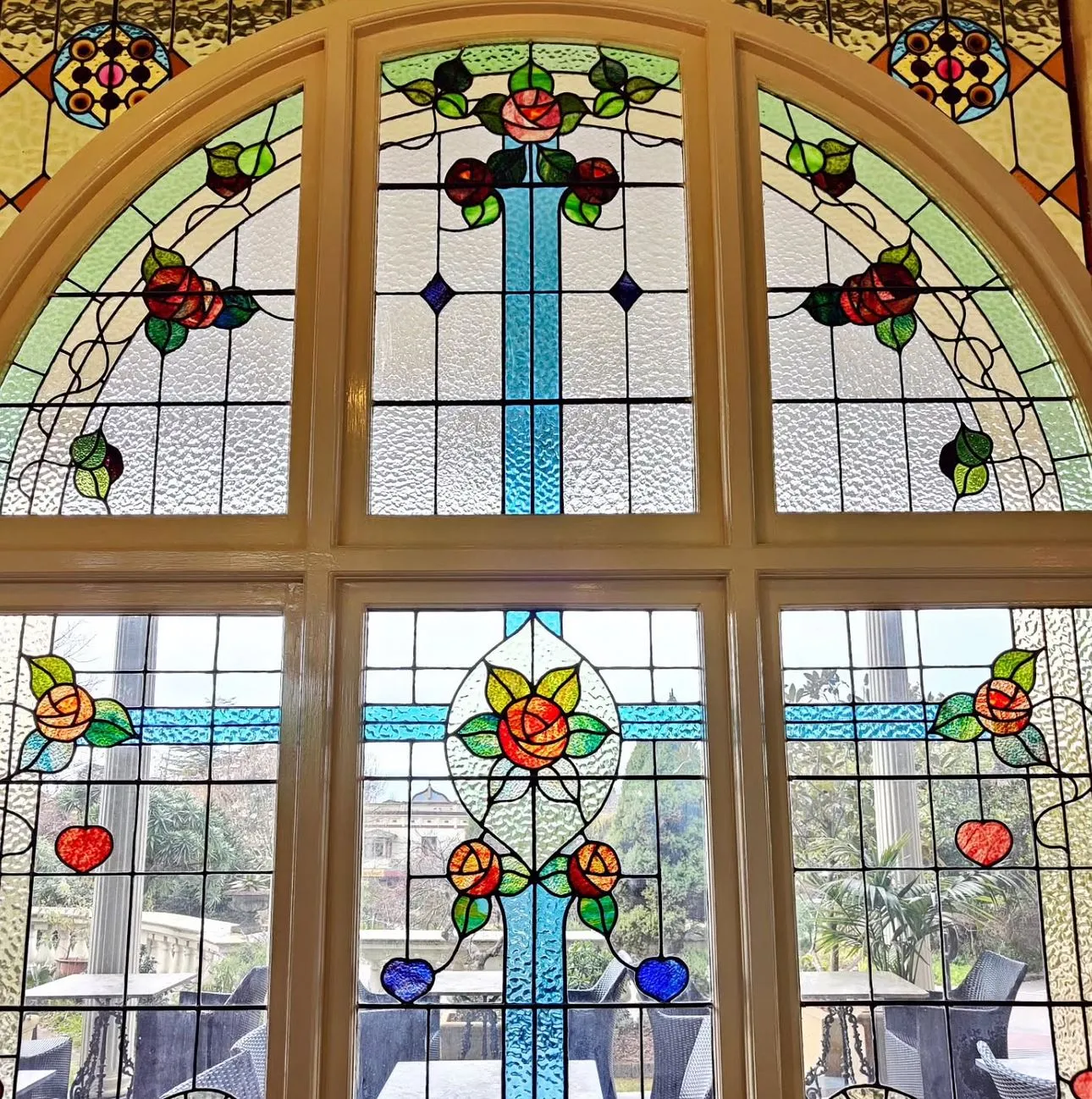
Once the frostbite threat sets in, warm up at one of these local haunts:
- The Carrington Hotel, Katoomba: Step back into colonial charm with a pint by the fire.
- Anonymous Café, Blackheath: Best coffee in town, and usually full of snow-chasing locals swapping weather intel.
- Megalong Valley Tea Rooms: Country pies, hot tea and valley views.
And yes, we run small group tours through this region at Get Lost Travel Group, but we stick to safe conditions — we’re here for adventure, not frostbite. We often partner with Blue Mountains Tours to offer visitors unique winter experiences across the region.
Road Safety and Weather Warnings
Snow might look harmless, but conditions can turn on a dime. The Great Western Highway can have black ice near Mount Victoria or Bell. Check Live Traffic NSW before you go, and avoid driving at dawn or after dark if temps drop below 2°C.
Many people forget that even a light dusting can make the verges slippery. A bit of Aussie common sense goes a long way — slow down, keep your headlights on and don’t tailgate that rental campervan in front of you.
A Few Stats for the Weather Buffs
The Blue Mountains do get hit with some snow – it’s not too often, but when it does, they average out 1-3 snow days per year at the higher elevations, according to the BOM climate data. In a pretty harsh winter back in 2015, some areas of the Blue Mountains did end up having as many as 8 snow days – that’s been the heaviest we’ve seen since the mid-90s. And let me tell you, even when the snow does get a bit deeper , it rarely gets over 5 cm – but even that’s enough to make the eucalyptus trees look like they’ve been painted white with a brush in all the right places.
But you know, that’s kinda the charm of it all – you’re getting a glimpse of something very unusual in this part of the world, but not at all like what you’d get in the Alps.
A Local’s Tips for Snow Photography
You’ve got like 30 minutes or so between the snow and slush coming down – so make the most of it:
- get an extra battery – the cold can kill them pretty quickly
- mess with the exposure settings – the snow can really throw off the automatic ones
- throw on a polarising filter for a bit more definition in the pics
- try to get some gum trunks or a bit of sandstone in the shot to balance all the white out
- and honestly, there’s nothing worse than a photo of a snow scene with footprints all over it – try to avoid them beforehand if you can
And yeah, any old snow selfie with a kangaroo cut-out from Scenic World is just not going to cut it – we’re after the real deal.
Alternative Snow Fixes Nearby
If Katoomba doesn’t deliver the goods you’re after, you could always push on a bit further west to Oberon or Shooters Hill – both of those places are a bit higher up and colder, so your odds are a lot better of getting some real snow. If you’re dead set on chasing the snow, then yes, go the extra mile to Lithgow’s Newnes Plateau, but be warned – roads can be pretty rough there, even after the rain. You’ll need a 4WD and some local advice to make it all work.
If the snow doesn’t come, don’t be too bummed – the Blue Mountains still have heaps of other stuff to get into in the winter, like hiking, canyoning and abseiling. And even if you don’t get the snow, the major attractions like Scenic World, Jenolan Caves and Wentworth Falls are still pretty amazing in the cool mist. Loads of people come and visit the Blue Mountains for the snow, but also end up going on a guided tour to make the most of the scenery and the adventure.
Respecting Country
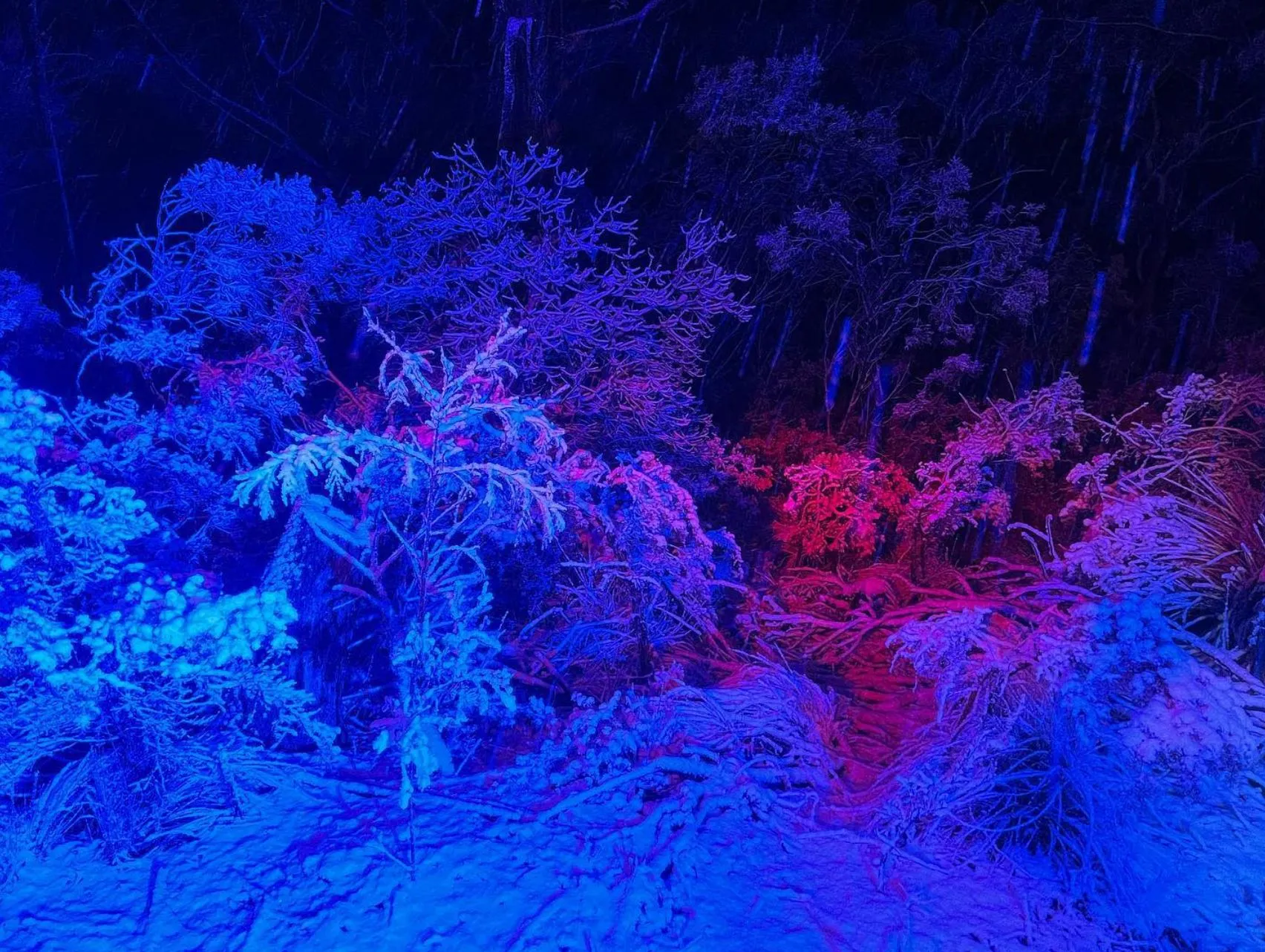
The Blue Mountains are part of the land of the traditional Darug and Gundungurra Peoples – a lot of the snow-hunting trails actually cross over onto what you might call “sacred land”. Just be respectful, stick to the established tracks, and don’t traipse through the bush—it’s all just part of being a decent visitor to this part of the wilderness.
The Real Joy of the Chase
Seeing snow in the Blue Mountains isn’t about luck — it’s about timing, preparation and a bit of curiosity. I’ve chased plenty of flakes that never fell, but the ones that did made it all worth it. Watching the mist lift off the Jamison Valley to reveal frosted gums feels like discovering another side of Australia entirely — one most travellers never expect to find this close to Sydney.
So if you want to see it for yourself, keep an eye on the forecast, pack a thermos and give yourself a night up in Blackheath. The snow may not always come, but the experience? Always worth the chase. It’s the perfect time to get out, reflect and enjoy the mountains in their quietest, most magical form. Booking a Blue Mountains Tour can be the easiest way to catch that magic without worrying about the driving or the forecast.
Got a cracking snow story from your Blue Mountains trip? Drop it in the comments — I’m always updating our field notes. And if you’re interested in small group winter adventures, check out what we’re running at Get Lost Travel Group, or join one of our Blue Mountains Tours for a hassle-free experience.
FAQ
How often does it snow in the Blue Mountains?
One to three times a year, mainly between late June and early August. Some winters bring more; others, none at all.
What’s the best town to stay in for snow chances?
Blackheath and Mount Victoria are the highest and coldest towns, your best bet for snow that sticks.
Can I drive safely during snowfall?
Yes, but use caution. Check Live Traffic NSW for warnings, slow down and avoid driving at night during icy conditions.
Do I need snow chains?
No — the roads rarely get enough snow for that. Just make sure your tyres are in good nick and drive carefully.
What should I bring if I’m planning a snow chase?
Layers, waterproof gear, gloves, a thermos and a good attitude. Conditions can change quickly — be ready for cold, wet and windy weather.