“Where can I try bush tucker in Uluru?” is one of those questions that never gets old. Every traveller who arrives in the Red Centre eventually gets curious — not just about the rock, but about the flavours born from the land itself. Bush tucker isn’t some fancy fad; it’s food with soul — native ingredients pulled from the desert by the hands of people who’ve lived here for more than 60,000 years.
I’m Paul Beames, founder of Get Lost Travel Group, and after years roaming the Outback with travellers, I’ve seen how tasting real bush tucker flips people’s understanding of Australian food. Forget steak and chips — this is Indigenous cuisine at its purest: earthy, surprising and grounded in deep cultural meaning.
You can also join Uluru Ayers Rock Tours to sample some of the most authentic bush tucker dishes available. Their itineraries include immersive tastings with local Indigenous guides and traditional cooking demonstrations you won’t find anywhere else.
Indigenous Food Traditions
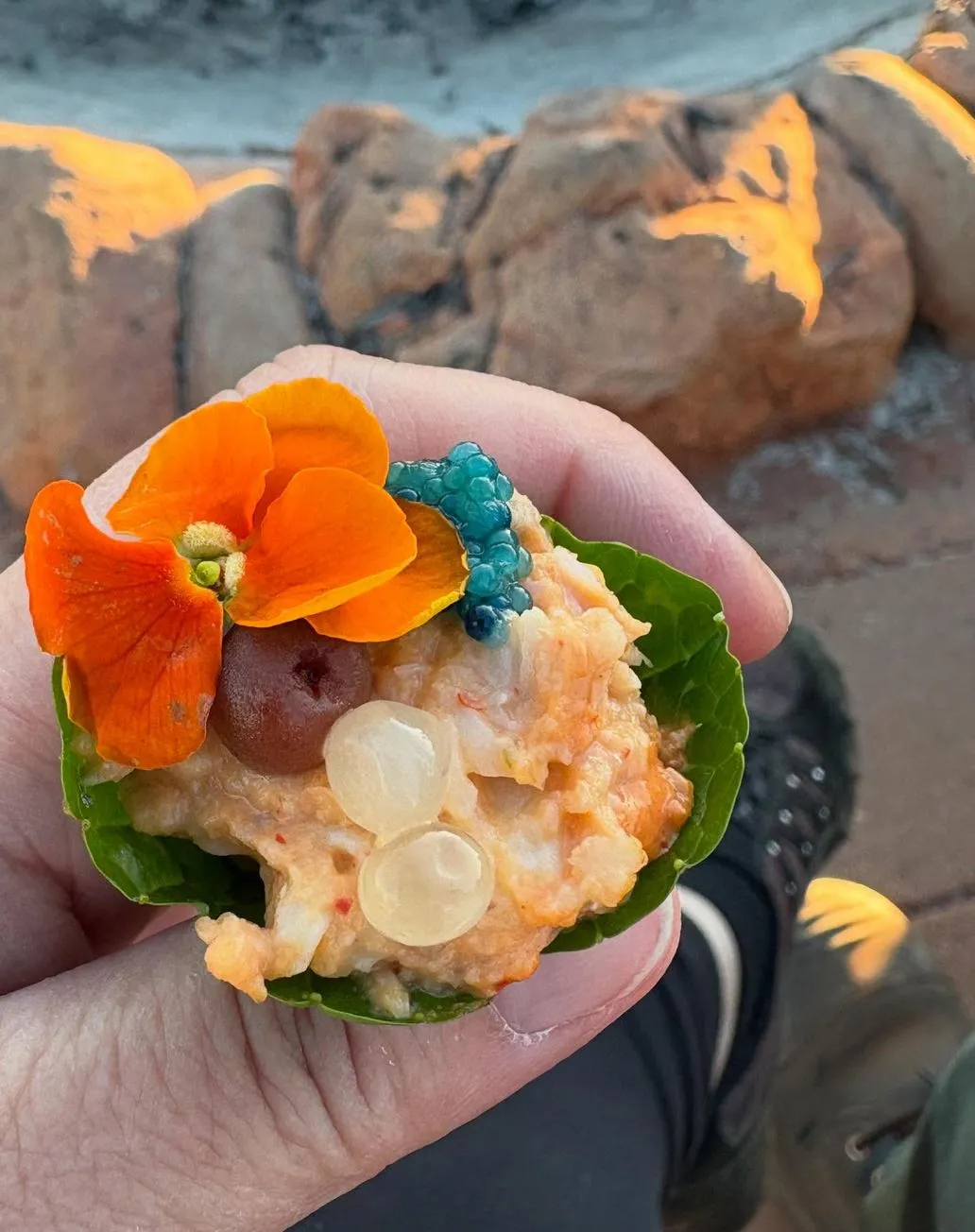
To the indigenous people of Central Australia — especially the Anangu, Traditional Owners of Uluru-Kata Tjuta — bush tucker is far more than a meal. It’s a living link to Aboriginal life, law and the Dreaming. Long before supermarkets and modern kitchens, Indigenous staff and families gathered foods that sustained entire communities through harsh desert seasons.
Under Australian law, these practices are recognised as part of cultural heritage — and learning about them respectfully helps keep those traditions alive. When you eat Indigenous-inspired dishes, you’re part of that legacy, even if it’s just a taste of kangaroo tail or a spoon of wattleseed ice cream.
Bush tucker includes everything from wild game to bush medicine made from desert plants. Every bite, leaf or brew carries thousands of years of knowledge — the kind of knowledge that can’t be written in cookbooks.
Where to Experience Indigenous Flavours
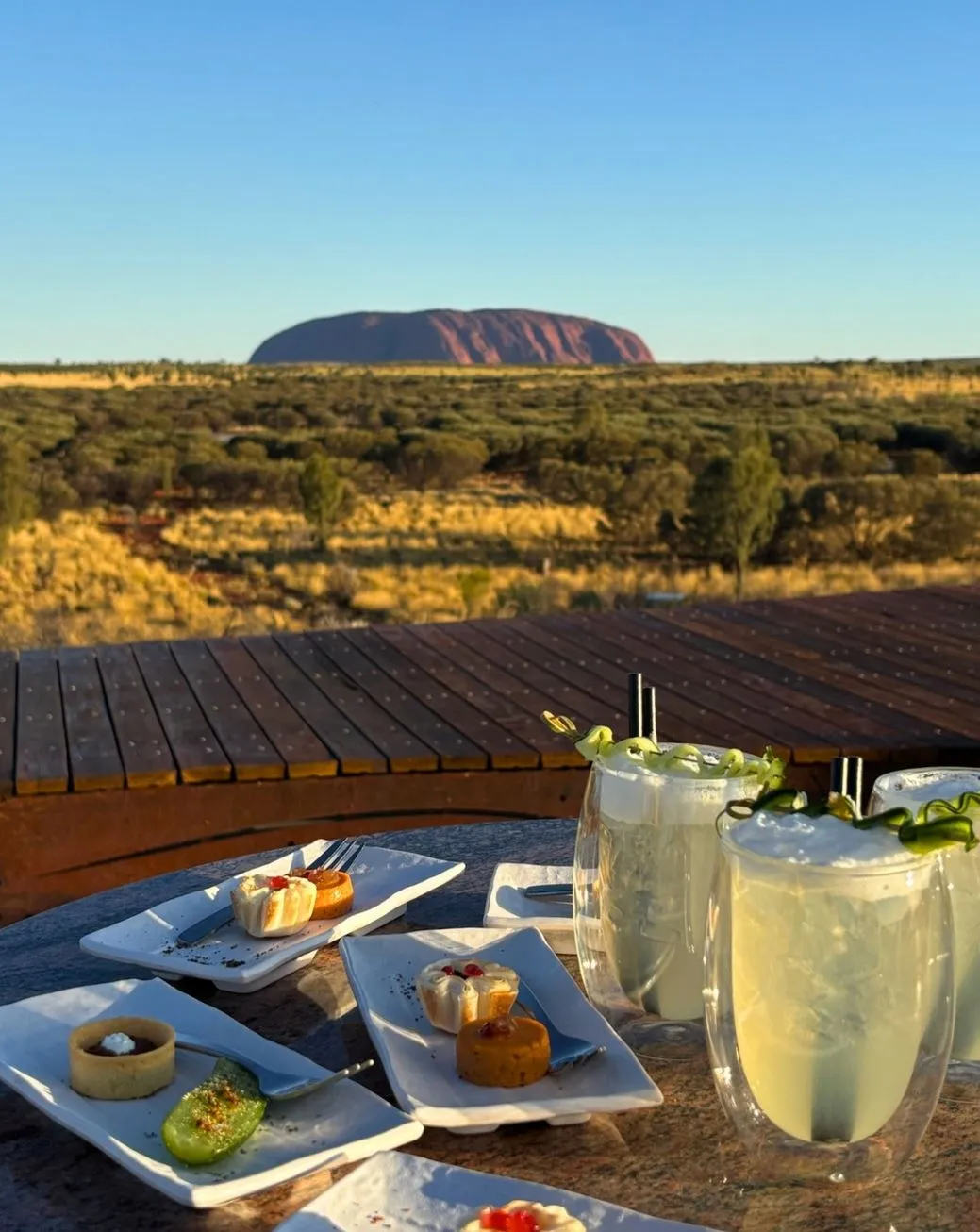
So, where do you go if you want to experience real bush flavours — not tourist-trap meals with native herbs sprinkled on top? Here’s where the magic happens.
| Experience | What You’ll Get | Price Range | Insider Tip |
|---|---|---|---|
| Tali Wiru | Fine-dining experience under the stars with native ingredients, premium wines, and Indigenous-inspired dishes | $$$$ | Only 20 guests per night — book early |
| Sounds of Silence Dinner | Buffet dinner featuring bush spices, emu, and Aussie beer under a blazing Milky Way | $$$ | Arrive before sunset for that golden-hour glow |
| Arnguli Grill & Restaurant | Local menu with kangaroo fillet, wattleseed pavlova, and finger lime dressing | $$$ | Ask the Indigenous staff for pairing suggestions |
| Bush Tucker Walk (Ayers Rock Resort) | Guided cultural walk explaining bush medicine, food gathering, and honey ants | $$ | Great for families — includes tastings |
| Uluru Camel Tours Bush BBQ | Camel ride followed by classic Outback dining with crocodile skewers and lemon myrtle sauce | $$ | Go at dusk for the desert’s best light show |
You can also combine some of these dining experiences with the 4 day Alice Springs Uluru Tour, which includes Outback barbies, gazing up at the stars, and the chance to try native ingredients cooked over hot coals the way the old timers used to do.
Each spot’s unique in its own way – from eating under a canopy of stars to listening to tales of the bush around an open fire, with a local guide to keep the conversation going. And yeah, you can grab a cold Aussie beer to go with your kangaroo steak – that’s part of the fun.
Learning From the Land With Indigenous Guides
One of the most powerful ways to get a real feel for bush tucker is by connecting with Indigenous staff and local guides who share the stories of their Country firsthand. These experiences are about way more than just dinner – they’re about sharing cultures.
You’ll get to see how honey ants are dug out of the ground, still glistening with dew in the desert sun. You’ll learn how some plants can be used as medicine to fix a cough or skin irritation, and you’ll hear the stories behind how these ingredients tie into the stories of creation and survival that make up the spiritual heart of Aboriginal life.
Many of these tours are run by Indigenous-owned operators – and by booking with them, you’ll be putting your money straight back into the community, helping keep languages, traditions and livelihoods alive. That’s what makes travel to the Outback so special.
Outback Flavours You Need to Try
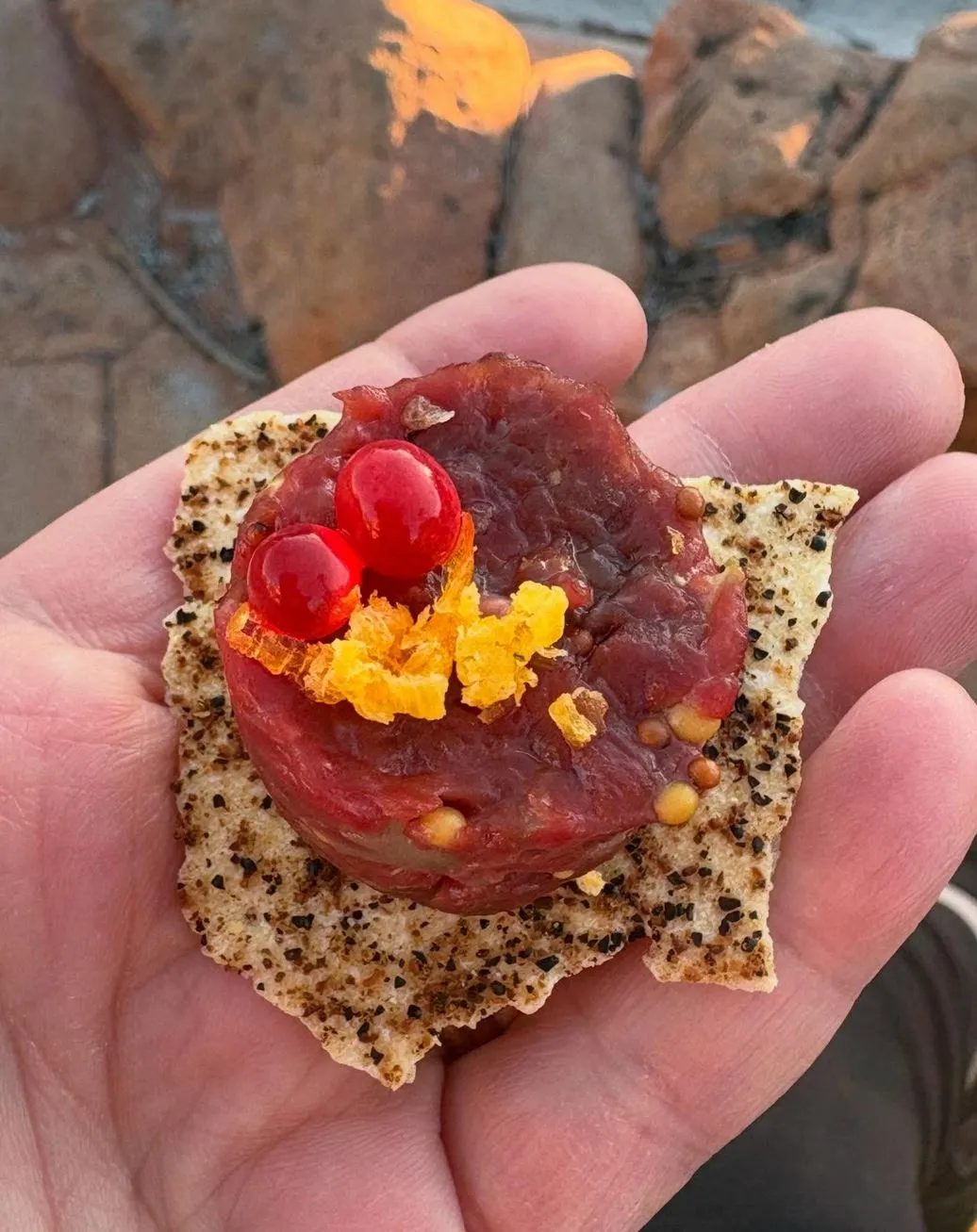
The bush tucker menus around Uluru are a real treat – they blend ancient knowledge with some seriously modern creativity. You’ll find Indigenous-inspired dishes that celebrate the resilience of native ingredients – from seeds to seafood.
Some of the bush tucker foods you’ll want to try are:
- Kangaroo – high in protein and low in fat, best grilled medium-rare.
- Emu – gamey, rich and often smoked or served up with a bit of pepperberry.
- Crocodile – mild and firm in texture, often grilled with native herbs.
- Honey ants – found underground, and these things are seriously sweet.
- Quandong – a tart desert fruit that’s perfect for making chutneys or pies.
- Wattleseed – earthy and nutty; adds a real depth to breads and desserts.
- Finger lime – tiny little citrus pearls that burst with zesty flavour.
- Saltbush – adds a natural saltiness to roasted meats.
- Macadamia – our famous nut, buttery and rich, perfect for snacking
People on the 4-Day Alice Springs Uluru Tour often get to try a few of these ingredients during traditional cooking demos, which are led by Indigenous hosts who share the stories behind each dish.
Bush Medicine – You Can’t Taste The Healing
A lot of people think bush tucker is all about the taste – but not all of it. There’s another side to bush food, one that’s still practised in the desert today. Locals are using desert plants to make their own medicines—from the antibacterial leaves of emu bush to the sap of spinifex, which soothes sore skin. You might see guides on a cultural tour crushing leaves between their palms to release their oils—or brewing teas to treat colds and infections. And let’s be honest, these traditions are more than just ‘alternative remedies’ – they’re a way of life that’s been officially recognised as part of our cultural heritage.
Climate and Culture Shape Every Single Menu
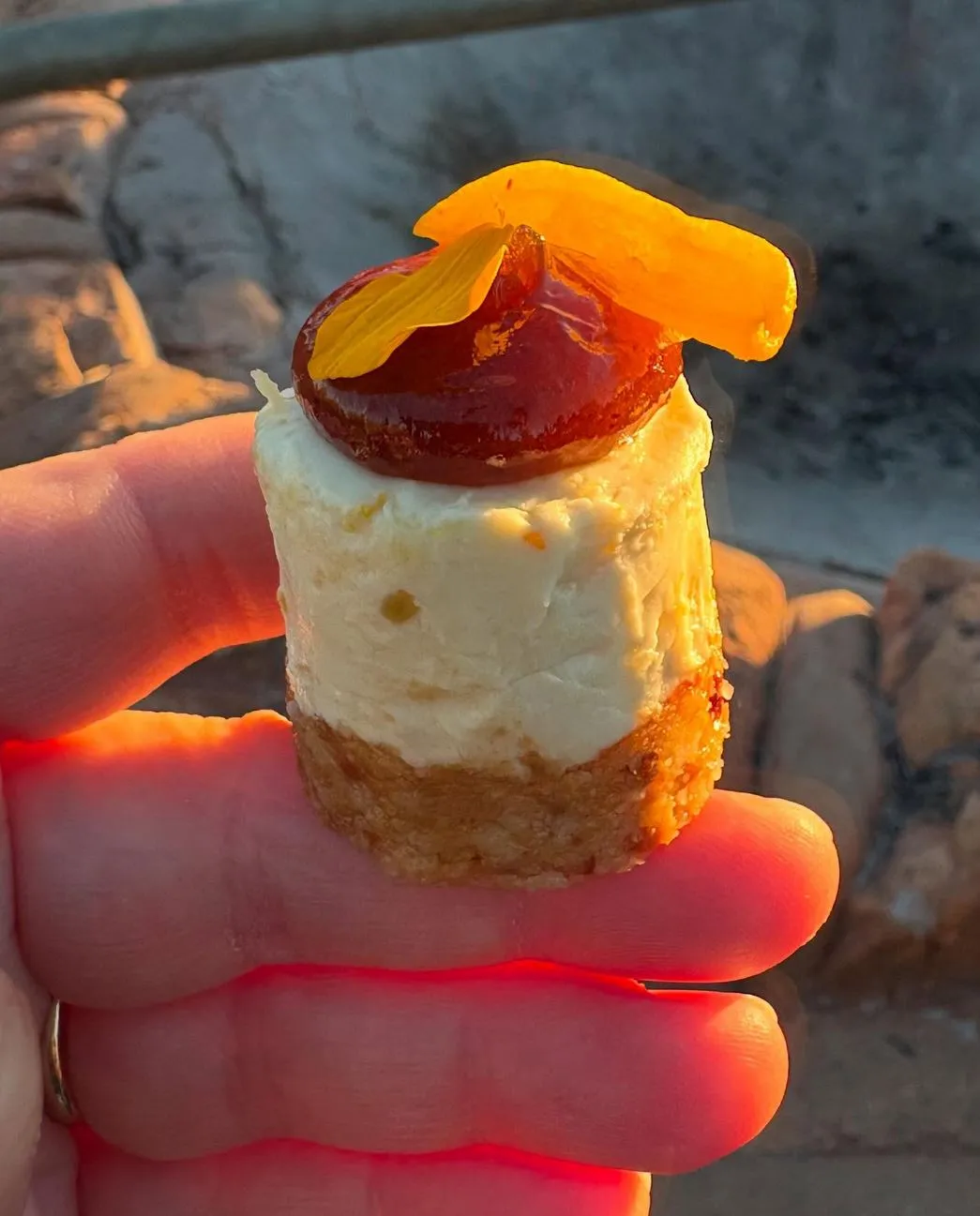
Out here in the desert, the conditions are pretty extreme – so the food’s had to adapt. With hardly any rain at all and annual totals of less than 284 millimetres, chefs in the Red Centre have to get creative with what they’ve got. Every native ingredient, from desert raisins to witchetty grubs, has found a way to survive where others can’t.
That’s why the chefs at Uluru have started blending traditional bush food knowledge with modern cooking techniques to create dishes that fit the rhythm of the land. When it’s dry (May to September) the menus are full of fresh bush fruits, but when it’s wet (October to March) they go for preserved ingredients and wild herbs. It’s a really sustainable approach to food that modern kitchens could learn a lot from.
Keeping it Real with Indigenous Cuisine
The business side of native foods is going crazy – but it’s at a bit of a crossroads. According to AgriFutures Australia, if things keep going, the bush foods sector could be worth $50 million in a decade, but only if Indigenous communities are at the heart of it all.
That means businesses need to do more than pay lip service to Indigenous issues. They need to actually hire Indigenous staff, source their ingredients from Aboriginal growers, and, most importantly, acknowledge the land in everything they do. That’s not optional – it’s essential to keeping indigenous cuisine real and fair. When you support Indigenous-owned dining or tours, you’re doing more than just getting a taste of the Outback – you’re helping communities thrive on their own terms.
Tasting the Bush for the First Time
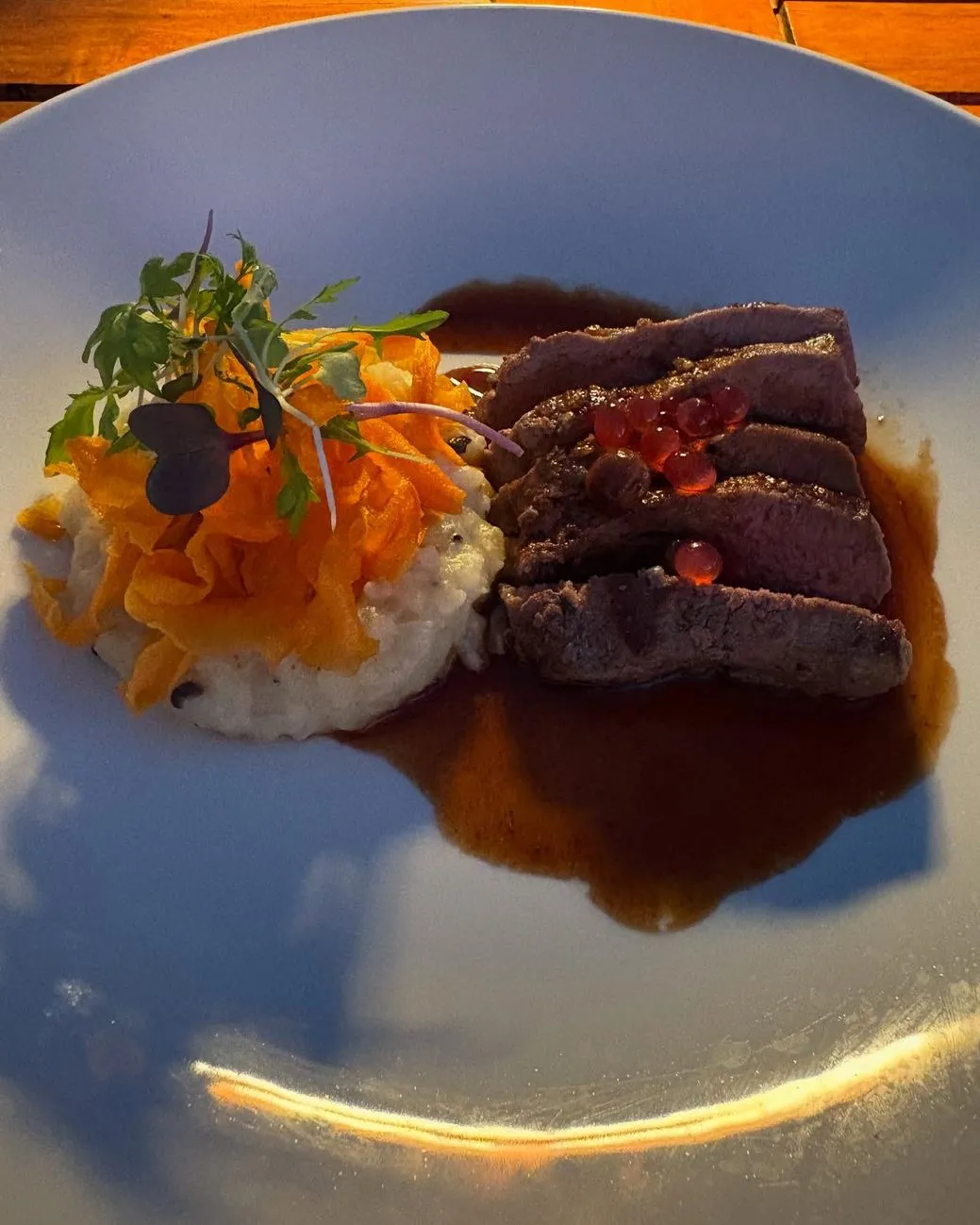
Years before I launched Get Lost Travel Group, I was lucky enough to join a tiny desert tour crewed by a local woman named Tjintu. We spent an evening cooking up a kangaroo tail over a roaring open fire, and then she taught us how to carefully hand-pick honey ants – we were taught to do it gently and with respect, never taking more than we needed to leave some for the next day. Later on, she showed me a simple trick to make a bush medicine tea from leaves she picked right from the desert.
That wasn’t exactly fine dining on fancy plates with a glass of wine in hand – but it was definitely the most memorable meal I’ve ever had. That’s the real secret to Outback dining: making a connection with the land, building a community around a meal, and having some humility—you eat what the land gives you and you’re bloody grateful for every mouthful.
Some Quick Tips for Outback Foodies
Before you go chasing after wattleseed and bush tomatoes, have a squiz at these tips from someone who knows:
- Get in early – the good Outback diners get booked up months in advance.
- Respect the land – never go foraging without permission; not only is it against the law in Australia, but it’s just plain rude to the Country.
- Don’t get caught out—the desert sun cares nothing for your dinner plans, so drink plenty of water.
- Ask the locals – our Indigenous guides and staff love sharing stories about the bush, the land and the recipes – just ask ’em.
- Pair it right – a cold Aussie beer or a local gin with a smoky kangaroo steak is always a winner.
If you’re on the hunt for a trip that combines food, culture and adventure, the 4-Day Alice Springs Uluru Tour is pretty hard to beat. It mixes traditional bush tucker tastings in with visits to sacred sites and community-led talks and workshops, weaving it all together in a really good way and giving you an insight into the rich history and culture of the area.
The Last Word
Bush tucker isn’t just some touristy gimmick – it’s a living, breathing culture that happens to be served up on a plate. It’s all about stories, scraps-survival and respect – the whole shebang – told through native ingredients and Indigenous cooking that’ve been keeping people fed for centuries.
So the next time you’re in Uluru, give the buffet a miss and book yourself in for a starry night dinner under the desert sky. Ask heaps of questions, give everything a go, and raise a cold one to the world’s oldest living food culture – cheers.
And if you really want to get in on the action, like how we do it at Get Lost Travel Group and Uluru Ayers Rock Tours, come on one of our Red Centre adventures. We’ll give you a taste of the real deal – not just a quick look around the Outback – the real heartbeat of it all.
FAQ
Can you do bush tucker if you’re a veggie?
Absolutely – heaps of Indigenous-inspired dishes are based around fruits, nuts and seeds – think wattleseed damper or quandong relish.
Can you just go out and gather bush foods around Uluru at will?
No way, mate – under Aussie law, this place is protected land. Only Traditional Owners and the right guides have permission to go get food there.
Is bush tucker good for you?
It’s a total no-brainer—these native ingredients are low in fat and packed with goodness—basically the original clean-eating menu.
Can I pick up some bush spices or teas to take home?
Yep – you can grab all that sort of thing at the Cultural Centre or some of the Indigenous-run stores. Just make sure to look out for products made by Aboriginal businesses so you’re giving some love to the local community.
What’s the best time to head out for an Outback dinner?
If you’re after some perfect star-gazing and clear skies, May to September’s your best bet – cooler nights and all that.