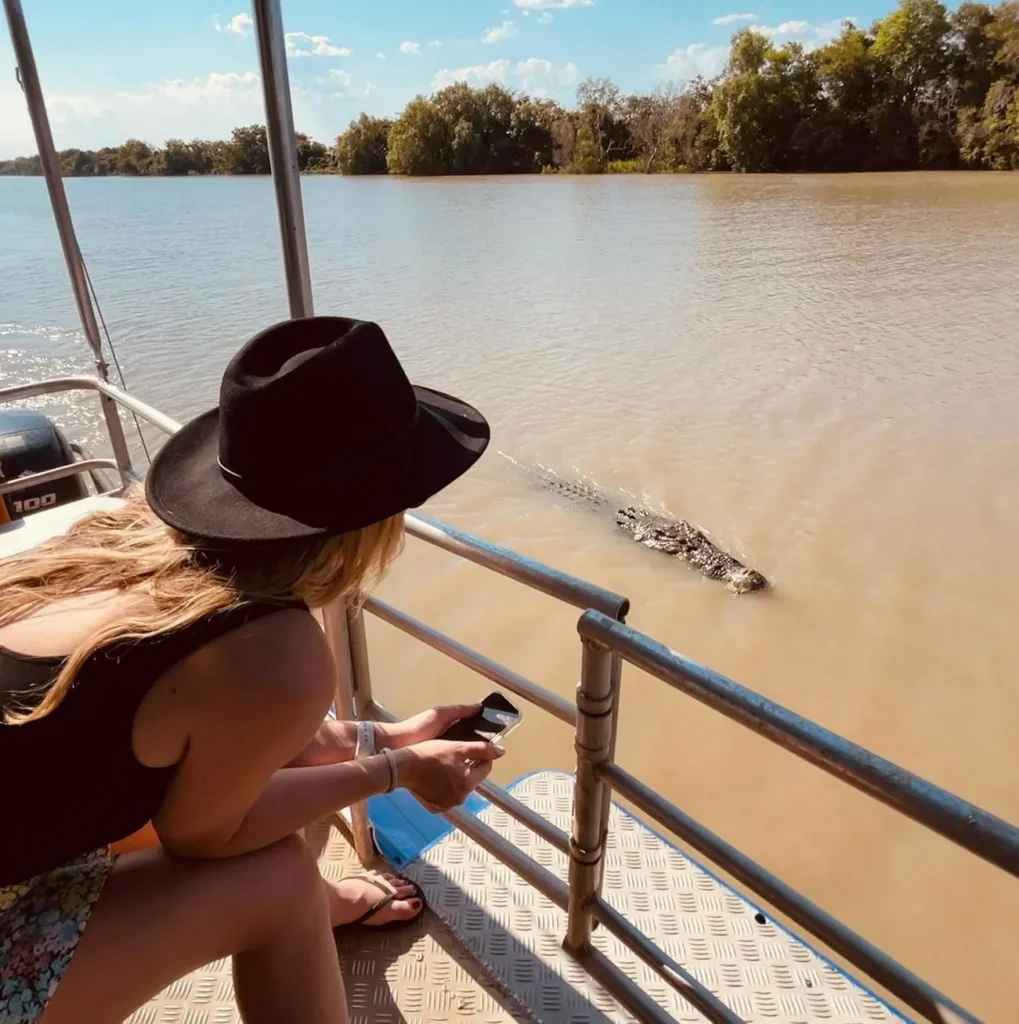
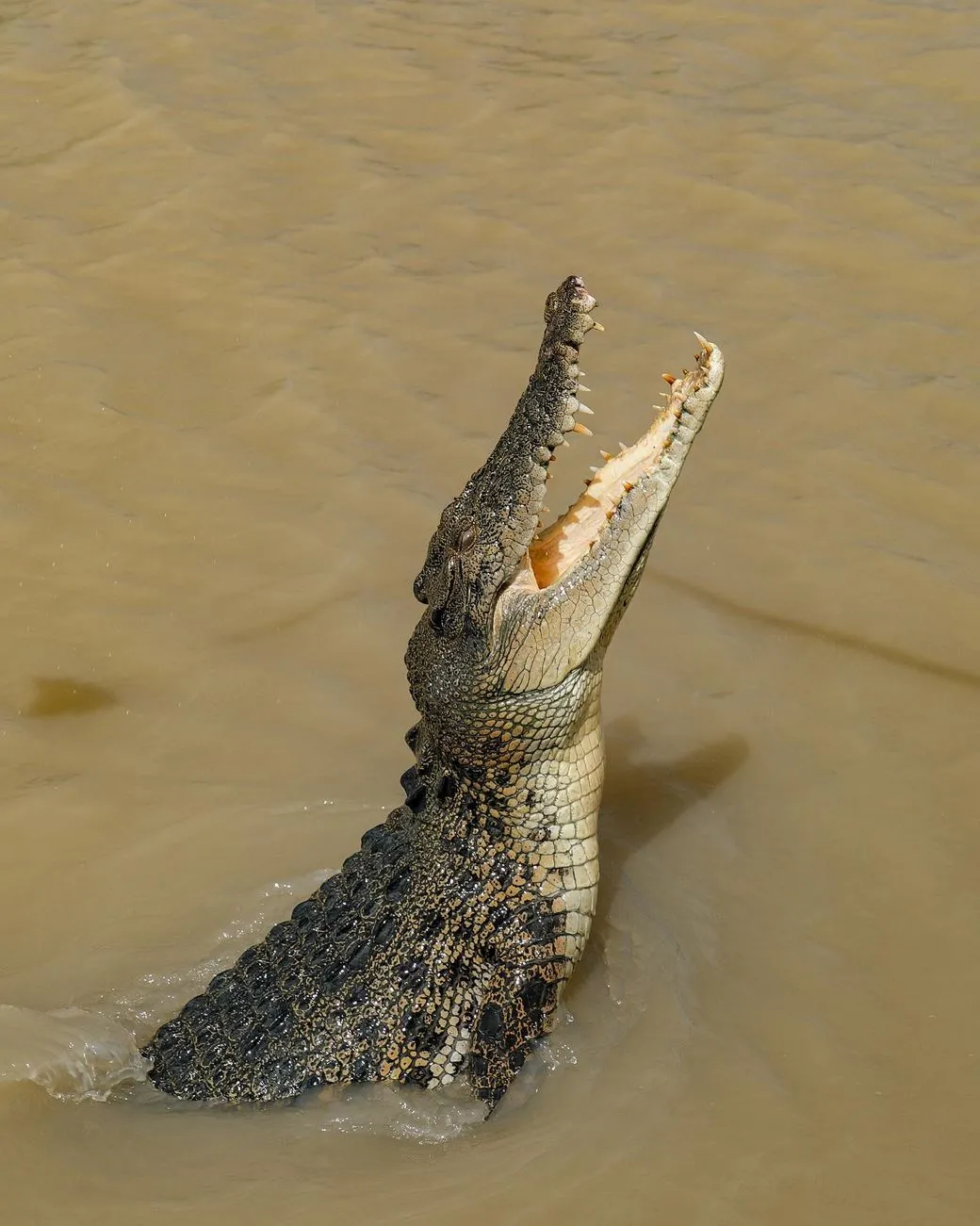
The question: Do Guides Cover Conservation and History, or Is It Just a Show — Like the Jumping Crocodile Cruise? pops up every dry season when travellers line up for a Jumping Crocodile Cruise along the Adelaide River. You see that massive saltwater crocodile rise from the natural habitat of the Top End floodplain ecosystem, and you can’t help but ask — is this a wildlife experience or just entertainment dressed up as conservation?
I’m Paul Beames, and after decades working in Australian tourism, I’ve seen the good, the dodgy and the downright jaw-dropping. Some guides treat the Australian saltwater crocodile with reverence — weaving in conservation lessons and Dreaming stories. Others, well, they’re more about the splash than the story.
Let’s pull back the curtain on crocodile cruises and ask what travellers are really learning — and whether the Jumping Crocodile Cruise has evolved into something more than a show.
How the Croc-Jumping Craze Took Off
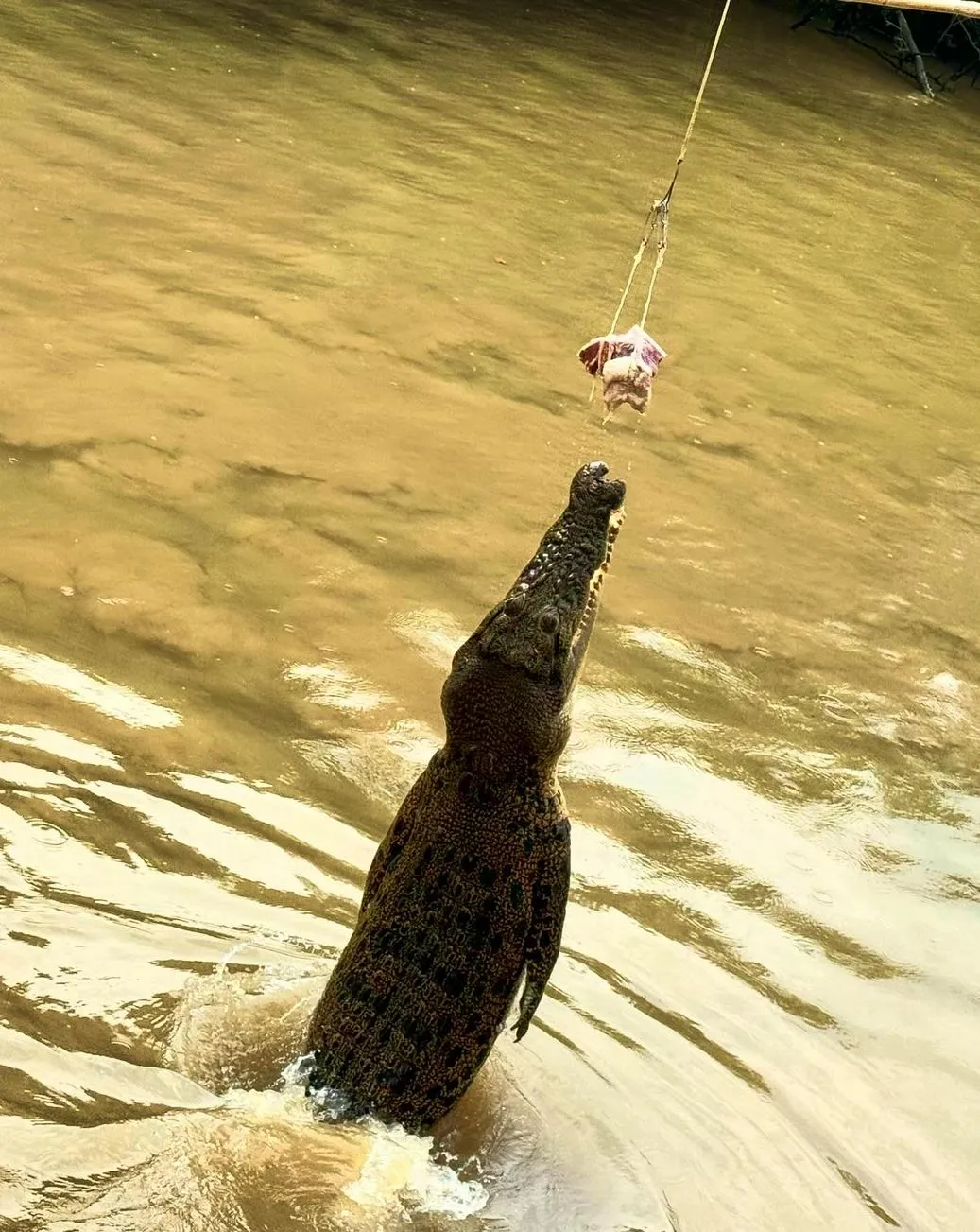
The famous Jumping Crocodile Cruise began as a local experiment in the early 1980s. A few Territory fishers noticed that tossing bait near the boat brought big crocs launching out of the saltwater. Before long, word spread and by the 2000s, it had become one of the NT’s signature wildlife encounters.
Today, more than 75,000 people take a crocodile cruise each year. Some hop aboard bare-bones tinnies; others book the fully-fitted vessels with shaded upper decks, snack bars and toilet facilities. The views are brilliant — long golden river stretches framed by pandanus and paperbark — but the real question is: are these tours helping visitors understand the floodplain ecosystem or just feeding the spectacle?
The Fine Line Between Showmanship and Stewardship
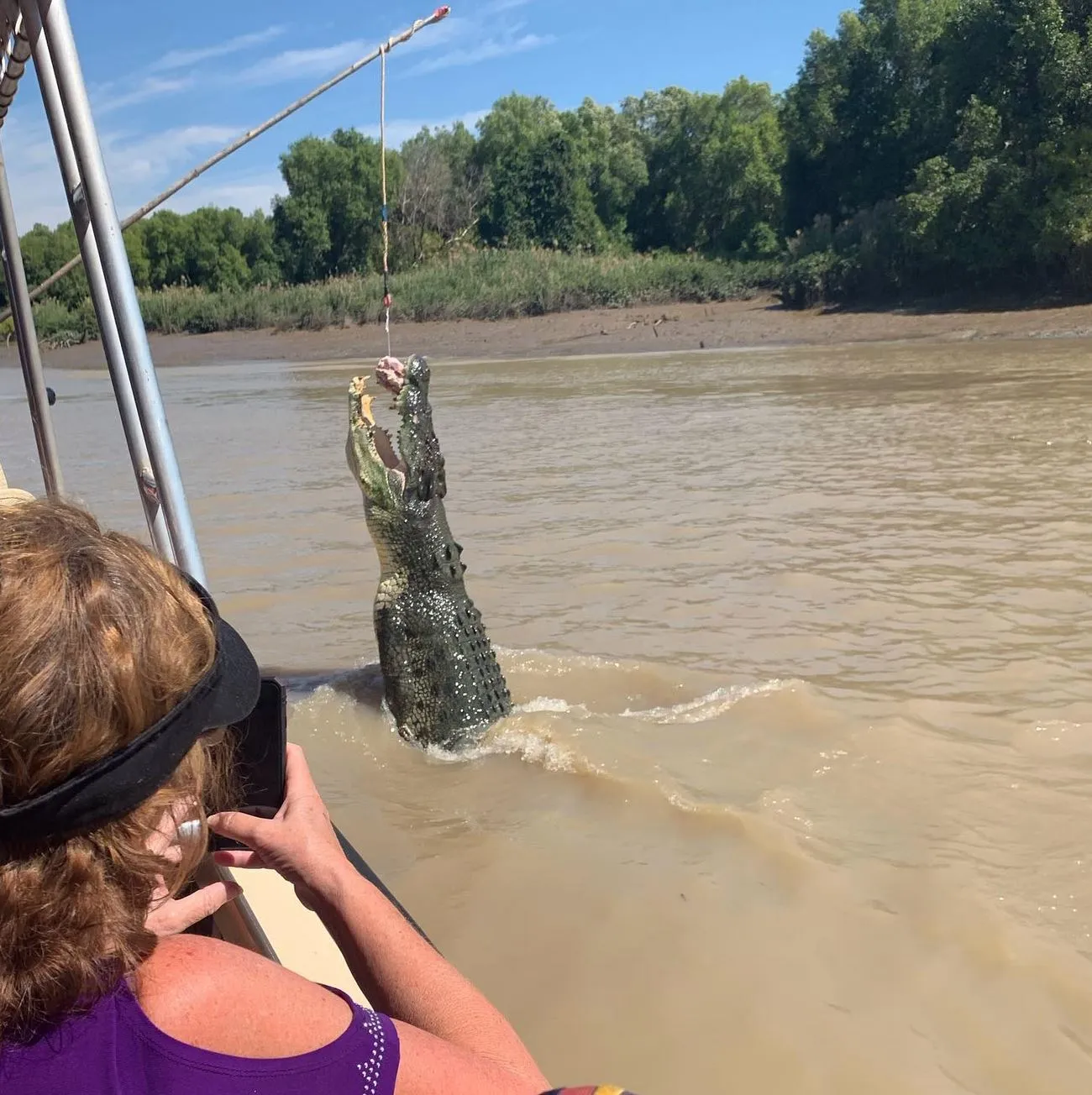
Every Jumping Crocodile Cruise sits somewhere between education and entertainment. The showmanship — that dramatic leap from the water — is pure Top End theatre. But the stewardship? That’s up to the guide. Some operators nail it, balancing thrill and thought. Others, less so.
Here’s a look at how different tours stack up:
| Type of Tour | Main Focus | Typical Duration | Educational Value | Conservation Effort |
|---|---|---|---|---|
| Jumping Croc Cruises (Adelaide River) | crocodile feeding and jumping displays | 1 hour | Moderate (guide-dependent) | Variable |
| Crocodylus Park (Darwin) | Crocodile conservation & breeding | 2 hours | High | Strong research focus |
| Mary River Eco Cruise | Wetland birds, floodplain ecosystems | 1.5 hours | Very High | Linked with NT Parks |
| Indigenous-Led Tours | Cultural storytelling | 2–3 hours | Exceptional | Deep Traditional Owners input |
Top Guides Make Conservation Come Alive
These top-notch guides – they don’t just stand there waving a bit of bait around. No way – they go deep into the science bit. You’ll learn how Australian saltwater crocodiles manage their body temperature, look after their nests & just how they run the river food chain.
They might give you a rundown on the NT’s amazing success story with crocodile conservation – how they went from just a handful of crocs back in the 1970s to say over 100,000 today. That all happened because of strict new laws to protect them & careful monitoring of the protected species.
Good guides are also well up on reptile risk – and they know all about environmental risks too. They’ll tell you why it’s a big no-no to feed wild crocs outside of the licensed zones, and how the government works to stop crocs getting the idea that humans are a food source. That’s the kind of conservation talk that turns a Jumping Crocodile cruise into something that’s actually educational.
What You Don’t Hear on Most Croc Cruises
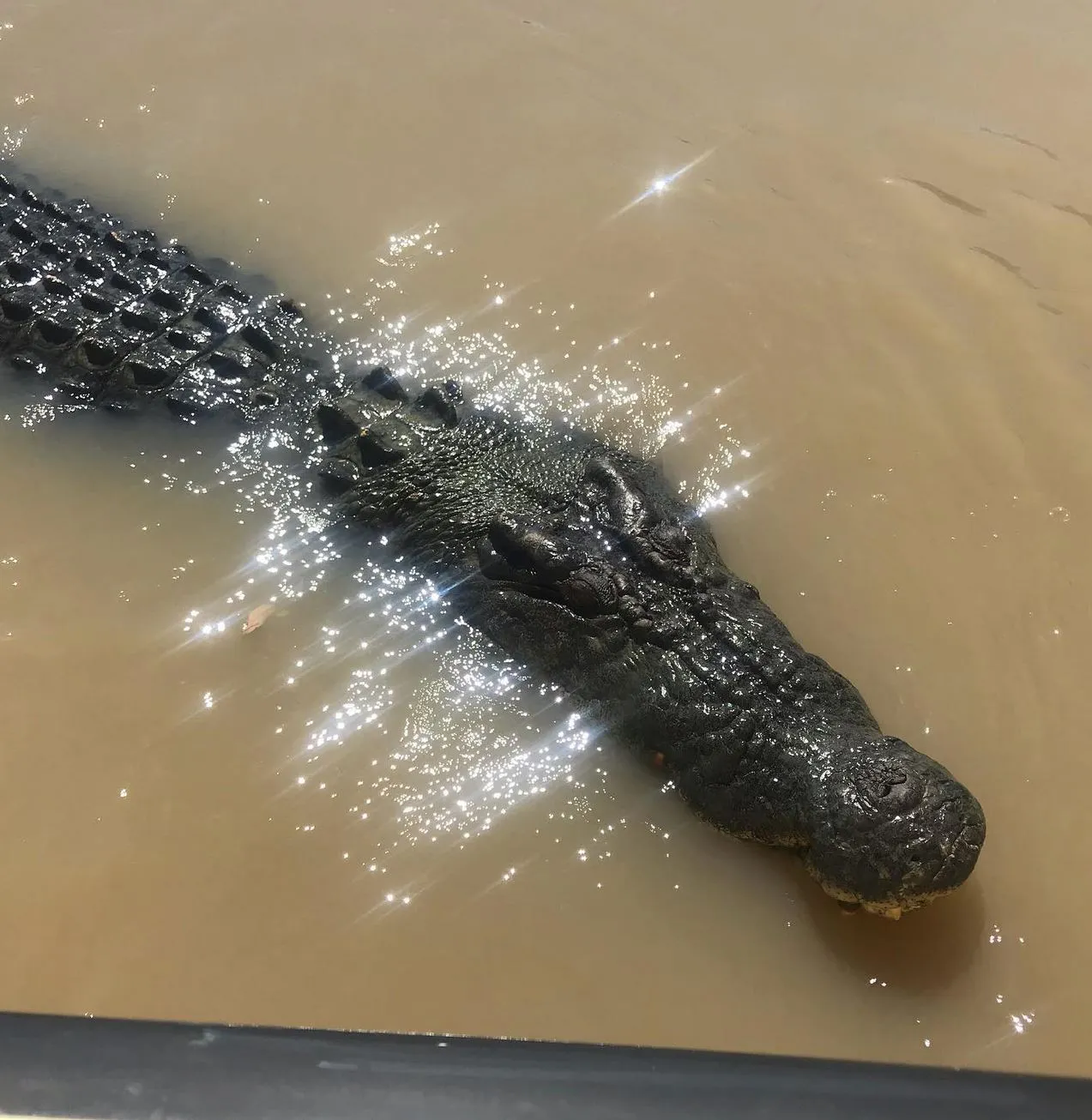
Of course, not every crocodile cruise plays by the rules. I’ve been on some tours where the guide’s commentary stopped at “look, there’s a big one coming!” and then you’re just left with splashes and squeals. Those operators might fill the boats, but they don’t exactly fill you up with knowledge.
Wild crocs get fed the wrong way too often in those places – it really alters their natural behaviour – and before you know it, you have troublemakers hanging around near the ramps and campgrounds. But licensed tours like the Jumping Crocodile Cruise stick to the rules – they have strict rules about the number of times they can feed them and when and how they do it – all in an effort not to cause any more harm.
The smarter operators also do a great job of highlighting what’s going on just around the crocs – the white-bellied sea eagles, magpie geese and whistling kites that all live in the same floodplain ecosystem. It’s not just a croc show, you know – it’s the whole food web on display – especially during the dry season when all the wildlife crowds the shrinking waterways.
What Travellers Really Want
Turns out, most people want more than a selfie with a six-metre saltie. A Tourism Research Australia survey found that 68% of NT visitors rank learning about Australian wildlife and conservation as a major motivator.
That’s why the best Jumping Crocodile Cruise guides have started blending ecology with entertainment. They tell stories of crocodile conservation, share Dreaming knowledge, and talk honestly about coexistence.
The average traveller’s curiosity is changing. They’re not just asking “How high can it jump?” anymore — they’re asking why it matters, how it fits into the natural habitat, and what we can do to keep both crocs and humans safe.
How to Spot a Genuine Eco-Educator (Not a Performer)
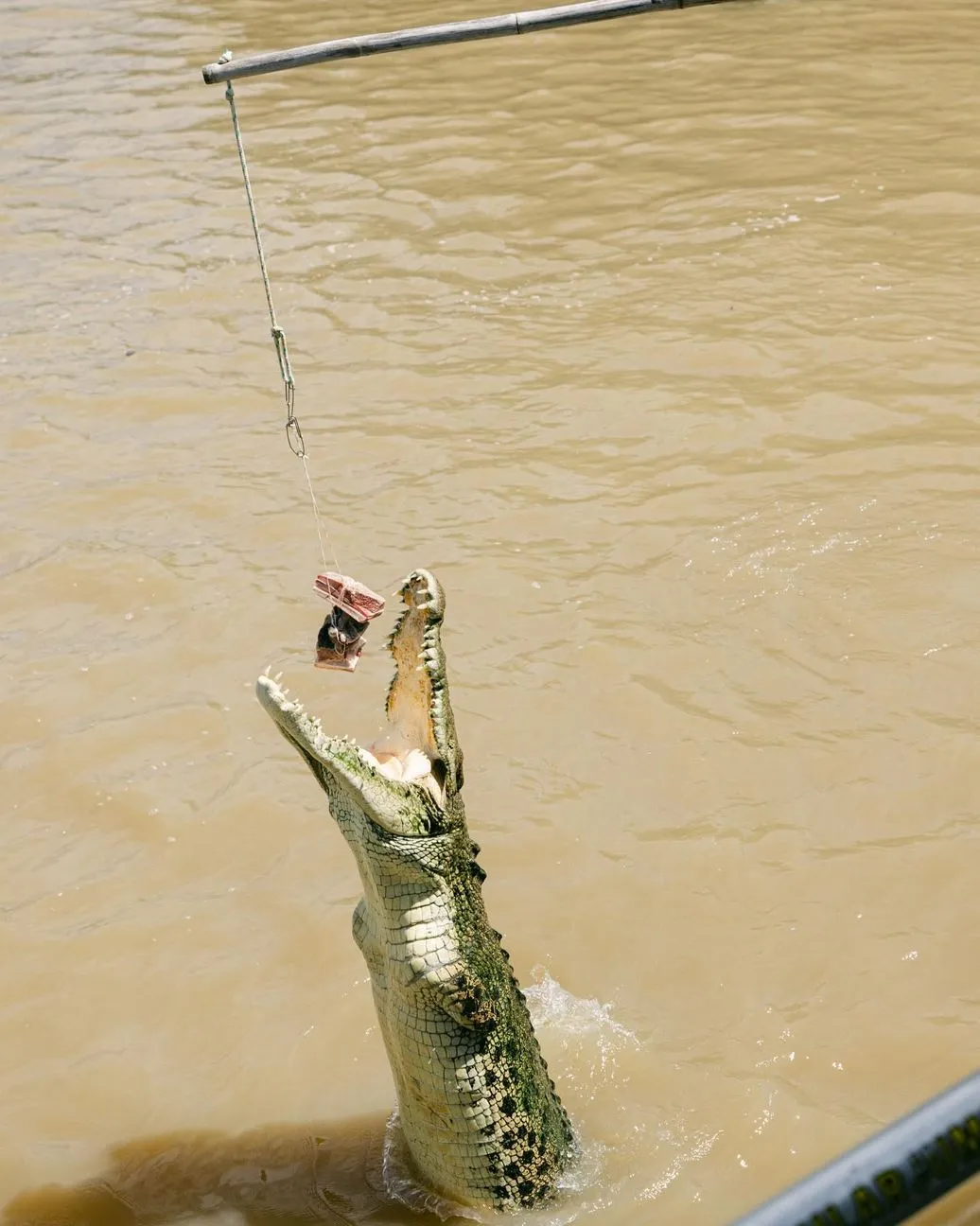
You can usually tell within five minutes if your Jumping Crocodile Cruise guide is the real deal. Here’s my quick checklist:
Signs of a quality, conservation-minded guide:
- Acknowledges Traditional Owners and cultural protocols
- Talks about crocodile management and recovery programs
- Points out birdlife like magpie geese and sea eagles
- Explains environmental risks and safety zones
- Welcomes all your crocodile questions with patience
Red flags that it’s just a show:
- Constant baiting to force jumps
- No mention of crocodile conservation or culture
- Loud background music or canned commentary
- Dismisses scientific or cultural queries
- Feeds crocs near public boat ramps
If your guide sounds like they’ve spent years on the river rather than reading from a script, you’re in good hands.
Where to Find the Best Croc Tours With a Conscience
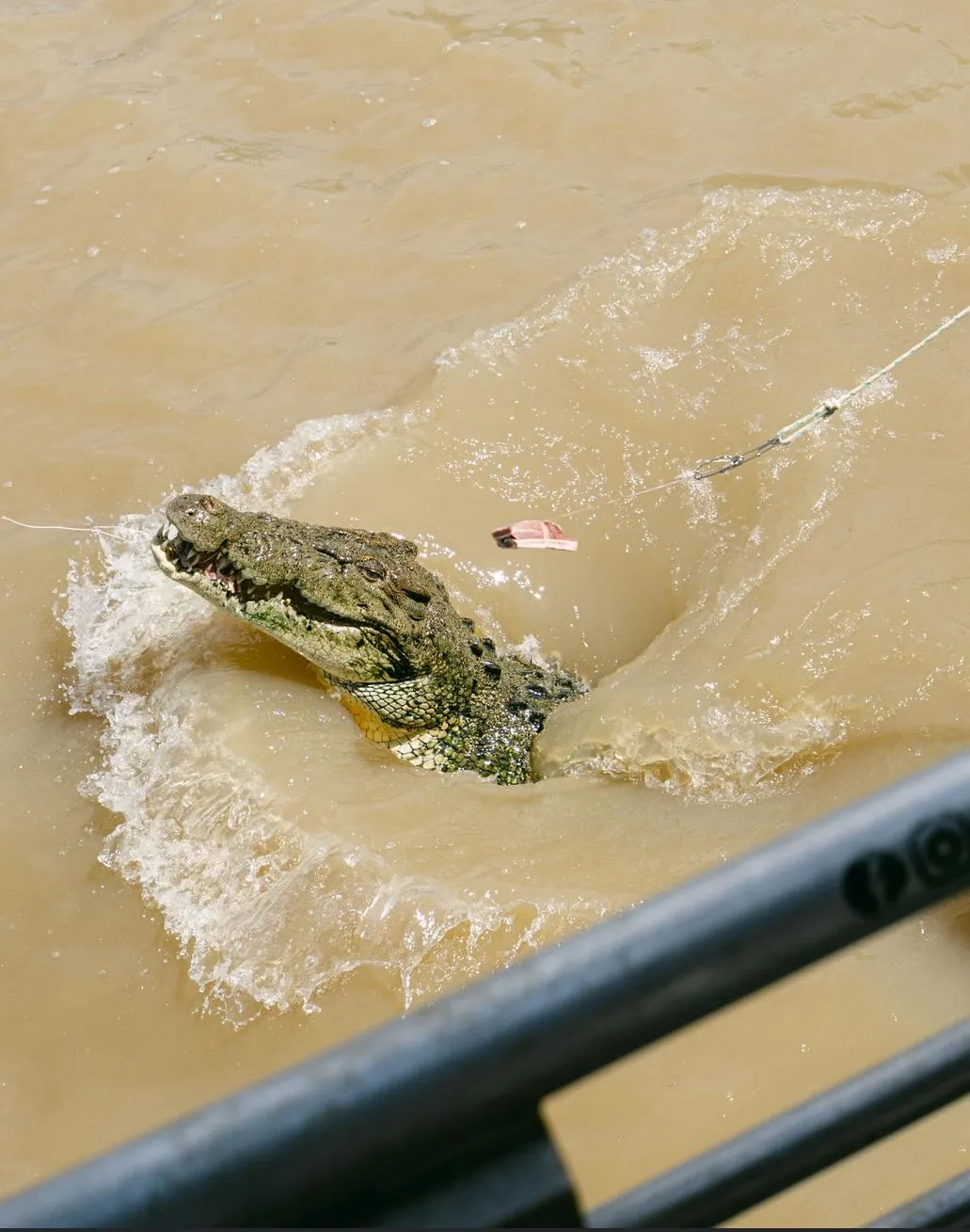
There’s no shortage of ways to see salties up close — but only a few that blend excitement with ethics. Here’s where I’d steer you:
- Jumping Crocodile Cruise (Adelaide River): The original and most famous operator. When run by experienced guides, it offers a thrilling yet respectful view into the world of saltwater crocodiles.
- Mary River National Park: Known for quieter crocodile cruises that emphasise birdlife, mangrove habitats and floodplain ecosystems.
- Crocodylus Park (Darwin): Part zoo, part research centre. Visitors learn about crocodile feeding, breeding and tagging programs that protect the species.
- Yellow Water Billabong (Kakadu): Guided tours with Bininj hosts explaining cultural law, wetlands ecology and protected species care.
- Nitmiluk Gorge (Katherine): Cultural cruises with Jawoyn guides.
All of these offer what the Jumping Crocodile Cruise started — excitement and education.
Behind the Scenes of a Croc Cruise
Running a safe and proper crocodile cruise isn’t just about having a strong stomach, though that doesn’t hurt either. What really matters is that operators are doing their due diligence on the back end – from carrying out thorough reptile safety assessments to working with the NT Parks to keep an eye on croc populations. Some places even go so far as to track individual crocs over seasons to ensure they’re not disrupting the natural habitat too much.
Most boats have tiny ticket offices set up, which also act as little museums – full of all sorts of cool stuff like skulls, nesting photos & maps showing the croc management zones. Meanwhile, in the background, real-life biologists & rangers are on the job, collecting data, tagging baby crocs, & rushing to the scene when they get a report of a stray croc near a populated area.
So next time that Jumping Crocodile Cruise guide tells you some facts about a crocodile’s age, size, or breeding range, don’t just think of it as some old bloke spinning a yarn; that’s actual science at play.
The Real Power Of A Great Guide
A good guide does more than just show you a saltwater crocodile – they make you actually care about the thing. When you hear that a female croc will guard her nest for months, or that her babies call out before they even hatch, it starts to sink in.
That’s why I tell all the new guides at Get Lost Travel group – “Don’t just be entertaining – educate the buggers”. Anyone can show you a croc jump, but not everyone can tell you why that moment is important – how these animals have survived ice ages, colonial hunting, & habitat loss to end up still ruling the Top End waterways.
If the Jumping Crocodile Cruise leaves you thinking about balance & not just how to get the bait right, then that’s the mark of a real educator
Final Thoughts
So, do guides cover conservation and history — or is it just a show? The answer depends on the operator. A good Jumping Crocodile Cruise can do both: thrill you and teach you. The bad ones? They’re just splashing about.
The Australian saltwater crocodile is more than a spectacle — it’s a survivor, a teacher, and a symbol of balance in the wild. The best guides know that. They’ll talk about culture, ecology and crocodile conservation with the same passion they bring to the jumps.
If you’re heading north, look for the tours that do more than dangle meat. Find the guides who share stories, not slogans — the ones who love the river as much as the reptiles in it.
And if you’re not sure where to start, my team at Get Lost Travel Group can point you to operators — including the Jumping Crocodile Cruise — who get it right. Because real travel isn’t about how high the croc jumps; it’s about how deep the story lands.
FAQ
Are crocodile cruises safe?
Yes. Licensed tour companies like Jumping Crocodile Cruise follow NT Parks standards, including safe viewing distances, upper deck barriers and regular inspections.
Is crocodile feeding bad for the animals?
Licensed crocodile feeding under controlled conditions is safe. Unregulated feeding can create serious environmental risks and alter natural behaviour.
What’s the best time to see crocs?
Dry season (May–October) is prime time. Low water levels mean more crocs basking on the banks and clearer conditions for spotting.
What other wildlife might I see?
White-bellied sea eagles, magpie geese, jabirus and plenty of fish activity in the floodplain ecosystem.
Can I ask crocodile questions on tour?
Absolutely — in fact, good guides encourage it. A good Jumping Crocodile Cruise guide will turn every question into a chance to teach.