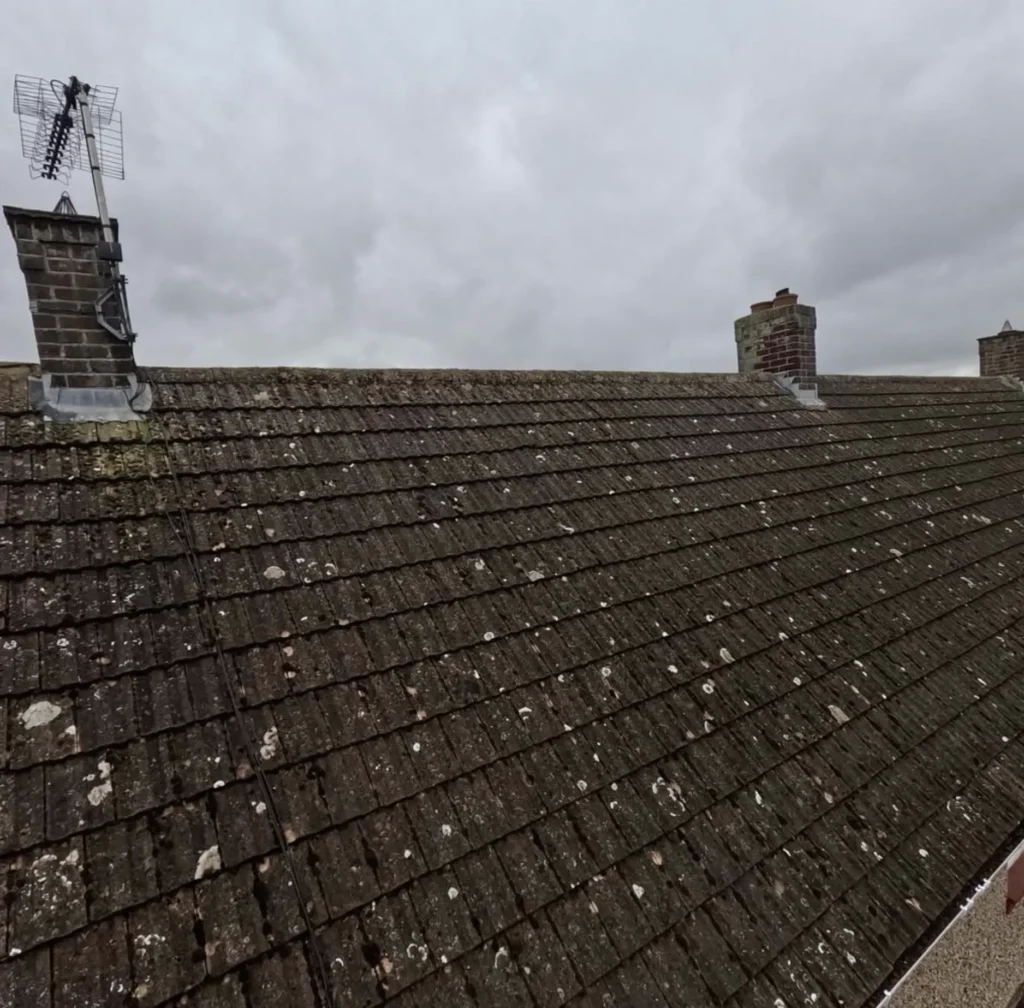
Roof cleaning isn’t just about looks. Regular roof cleaning removes the dirt, leaves, moss, algae, and other plant matter that can slowly kill your roof and shorten its life. Different roof types—concrete tiles, terracotta roofs, Colorbond roofs, or asphalt shingles—require different cleaning methods. That’s why using a professional roof cleaning service with the right equipment and knowledge is key. So, what does roof cleaning include?
Understanding Roof Cleaning
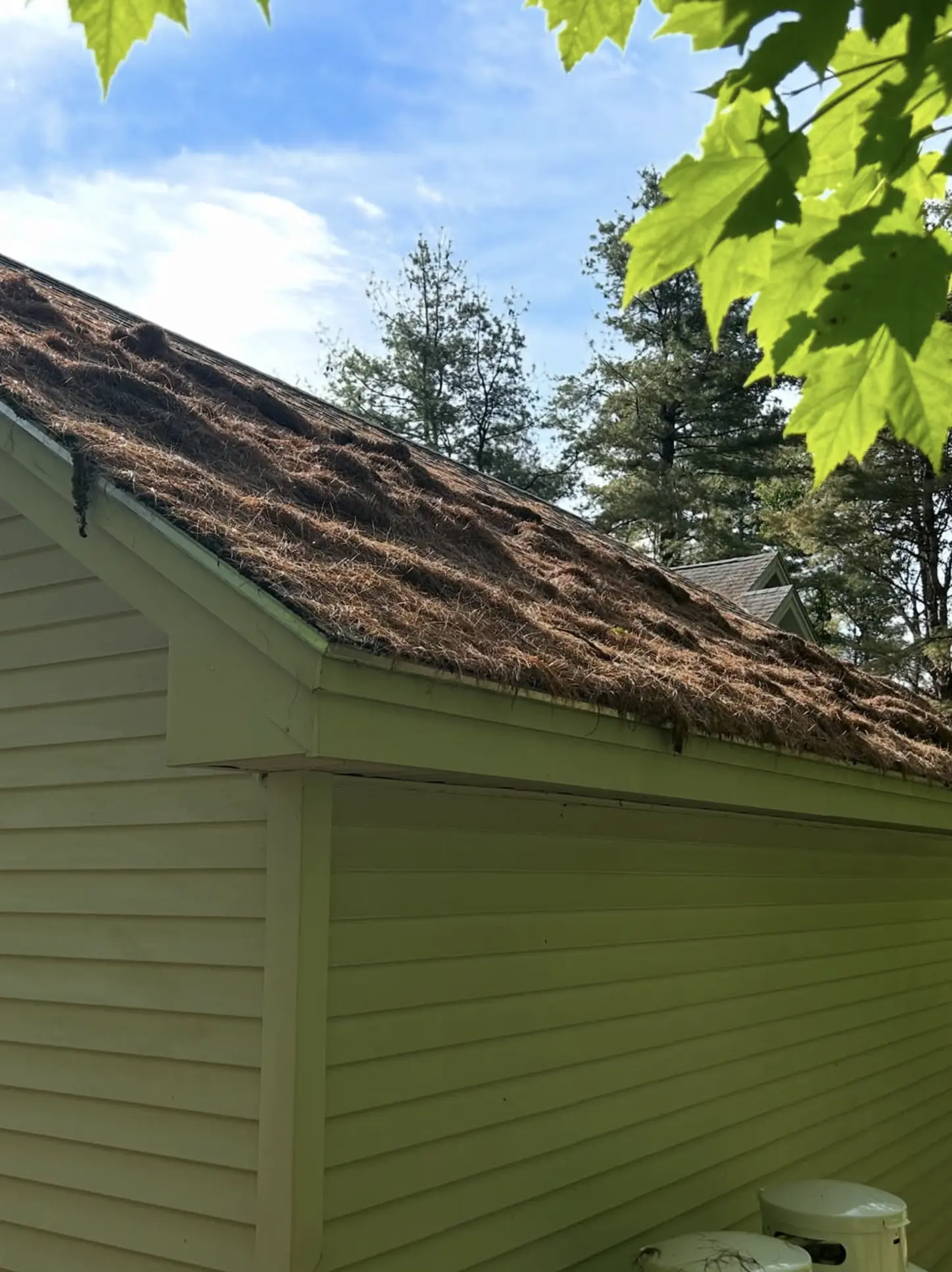
Roof cleaning is one of the most neglected forms of roof maintenance, but it’s essential for your home. A dirty roof can become home to moss, algae, and lichen over time, causing roof damage, degrading your roofing materials, and even leaking or requiring expensive repairs. Whether you have metal roofs, tile roofs or terracotta roof tiles, professional roof cleaning is an investment in your property’s curb appeal and structural integrity.
Homeowners looking for roof cleaning in Melbourne, you need to choose a service that understands the local weather, roof types and maintenance requirements.
The Process of Roof Cleaning
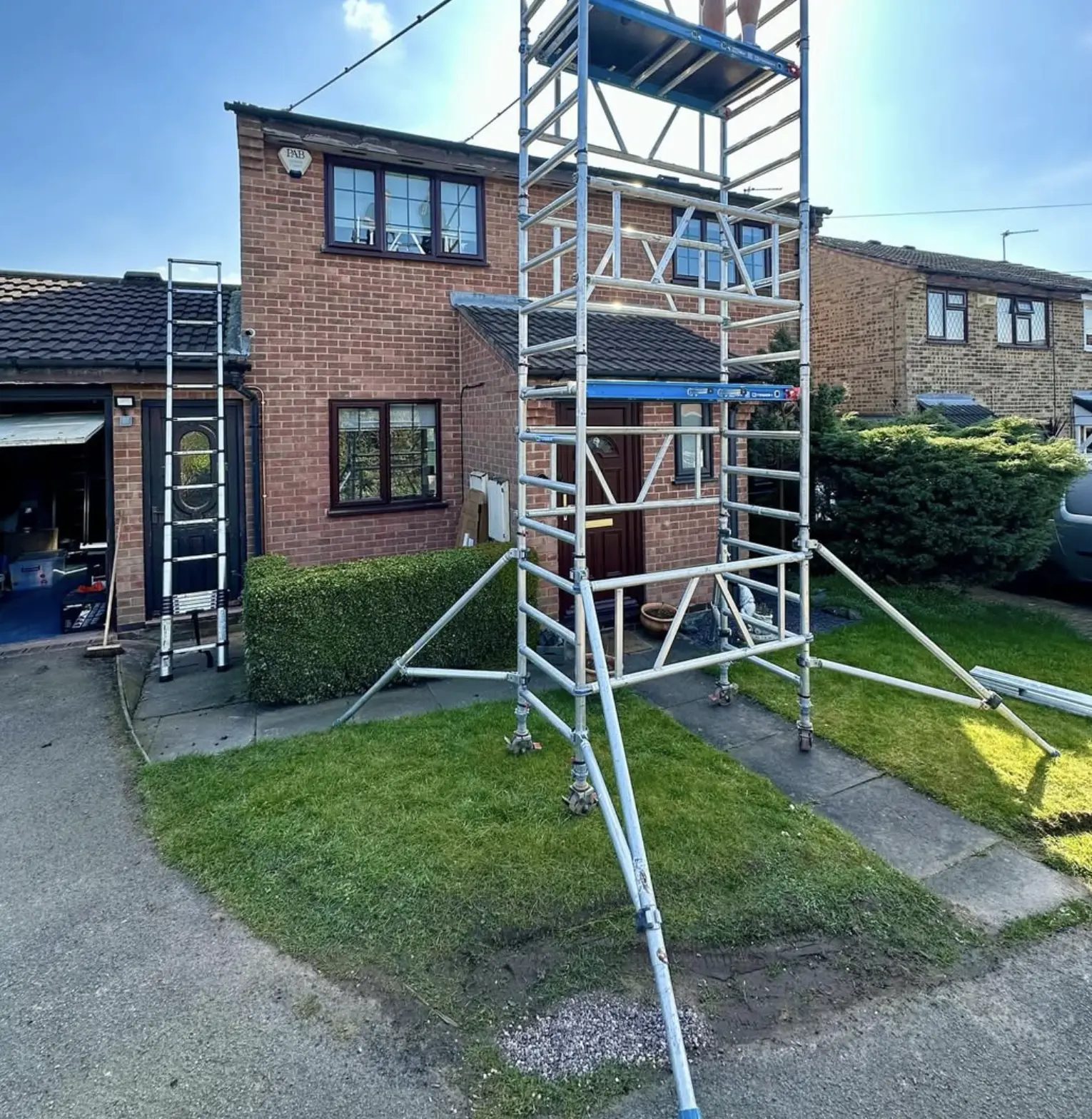
1. Initial Roof Inspection
Every job starts with a roof inspection. This step covers:
- Type of roofing material
- Amount of mould growth, algae growth, or bacterial growth
- Roof damage, loose roof tiles, or leaky roofs
- Safest and best methods based on your roof design and structure
Expert roof cleaners assess any damage and choose the right roof cleaning method for your specific roof structure and material.
2. Debris Removal
Before we start cleaning, we remove debris such as leaves, twigs and dirt using:
- Roof rake
- Step ladder
- Scrub brush or soft-bristled brush
Removing debris prevents further damage and prepares the whole roof for cleaning.
3. Moss, Algae & Lichen Treatment
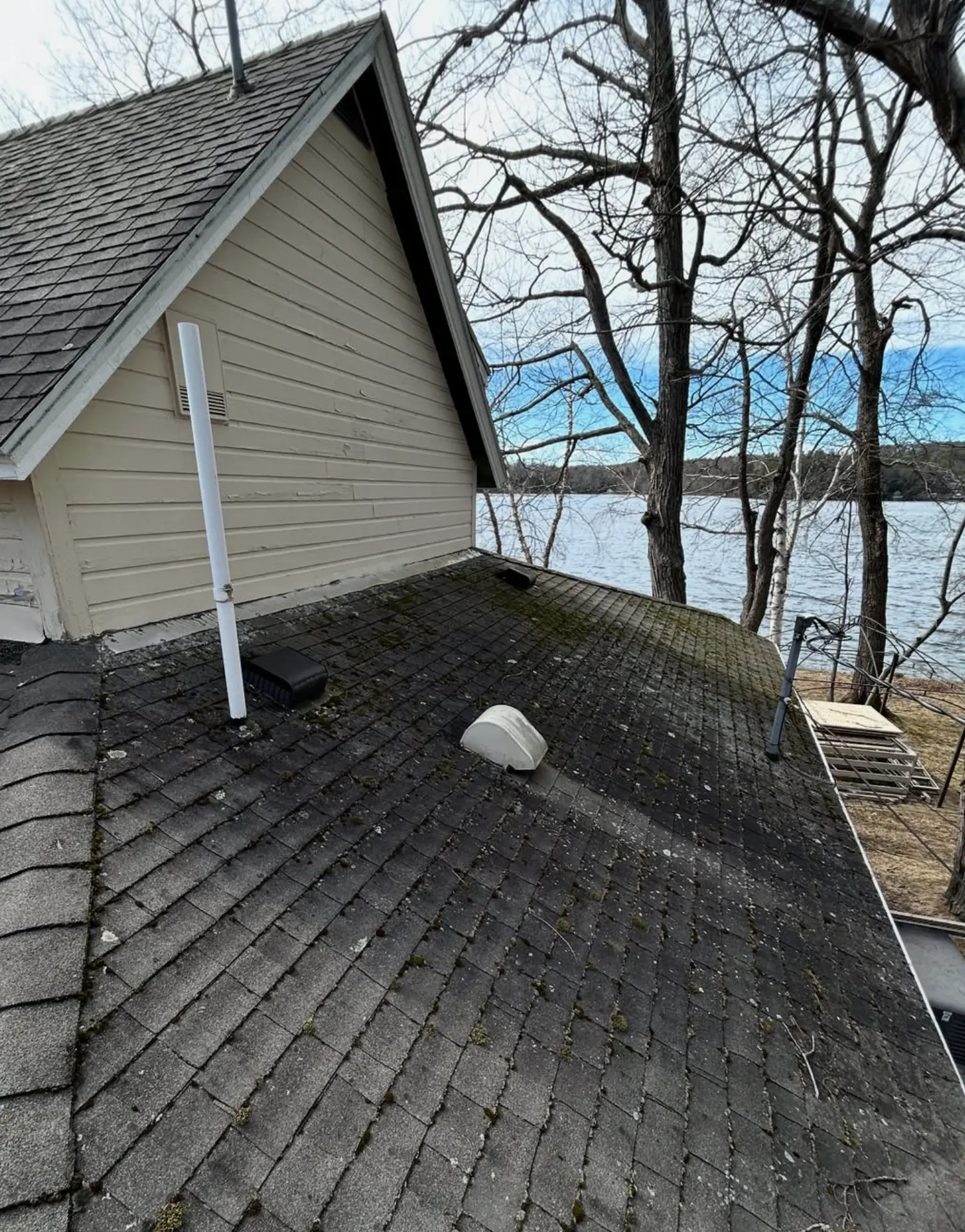
Roofs become a fertile ground for moss, lichen and algae to grow, especially in shaded or damp areas. A biocidal roof wash is applied to kill these organisms at the root and stop future growth.
This step:
- Prevents structural issues from moss getting into the roof surface
- Avoids expensive damage and roof replacements
- Restores the roof’s reflective properties and street appeal
4. Soft Wash or Pressure Clean
The cleaning process is tailored to your roof material:
Soft Wash Roof Clening
For delicate roofs like Colorbond, terracotta tiles, and slate roofs, soft washing uses:
- Low-pressure water
- Eco-friendly detergents
- Soft washing techniques that protect delicate materials
This method avoids water damage while effectively treating organic materials.
High-Pressure Roof Cleaning
For more durable surfaces like concrete roofs or asphalt shingle roofs, high-pressure washing uses a 2,500 psi pressure washer to blast away:
- Organic growth
- Stains
- Dirt built up over long periods
Pressure washing techniques require an experienced team to prevent surface erosion and structural damage.
5. Roof Surface Rinse and Clean-Up
After cleaning, the whole roof is rinsed, and any remaining debris or detergent is washed away. The process also includes:
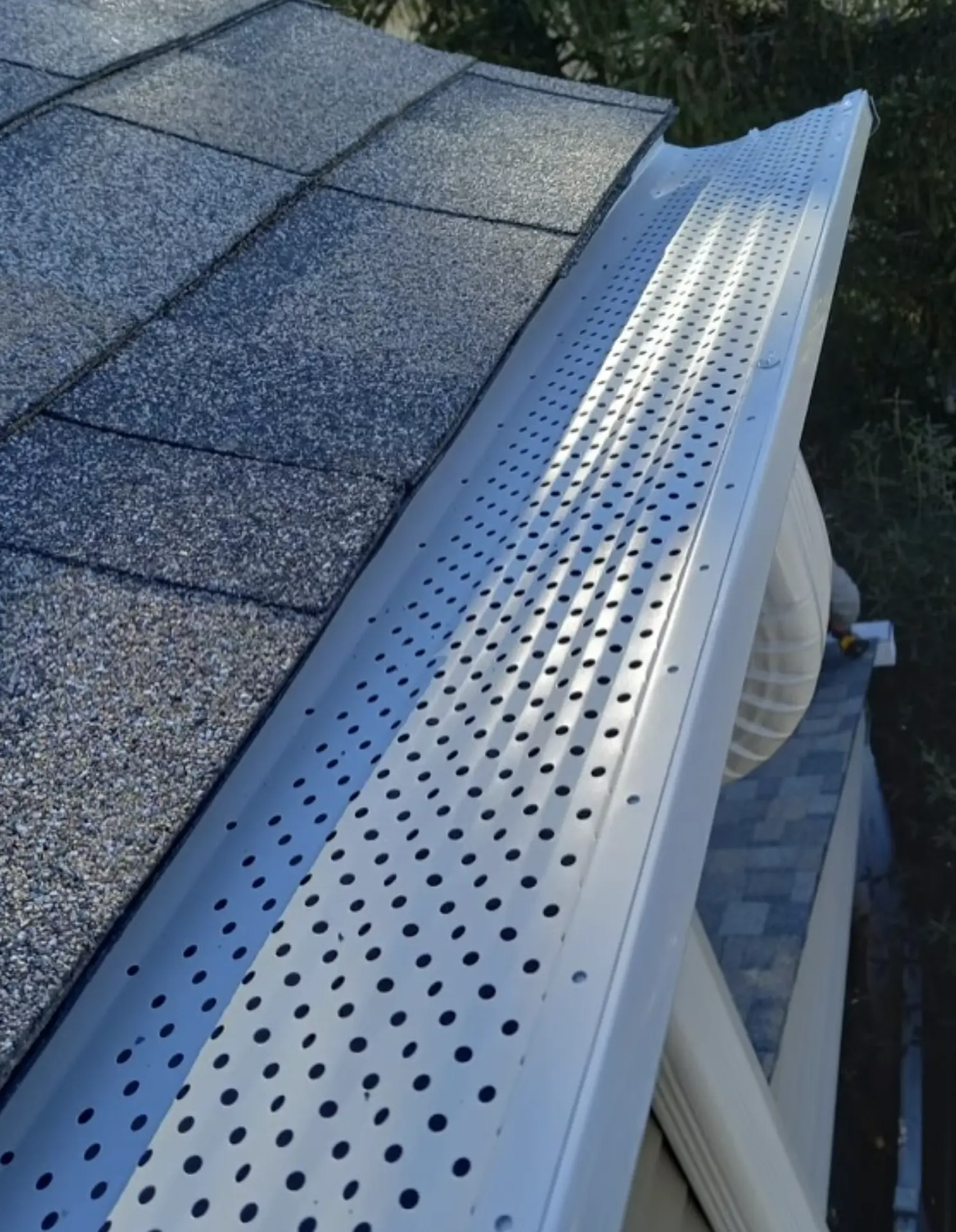
- Cleaning gutters and downpipes
- Rinsing surrounding walkways or patios
- Removing residue from roof sections and ridge capping
This gives a long-lasting finish and protects surrounding areas.
6. Optional Add-Ons
Many roof cleaning packages come with:
- Roof repairs
- Roof restorations
- Terracotta Roof Clean
- Solar panel cleaning
- Prepping the roof for painting starts
These services improve both roof surface durability and your home’s street appeal.
Benefits of Regular Roof Cleaning
Getting Roof Cleaning Experts to clean your roof regularly is a preventative measure that:
- Prevents damage over time from organic growth
- Reduces the need for future repairs or replacement costs
- Fixes the cosmetic issue of a wet roof
- Restores energy efficiency by restoring reflective properties
- Increases street appeal for homeowners
How Often Should You Clean Your Roof?
The rule of thumb: Clean your roof every 1–2 years. But:
- If you live in an area with harsh weather or lots of trees, more frequent roof washing service may be needed.
- Homes with complex roof design may require special care and extra steps
A regular cleaning schedule means proper roof maintenance, no costly repairs, and happy customers with a beautiful and protected roof.
Conclusion
Whether you have asphalt, cedar roof or asbestos cement roof, the approach to roof cleaning should always be done by an experienced roof cleaning team using proper techniques, strict safety measures and advanced pressure cleaning techniques. We want to protect your roof strong, your home dry, and your wallet from the cost of roof replacements.
If you want expert advice, reliable roof cleaning services and long-lasting protection, trust professionals with the experience and equipment to get the job done right.
FAQ
How much does roof cleaning cost?
Roof maintenance cost varies based on roof type, size, pitch and condition. Most homeowners pay between $300–$800, but it can go higher for large or steep roofs.
What type of roof cleaning is best for terracotta tiles?
Soft wash roof cleaning is best for terracotta tiles and other delicate roof tiles, using low-pressure water and detergent to protect the surface while removing grime.
Can pressure washing damage a roof?
Yes, using the wrong pressure washer or technique can cause structural damage or water damage. Only trained professionals should use high-pressure water.
Is it safe to clean my roof myself?
DIY cleaning poses safety risks and may cause damage if done incorrectly. Professional cleaners use safety harnesses, adjustable nozzles and follow safety precautions.
What causes the black streaks or green patches on my roof?
This is due to mould growth, algae or bacterial growth, often caused by organic matter and moisture. Regular cleaning prevents excessive mould growth and keeps your roof looking new.